Two Books, One Week: Exploring Entrepreneurship, Education and AI

This week brought the publication of two books that I co-edited, both released within the same week. Although I have previously written a number of book chapters, probably around a dozen depending on where the classification line is drawn, I had never before been involved in editing or producing a full book. Then, within the space of a couple of months, the opportunity arose to co-edit not one but two books.

The first, Cases on Entrepreneurship and Artificial Intelligence, was co-edited with my colleague Scott Andrews from Worcester Business School. The book explores the rapidly developing relationship between entrepreneurship and AI through a series of international case studies. It examines both the opportunities and challenges that AI creates for entrepreneurs and organisations, whilst also engaging with the ethical and governance questions that increasingly surround the use of AI in business and education. One of the strengths of the book is its practical orientation, with the cases designed to support teaching, discussion, and critical reflection around the use of AI within entrepreneurial contexts.

The second book, Applied Practices and Emerging Perspectives Towards Entrepreneurship Education, was co-edited with Robert James Crammond and Trudie Murray. While geographically further away than Worcester, they are still relatively close by compared with many international collaborations. This book focuses on contemporary developments within entrepreneurship education, bringing together contributions that explore teaching philosophies, educational practice, innovation in delivery, and emerging challenges shaping the field. The chapters examine topics ranging from AI and entrepreneurship education to coaching, mentoring, entrepreneurial mindsets, and future research agendas. What emerged particularly strongly through the editing process was the diversity of approaches and perspectives that currently exist within entrepreneurship education internationally.

Working on the two projects simultaneously was also an enjoyable experience because of the opportunity to collaborate with colleagues from different institutions and backgrounds, all bringing different perspectives and expertise to the projects. One of the most interesting aspects of editing Cases on Entrepreneurship and Artificial Intelligence was seeing the diverse ways AI is already being used in entrepreneurial practice, ranging from opportunity recognition and business development through to decision-making and education. Bringing these different examples together created a valuable opportunity to share emerging practice and explore how quickly the relationship between entrepreneurship and AI is evolving.

Similarly, Applied Practices and Emerging Perspectives Towards Entrepreneurship Education highlighted the wide range of innovative work currently taking place within entrepreneurship education internationally. Across both books, it was rewarding to help bring together contributions that not only reflect current developments in the field, but which will hopefully also support further discussion, experimentation, and future collaboration.

Discovering Hidden Gems in Jinan and Nanchang

Another semester meant another visit to academic partners in China and a return to cities that have become increasingly familiar over the years. This trip was more tightly scheduled than some previous visits, leaving little opportunity to catch up with research colleagues outside of our partner universities. Even so, I made it a personal mission to experience a few new things in Jinan and Nanchang, alongside revisiting some familiar favourites.

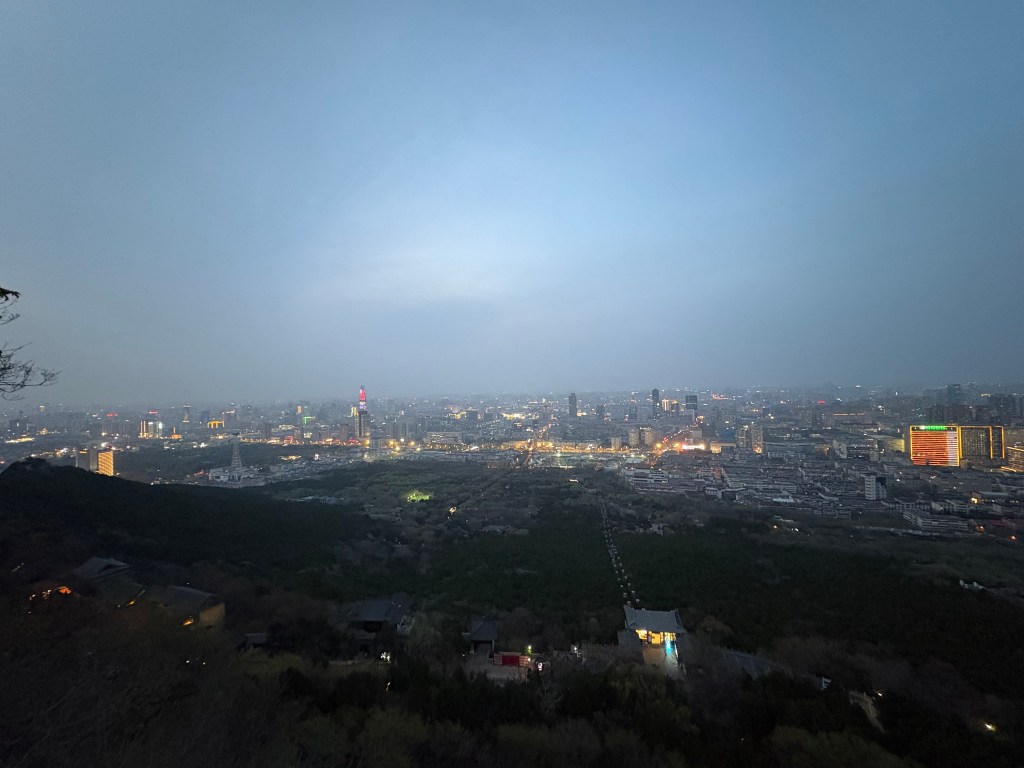
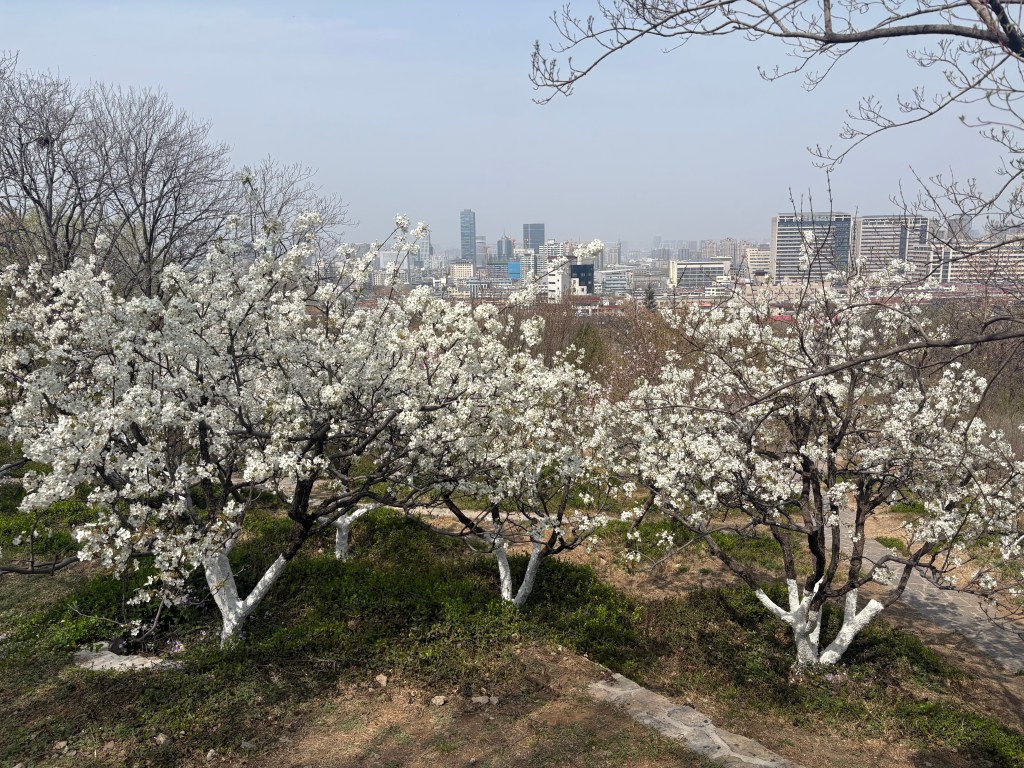
The timing of the trip to Jinan could not have been much better, as the blossoms were just beginning to emerge, making walks around Daming Lake and Thousand Buddha Mountain particularly enjoyable. On many previous visits to Jinan, usually after a few glasses of Bijou, colleagues had suggested visiting Thousand Buddha Mountain at night to enjoy the city views. This time, with a free evening available, I decided to finally do it, notably without the assistance of any Bijou. The park becomes free to enter after 6pm, and arriving just before then, a kind member of staff gestured for me to wait a few minutes until admission became free. I soon found myself among a surprisingly large crowd who clearly had the same idea, ranging from young couples and fitness enthusiasts to people simply out enjoying the evening air. Walking up alone, I managed to reach the summit ahead of much of the crowd and was rewarded with views of sunset and dusk settling over Jinan. It was a cloudy evening, but still a memorable experience and another small item ticked off the Jinan list.
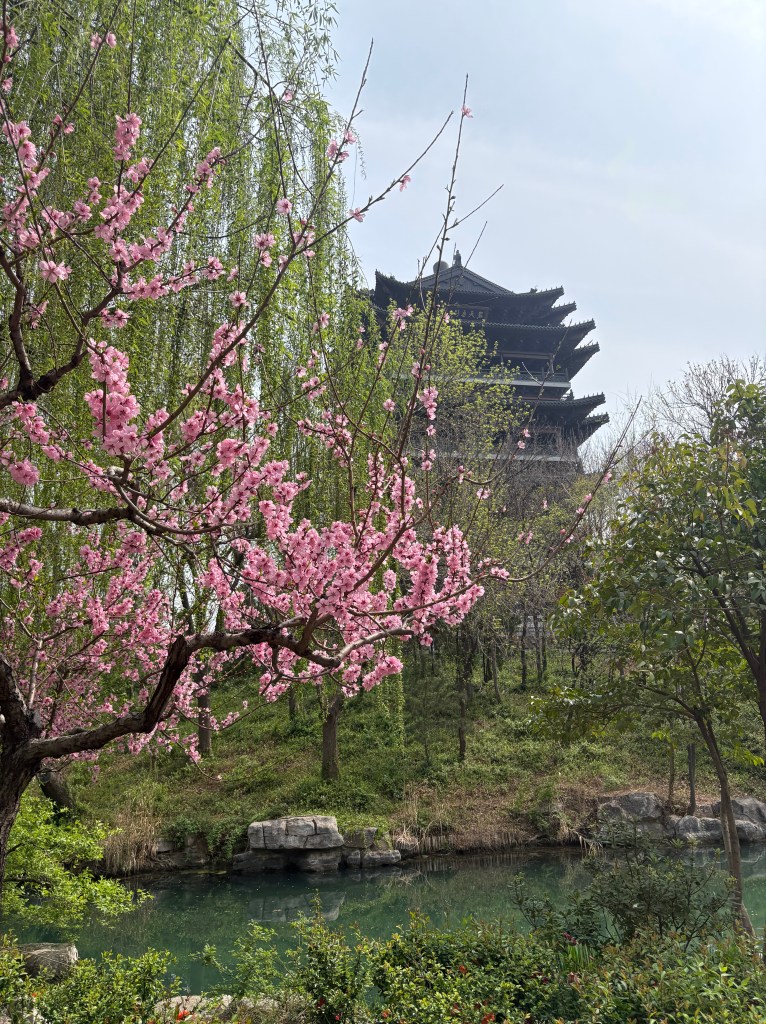
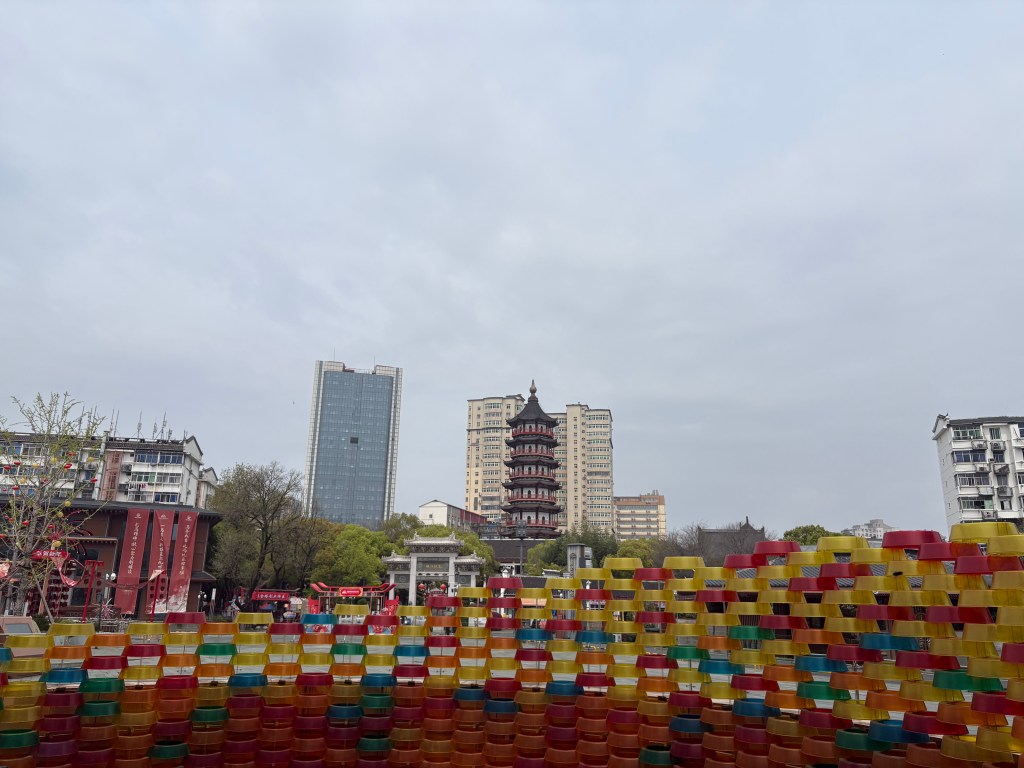
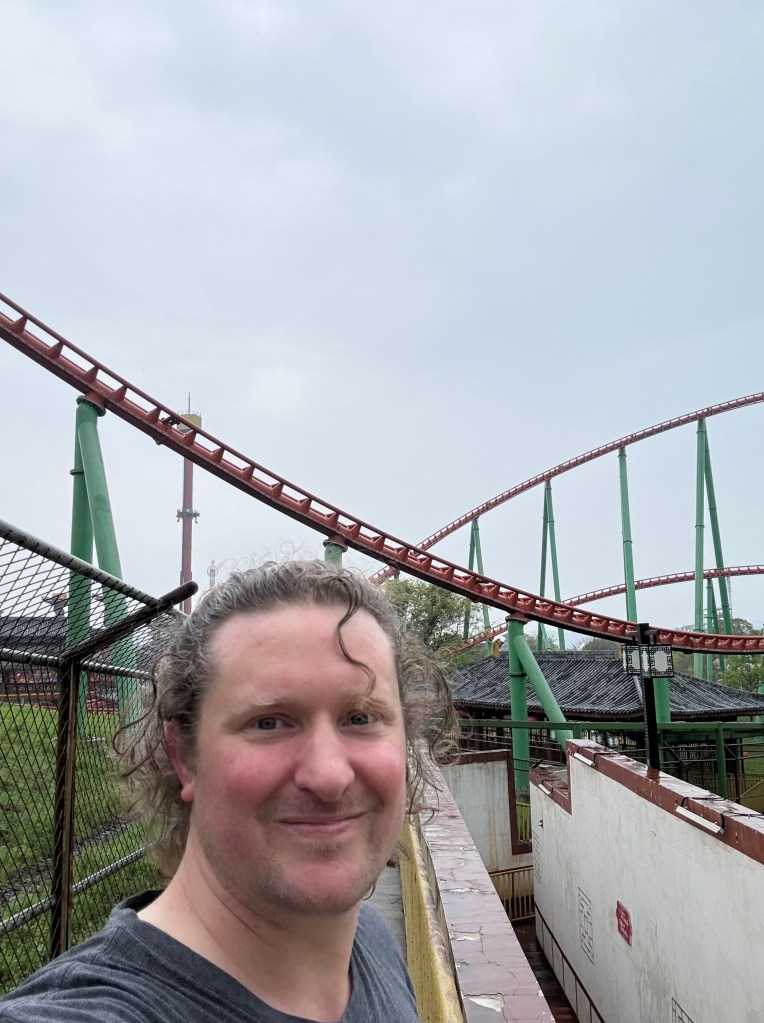
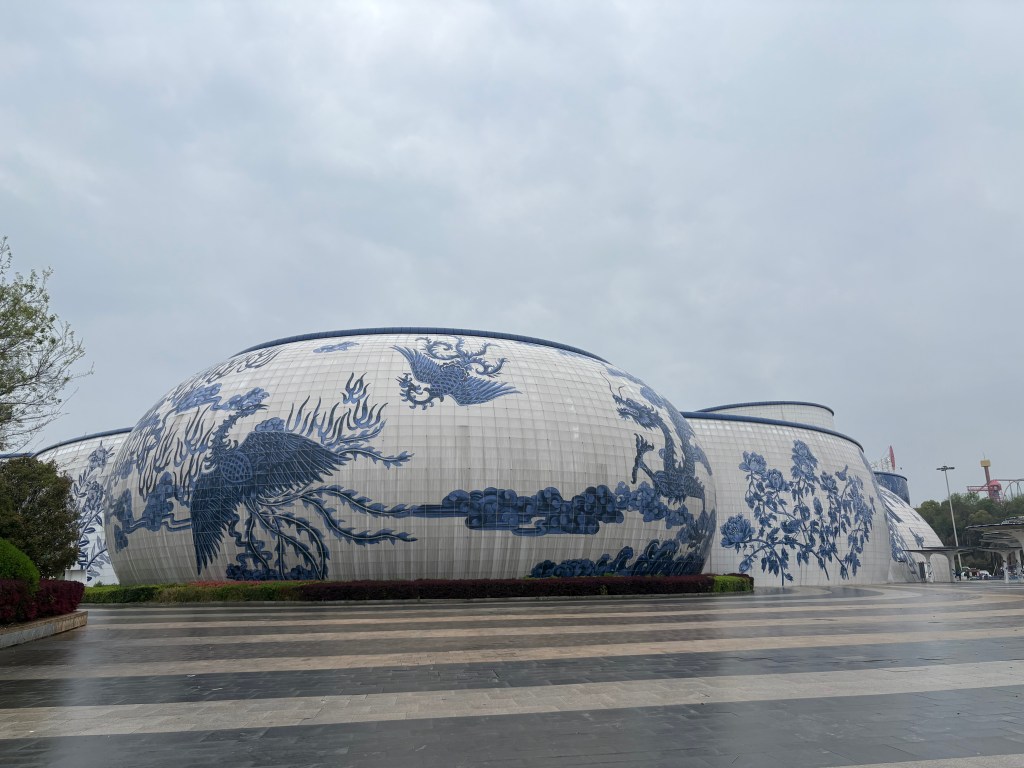
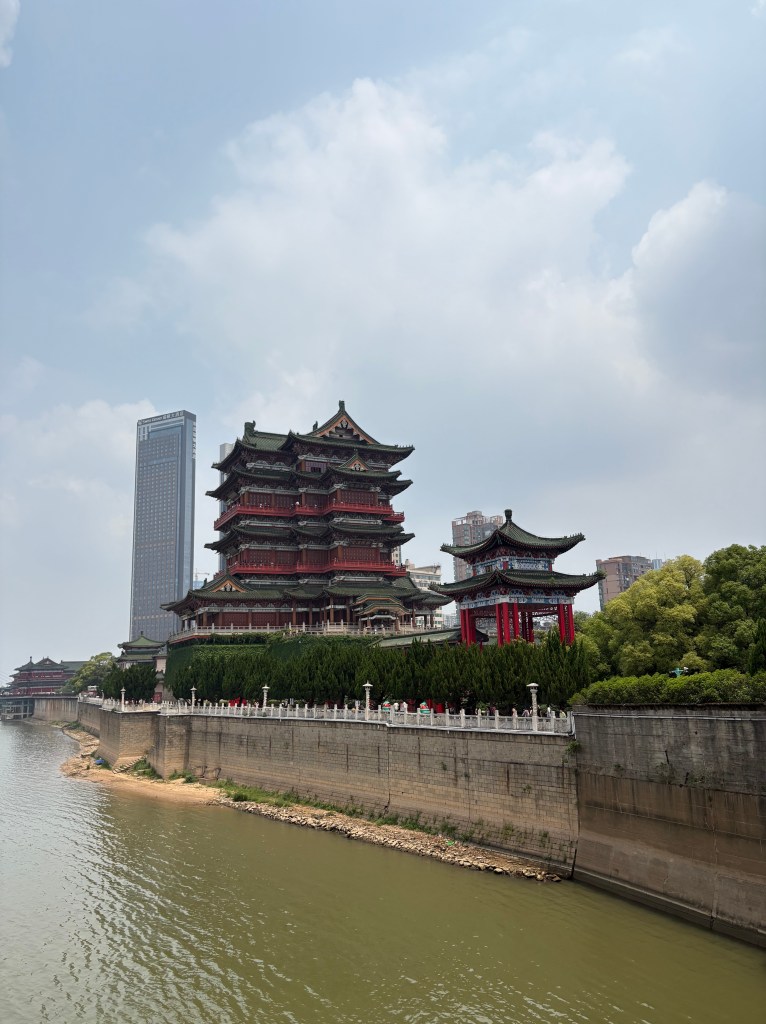
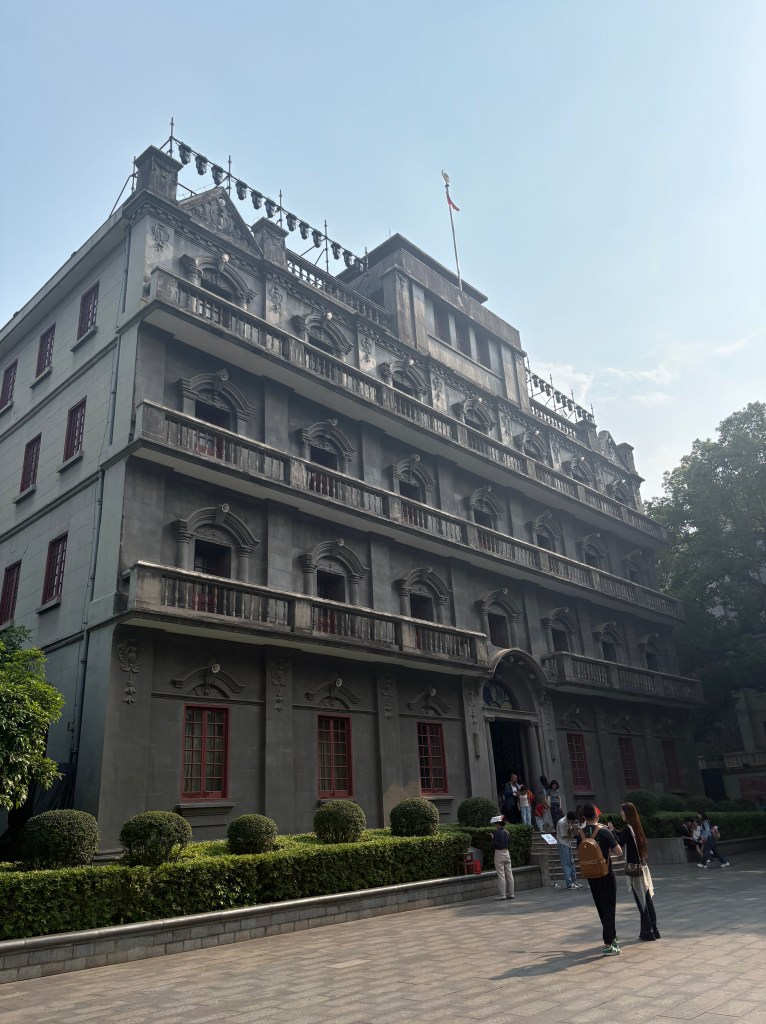
Next came Nanchang, the “Hero City”. Alongside revisiting favourites such as the Nanchang Uprising Memorial Hall, I also managed to explore a couple of places I had not visited before. This time we stayed on the east bank in the Donghu District, which made it easy to visit Shengjin Tower. While interesting to see, it felt somewhat similar to many other pagodas, and the surrounding tourist district, filled with tea shops and restaurants, appeared more commercially constructed than the more organic atmosphere around the Pavilion of Prince Teng. Continuing the theme of modern attractions, another new experience in Nanchang was a visit to Sunac Land (formerly Wanda Park). Marketed as home to some of China’s largest roller coasters and themed zones celebrating local culture, it seemed worth investigating. This was my first visit to a Chinese theme park and it certainly made for an interesting experience. The park operates long hours, seven days a week, but on the drizzly weekday evening I visited it was almost completely empty. Forget short queues, there were moments when it genuinely felt as though there were more staff than visitors. I am sure weekends and better weather bring larger crowds, but at the time it felt as though the park was open simply because that is what theme parks are expected to do, rather than because it was financially worthwhile. Compared with theme parks in Europe and the United States, many of the rides felt noticeably rougher and more unpredictable, although that somehow added to the overall experience. Nearby sits a large porcelain-shaped shopping centre, reflecting Nanchang’s association with porcelain production. Much like the theme park, large sections of it felt unusually quiet, with many retail units repurposed into activity spaces. Together, these attractions offered an interesting glimpse into the presentation of modern domestic tourism and leisure culture in China. While neither was the most spectacular attraction I have visited, both were certainly worthwhile ways to spend a few free hours, particularly given the relatively low cost.

Leading the Entrepreneurship Education ScholarGPS Rankings

Another round of research metrics, scores and ranking came out with the latest release of the ScholarGPS global rankings. Although relatively new, these rankings are increasingly gaining traction, with universities and mainstream media beginning to reference them more widely.

In the 2025 ScholarGPS rankings, I was placed as the top-ranked researcher globally in entrepreneurship education, and 40th overall in entrepreneurship over the preceding five years. Being ranked first in entrepreneurship education my original area of research and passion, is an achievement I am particularly proud of.

In recent years my research has tended to move into entrepreneurship, knowledge management and wider business fields as I have taken on a mentoring role, leading business and management research at the University of Worcester. This shift may make it harder to remain at the very top of the rankings in the years ahead. Nevertheless, it is deeply rewarding to know that I reached the summit of my original research passion, something I never anticipated when I first entered the field of entrepreneurship education around 2014.

ScholarGPS 2025 Rankings Entrepreneurship Education

Dublin Keynote

October was a busy month for travel, with DBA teaching in Bielefeld and a trip to Istanbul, but a real highlight was the opportunity to deliver a keynote on entrepreneurship education and AI at the Entrepreneurship Education Share and Learn Symposium hosted by Dublin Technological University. AI in entrepreneurship education has developed rapidly in recent years, and it has been interesting to watch the field progress since my early work in the area, when I published the first paper on AI and entrepreneurship education in an established journal. Editing a forthcoming case collection book on AI and entrepreneurship has also provided valuable insights into how AI is being used in practice and what this means for teaching, which I was delighted to share.

My keynote explored how artificial intelligence is reshaping both entrepreneurship and entrepreneurship education. I discussed why students now need to understand AI’s influence on opportunity recognition, innovation processes, and decision-making, as well as the ethical and governance challenges it presents. The session examined the core competencies entrepreneurship students now require, including data literacy, digital fluency, prompt engineering, and the ability to critically evaluate AI-generated outputs.

I also highlighted how the subjective and non-linear nature of AI reinforces the value of constructivist and reflective approaches to teaching, helping learners to question, interpret, and apply AI responsibly. Finally, I explored why entrepreneurship educators are uniquely positioned to embed AI into the curriculum and prepare students for an entrepreneurial landscape increasingly shaped by AI-driven tools and capabilities.

Unfortunately, I was too busy during the event to take any photos, but I did manage to capture a few during my short time exploring Dublin. And, amusingly, the Christmas displays were already up, despite it being the end of October.

Hangzhou and Jinhua

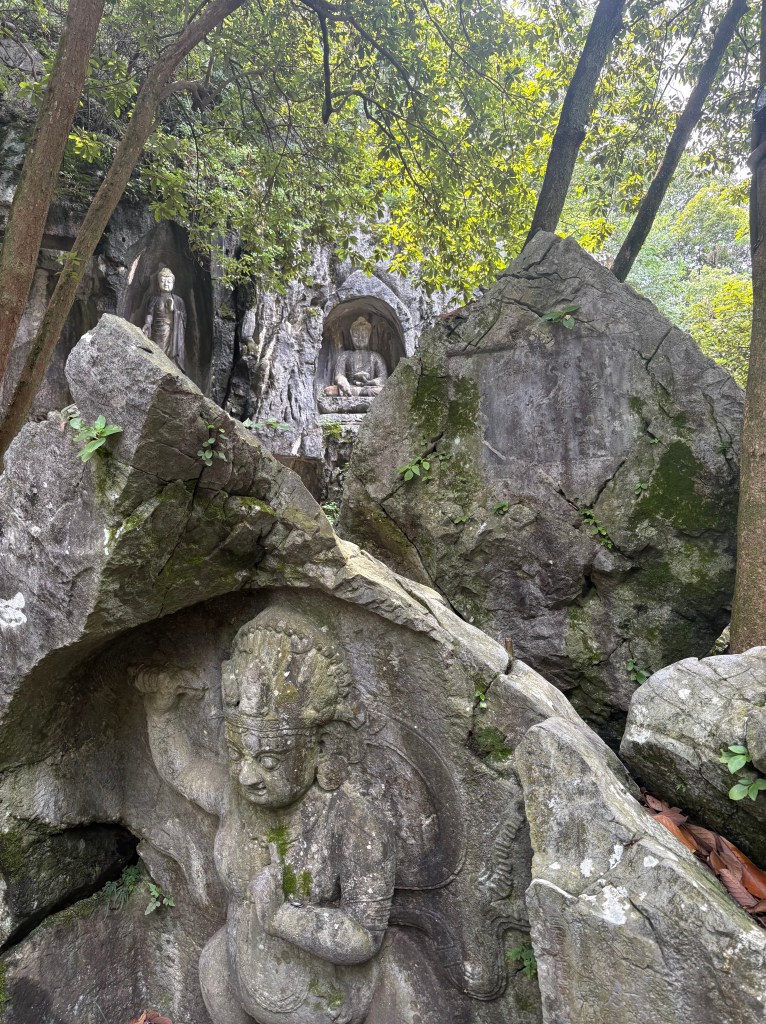
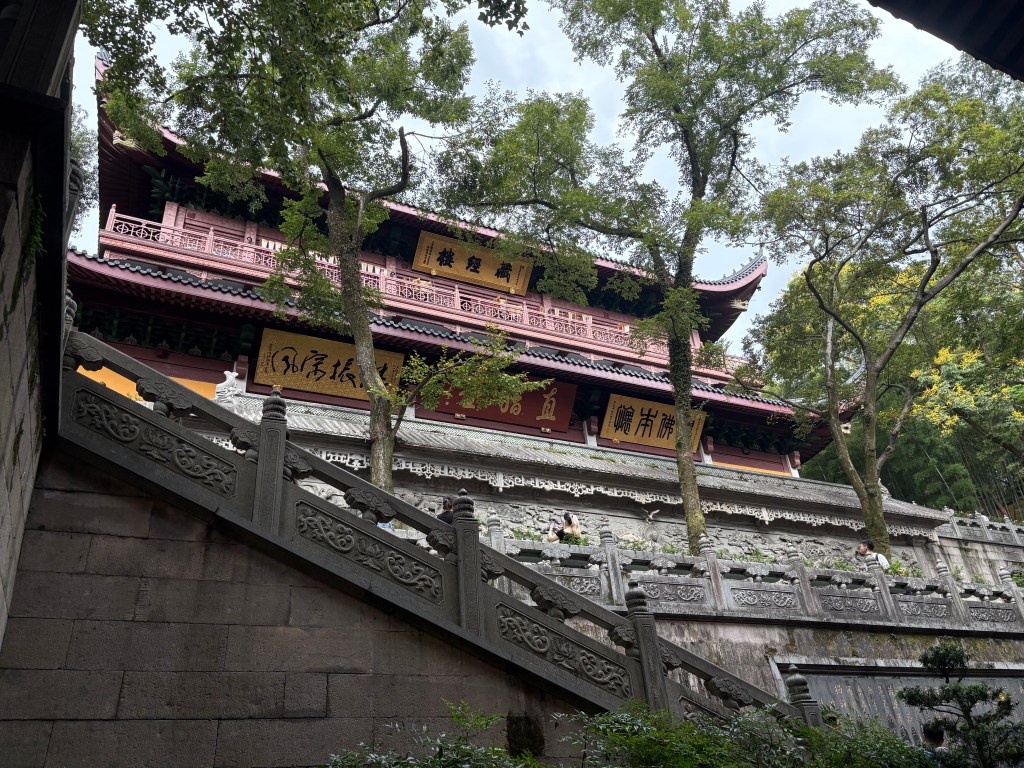
The second part of our trip took us to Zhejiang, with visits to both Hangzhou and Jinhua to see the Zhejiang Normal University campus. Hangzhou was a city I hadn’t visited before, so it was great to finally have the chance to explore. I walked around West Lake, visited Xiangji Temple, and wandered through the historic streets around Hefang. One of the highlights of the weekend was trekking up Lingyin Mountain and exploring the temple complex. I was caught in a torrential rainstorm while up in the mountains, but it didn’t dampen the experience, the afternoon still felt like a peaceful escape just outside the city. Hangzhou offers a wonderful blend of rich culture and tradition, modern infrastructure, and beautiful natural scenery right on its doorstep.

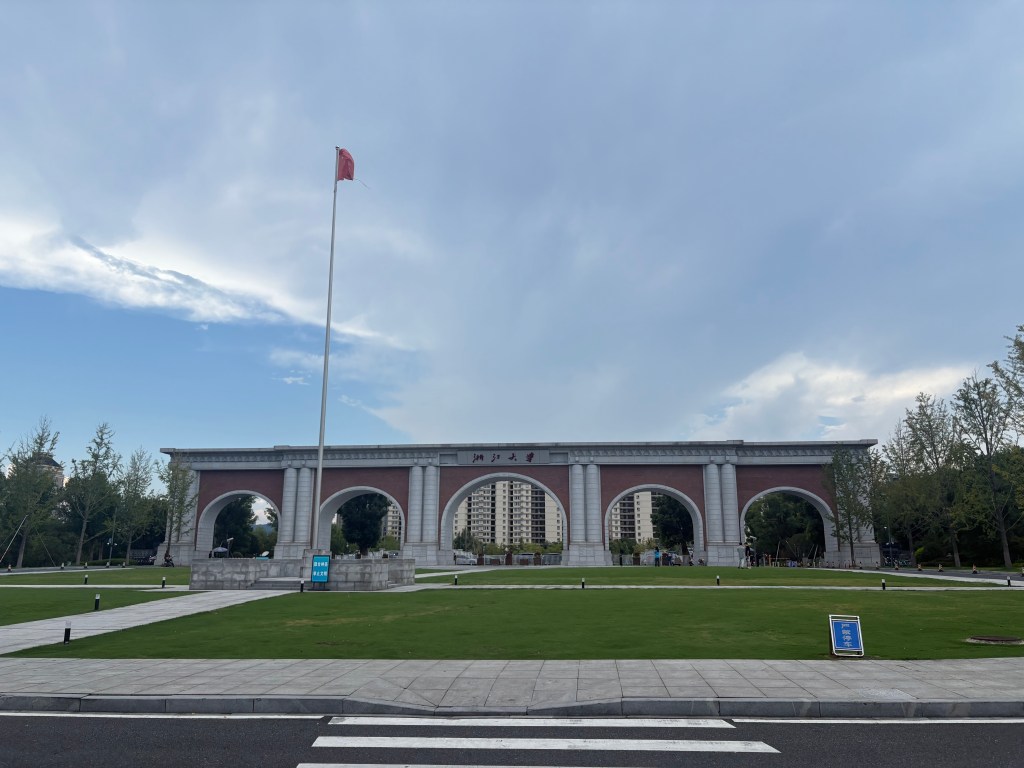
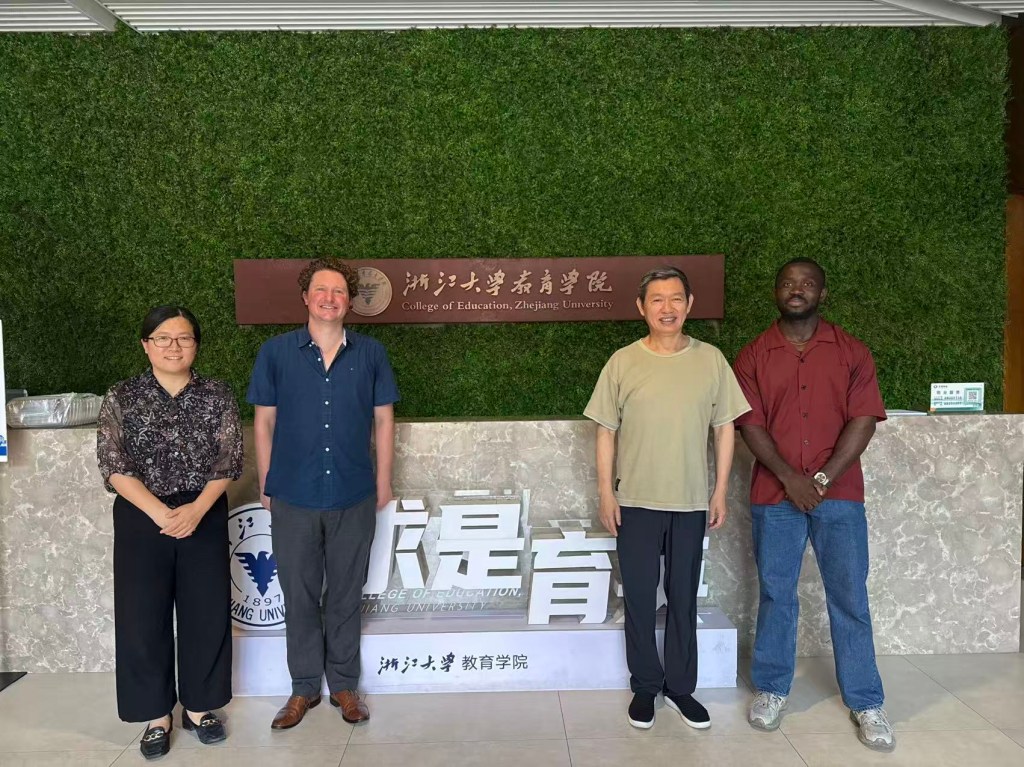
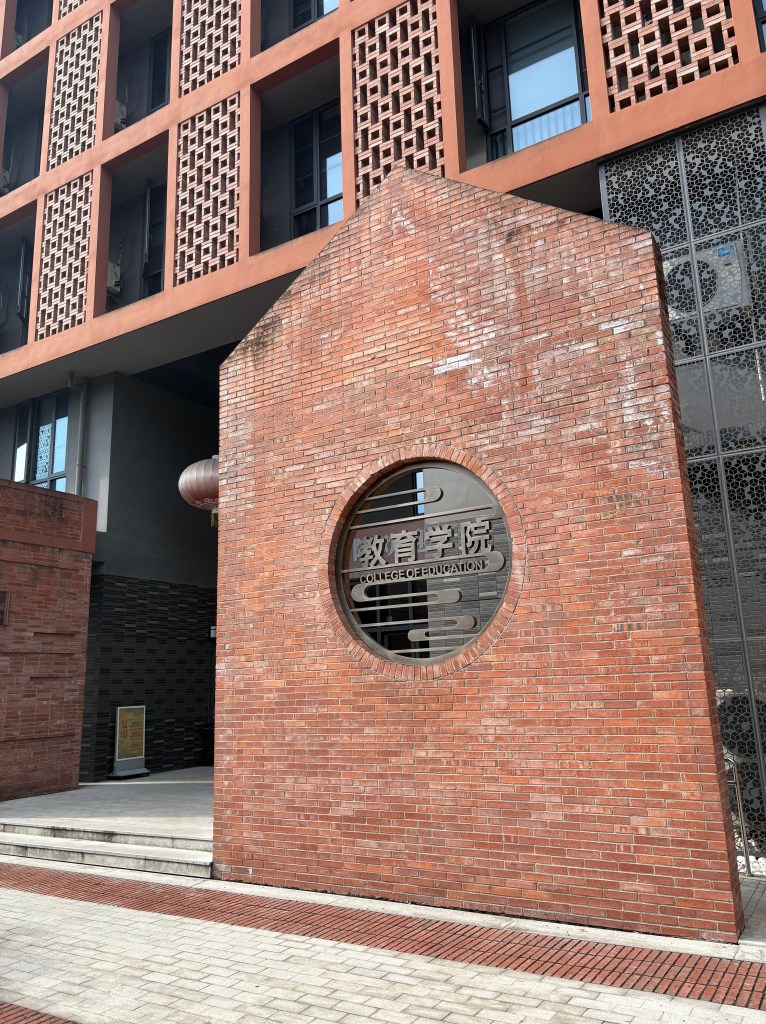
Being in Hangzhou gave me the chance to meet colleagues at Zhejiang University, which hosts the journal Entrepreneurship Education, where I serve on the Editorial Board. I also previously contributed to a book on Comparative Entrepreneurship Education led by colleagues there, but until now we had never met in person. It was therefore a real pleasure to finally visit Zhejiang University and connect with the team face-to-face.

After spending some time exploring Hangzhou, I attended meetings at Zhejiang Normal University’s Hangzhou campus, where we also met with parents of students on our dual-degree programme. From there, we travelled to the main Zhejiang Normal University campus in Jinhua. However, we soon found ourselves back in Hangzhou for an additional induction with a new group of students, which meant a fair bit of zipping back and forth between Jinhua and Hangzhou.

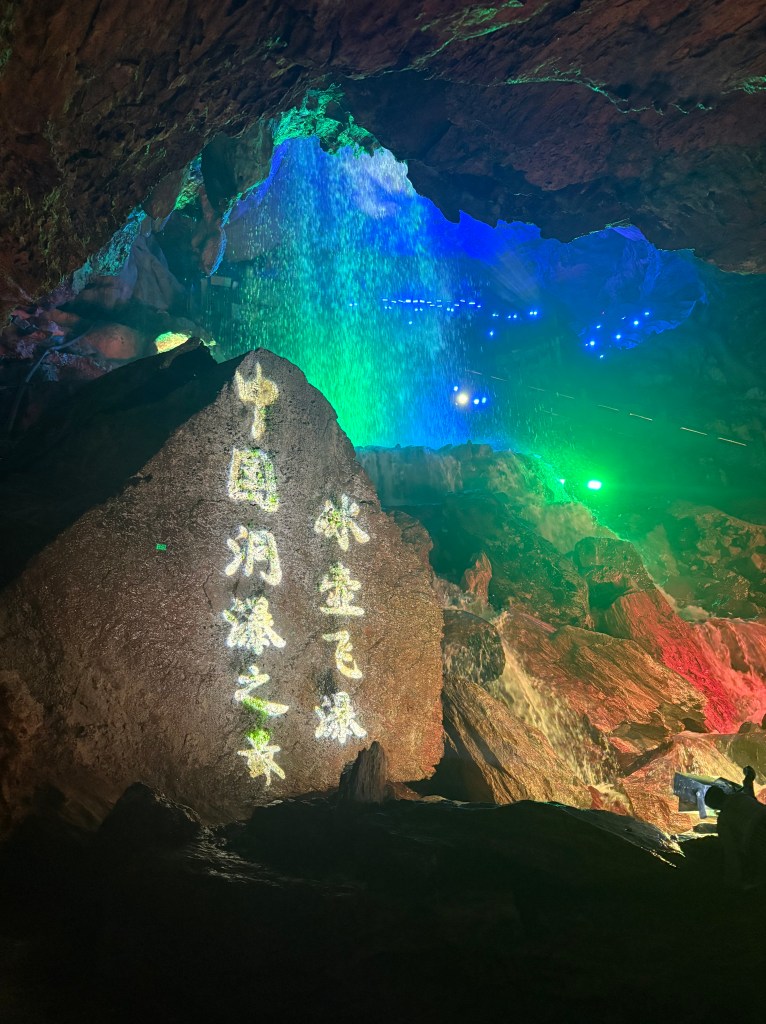
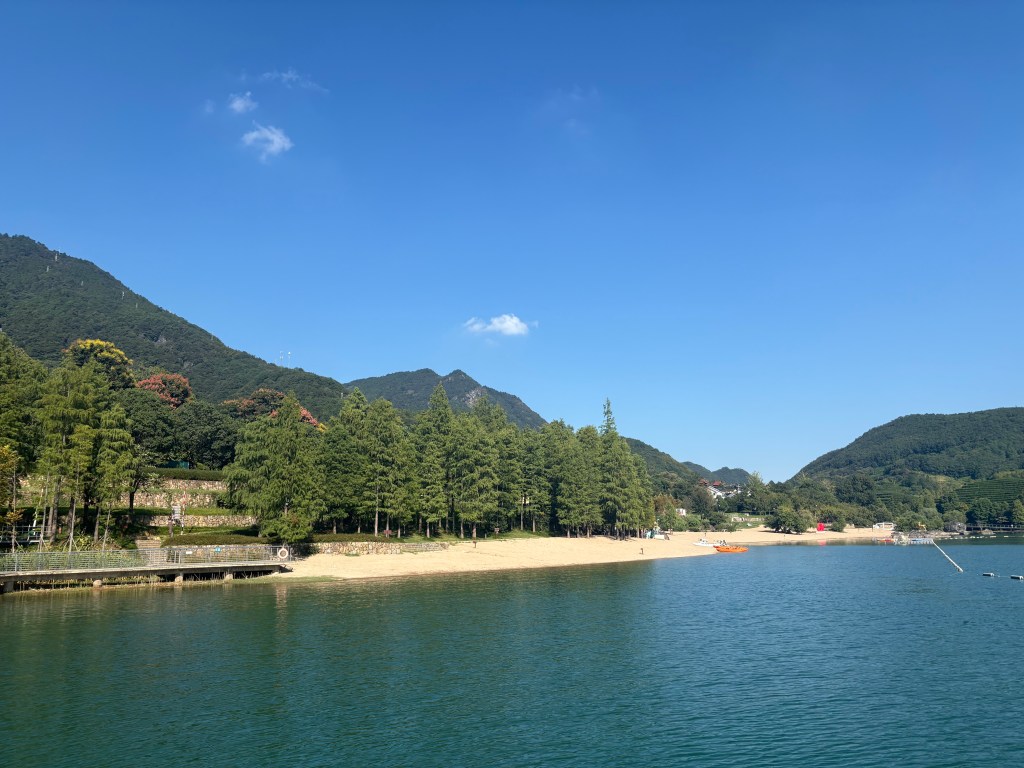
Jinhua is a great city to explore, affordable, easy to navigate, and, like Hangzhou, offering quick access to the surrounding mountains. This gave me the chance to visit the Shuanglong Scenic Area, with its caves, temples, and lakes. I went on a quiet day, which made the visit peaceful and serene; it felt like a completely different side of China compared to the bustling cities we’d been in the week before.

One of the main highlights was the Double-Dragon Cave (Shuanglong Cave), which you enter by lying flat in a small boat to pass through a very low opening, a slightly claustrophobic squeeze before the cavern opens up to reveal beautiful waterfalls inside. Even so, the best part may have been simply walking through the natural landscape around the Lunv Lake, tea plantations, and temples, breathing in the mountain air. It was a memorable and refreshing contrast to the busier parts of the trip. In the evenings, I was able to visit Guzi City (Guzicheng) and Wanfo Pagoda, the historic old town area of Jinhua set along the riverside. This made for a nice break between lesson observations and meetings with our registered lecturers at Zhejiang Normal University.

After leaving Jinhua, we headed to Nanchang for the final leg of our trip to visit Nanchang Hangkong University.

Shanghai and Jinan  

September brought a bonus trip to China. With several programme changes and negotiations underway across our China partnerships, I had the opportunity to visit our existing MoE dual-degree partners, explore potential new collaborations, and meet with research colleagues. Given the current restrictions and freezes on conference budgets, I’m grateful that these visits still allow me to connect meaningfully with colleagues and maintain research links.

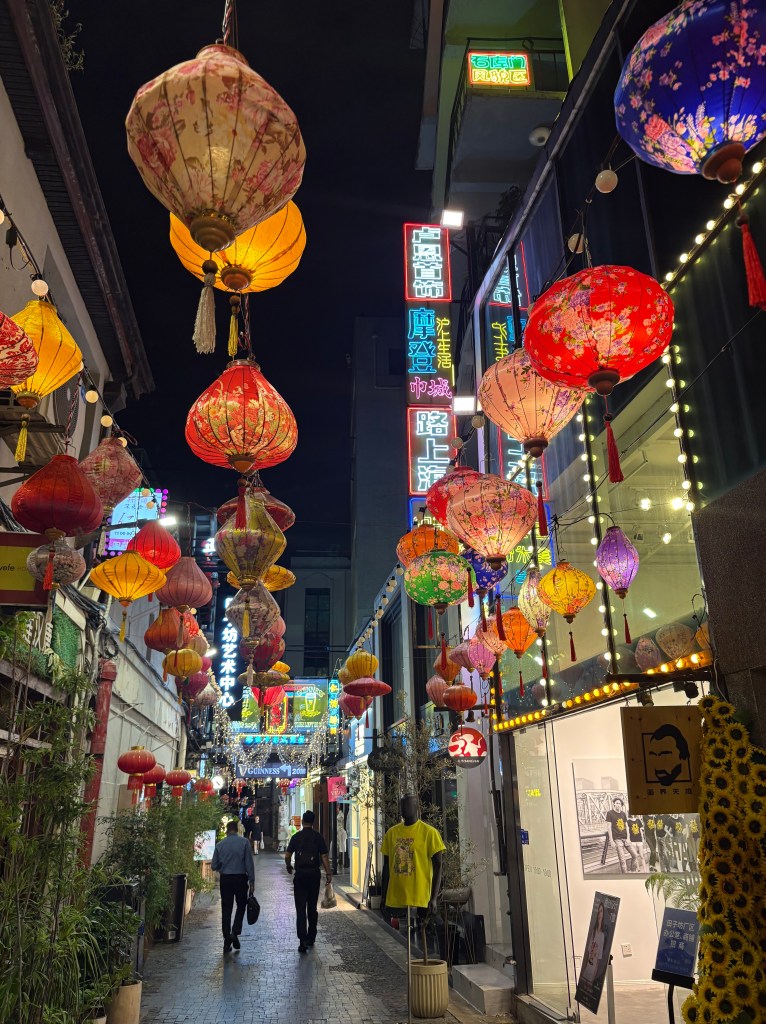
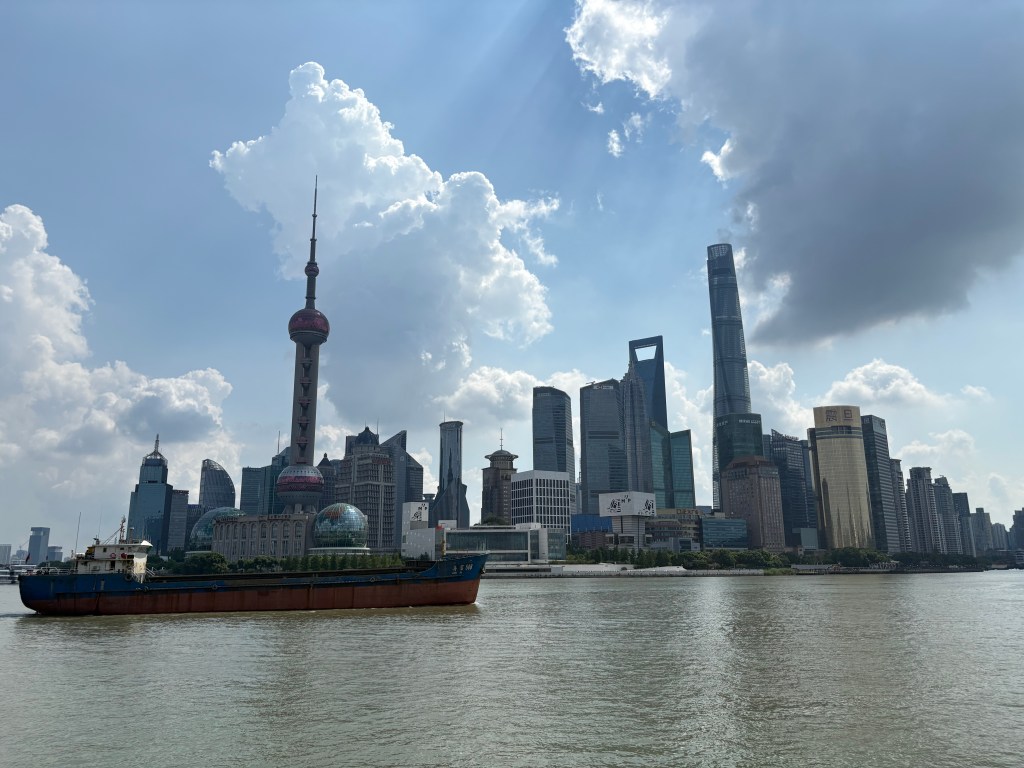
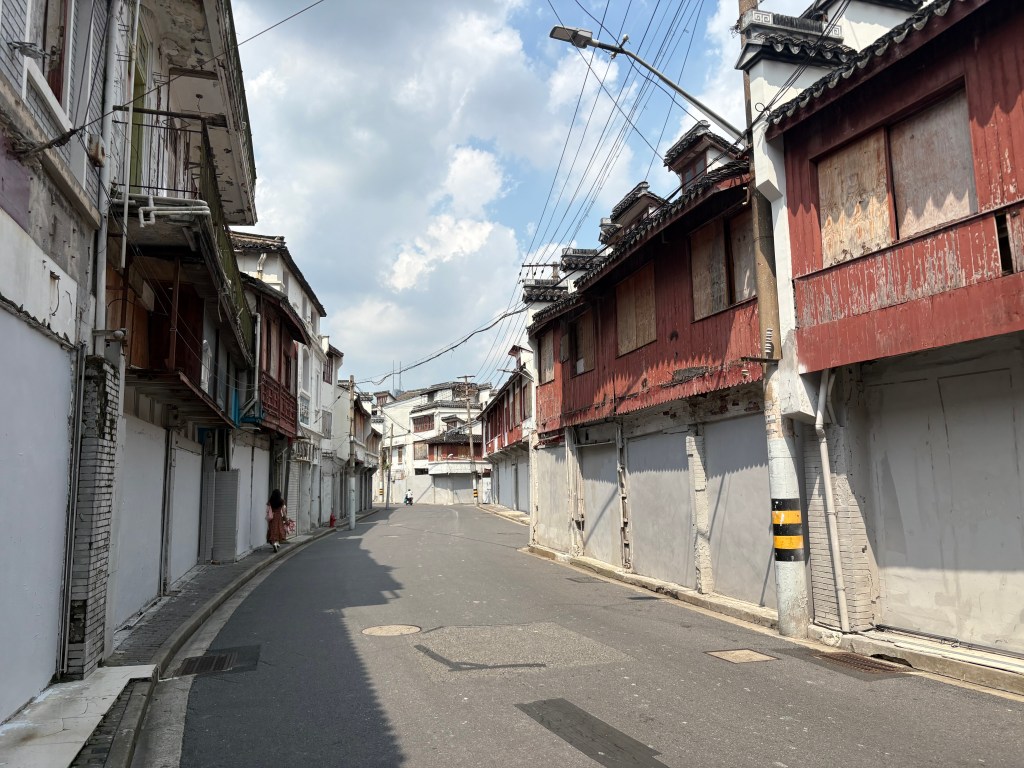
Although the trip to China largely mirrored my previous visit, the order was reversed, meaning we began in the south. This meant flying into and starting in Shanghai rather than Beijing. As a result, I wasn’t able to revisit my usual Beijing haunts. However, despite passing through Shanghai many times over the past few years, I haven’t actually spent any real time there since leaving China in 2017. Having a few nights in Shanghai was therefore very welcome, giving me the chance to explore the city again. My three nights in Shanghai were reduced to two after a missed connection in Frankfurt, but it was still enough time to visit the French Quarter for a drink, walk along The Bund, and explore Shanghai Old City. I was surprised to find much of the Old City boarded up for large-scale redevelopment, so it didn’t have the buzz I was expecting, though the City God Temple remains, alongside some of the newer developments. After my bit of sightseeing, I headed to East China Normal University for meetings.

Next it was off to Jinan and the Shandong University of Science and Technology—the partner I know best and have spent the most time with. Being back meant I could visit my ‘Beer Man’, who, amazingly, still remembers me and my usual order. While there, we attended the formal opening ceremony and met parents. The ceremony required a white shirt, which led to a quick dash to the market, as I generally avoid packing white shirts—especially for month-long trips. Because I know Jinan so well, I was able to make the most of my evenings, wandering around the springs, Daming Lake, and Thousand Buddha Mountain.

After Jinan we headed to Zhejiang to visit Hangzhou and Jinhua.

Top Scholar – ScholarGPS Rankings

ScholarGPS, a relatively new scholarly analytics and independent database platform, announced their new rankings, which included me as a ‘Top Scholar’ in the field of business and management. They define a top scholar as someone whose scholarly achievements place them in the top 0.5% of all scholars globally. More specifically, they have placed me as the 45th leading scholar in the discipline of entrepreneurship in the previous five years. The ScholarGPS rankings are based on an algorithm that examines the productivity, impact, and quality of work by scholars and institutions. Of course, there are questions about the value of such rankings, whether quantitative metrics alone can assess quality and impact, and whether publishing in a certain outlet reflects high standards. Plus concerns exist about the metricisation of academia and research, and the side affects and potential negative implications that this can bring.
As the ScholarGPS Rankings are still in their infancy, it is unclear how much stature and reputation they will gain in academia. They say that they ‘are quantitative and rigorous, enabled by innovative, accurate, and thorough ScholarGPS algorithms that are used to factually assess and organize scholarly information’, yet legitimacy takes years to create and value, and credibility is in the minute details. However, it is reassuring to know that my research is likely on a positive track. 

Shandong, Nanjing, and Nanchang

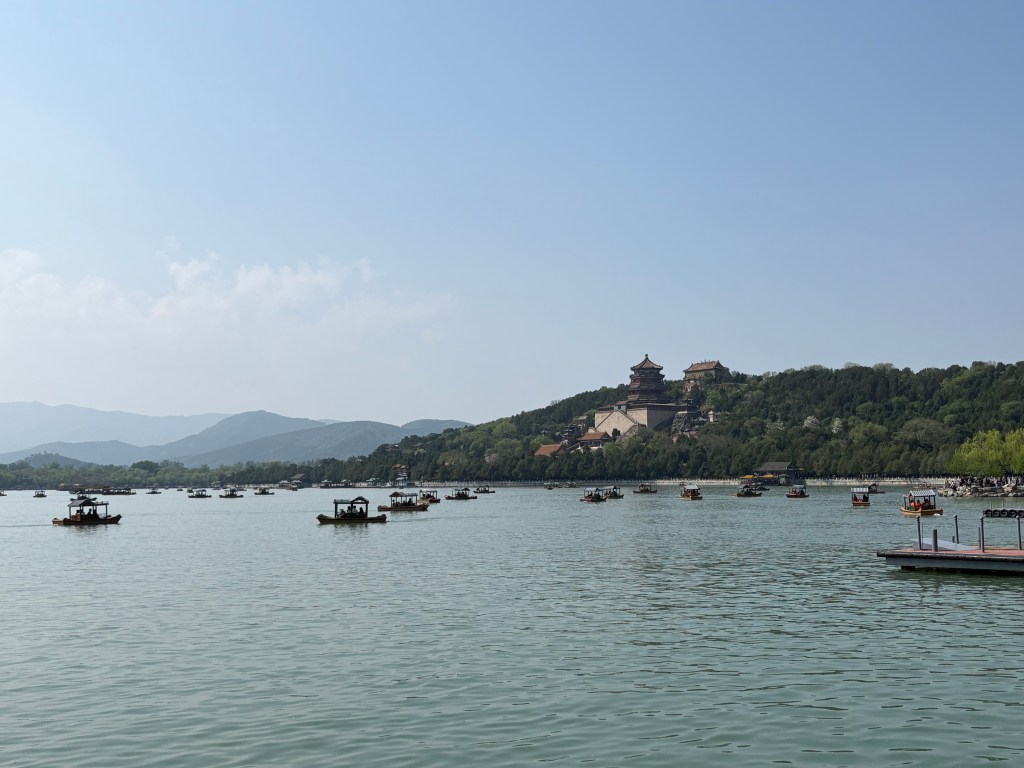
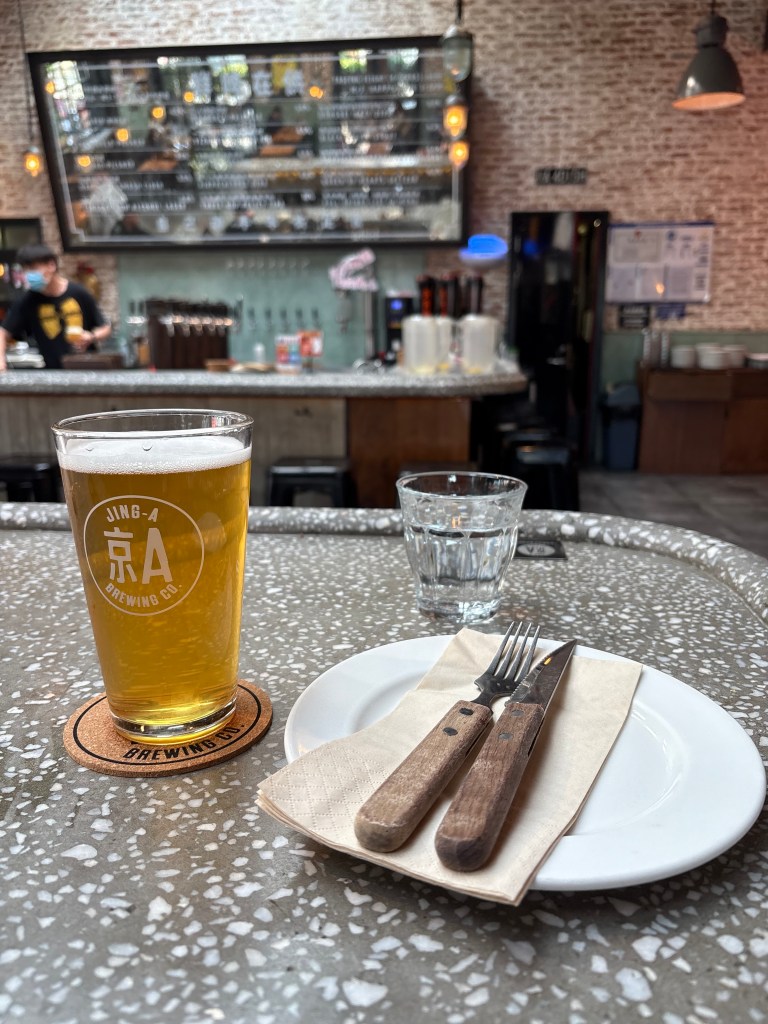
Another year, another visit to China. My excursions to China have become far less regular than they were prior to Covid, moving away from near monthly trips. This makes each journey more intriguing and provides a time to reflect more on each trip. This trip included visits to Shandong University of Science & Technology and Nanchang Hangkong University, but first I spent some time in some of my favourite haunts in Beijing. On the afternoon of my arrival, I went to the Old and New Summer Palaces, as well as Houhai Lake. During the walk, I stopped by Jing-A to reminisce about Friday nights in the past, as well as the new Slow Boat in Liangmaqiao, which did not exist when I lived there. 

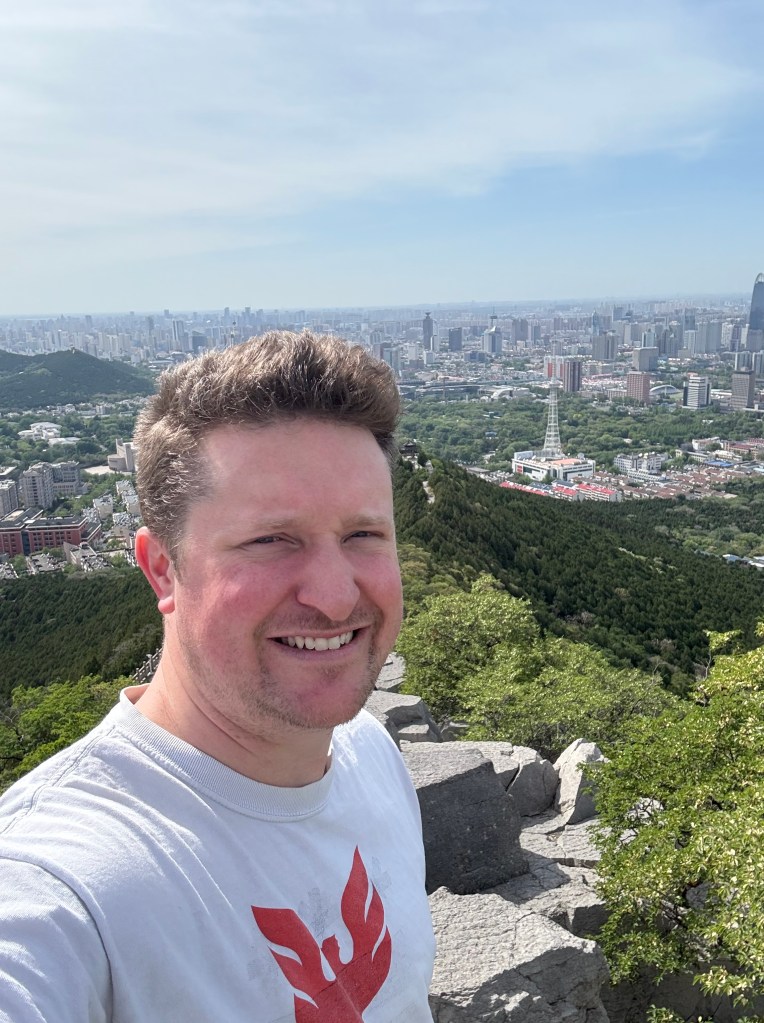
Following my time in Beijing, I travelled to Jinan to spend five days at Shandong University of Science & Technology. I’d been to Jinan numerous times before, but I tried to make time for activities I had done less often. This includes a full loop around Daming Lake and a walk to the summit of Thousand Buddha Mountain in Qianfoshan National Park. When I reached the top of the mountain, I took the luge down through the park. After a few meetings and sessions, it was offered to Nanchang via Nanjing.

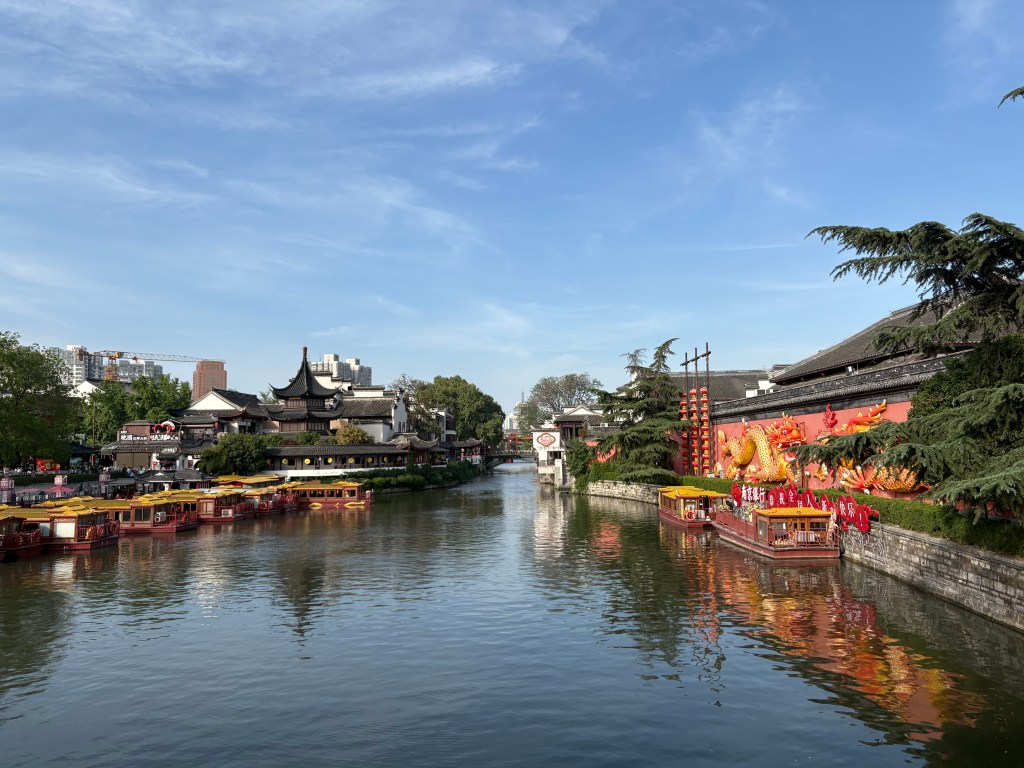
The one-night stop in Nanjing was carefully arranged to not only break up the route but also to allow me to meet up with my friend and colleague, Jun Cui. This allowed us to discuss revisions to the current paper we’re working on as well as potential future projects. After a quick lap around a few landmarks in Nanjing, it was back on the train to Nanchang.

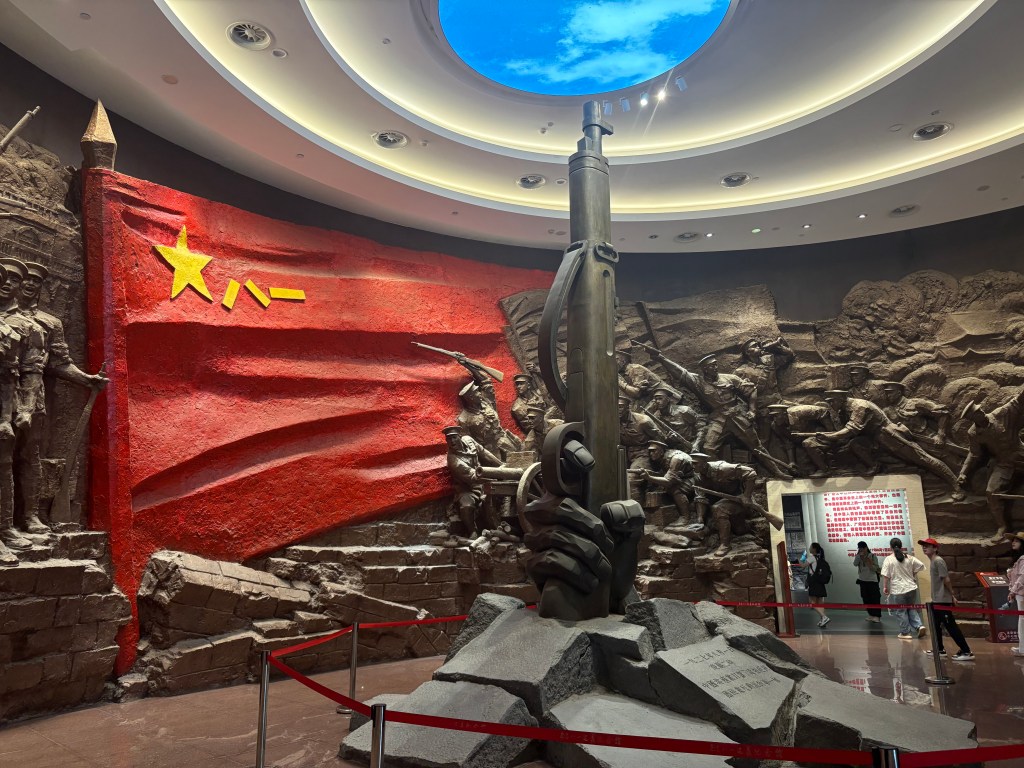
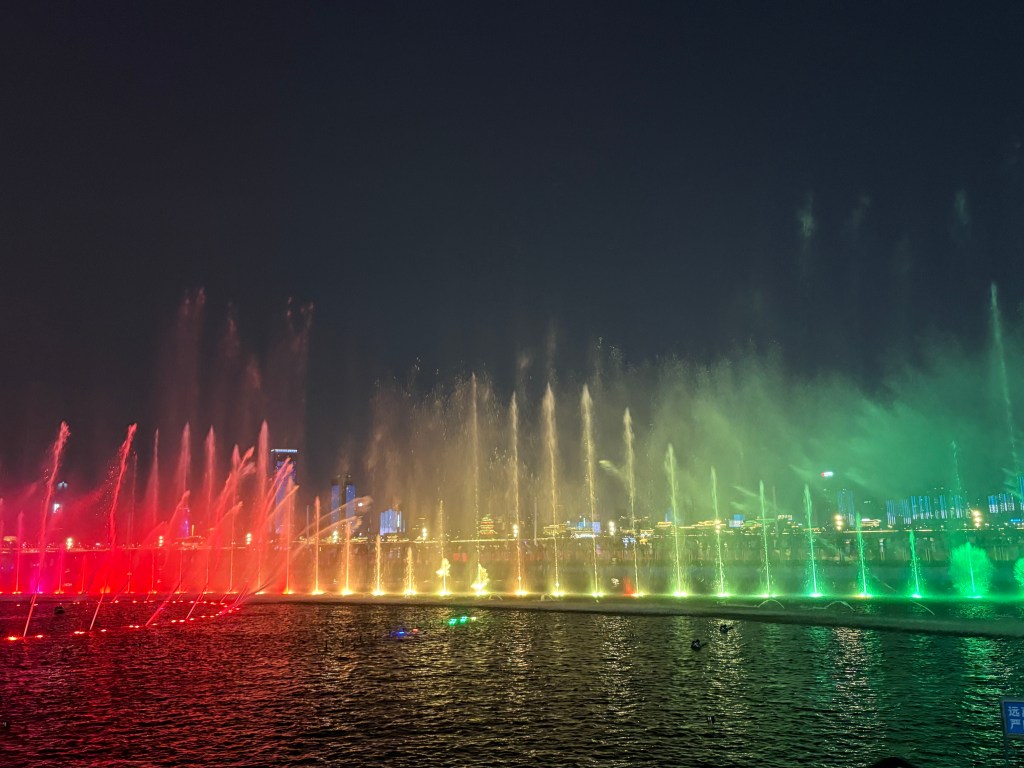
Once in Nanchang there was lots of sights to explore alongside meetings. This included visiting the Tengwang Pavilion, one of the Three Great Towers of Southern China, Bayi Square, and August 1st Nanchang Uprising Memorial Museum. The Uprising Memorial was particularly interesting to visit the former Jiangxi Grand Hotel where the founding of the People’s Liberation Army is considered to have taken place and tour the museum next door to learn about the history.  One evening we were able to take a stroll along the Gan River and watch the fountains at Autumn Water Square. Once finished in Nanchang it was off to Shanghai to fly back to London.

British Council Panel, Ankara and the Anıtkabir

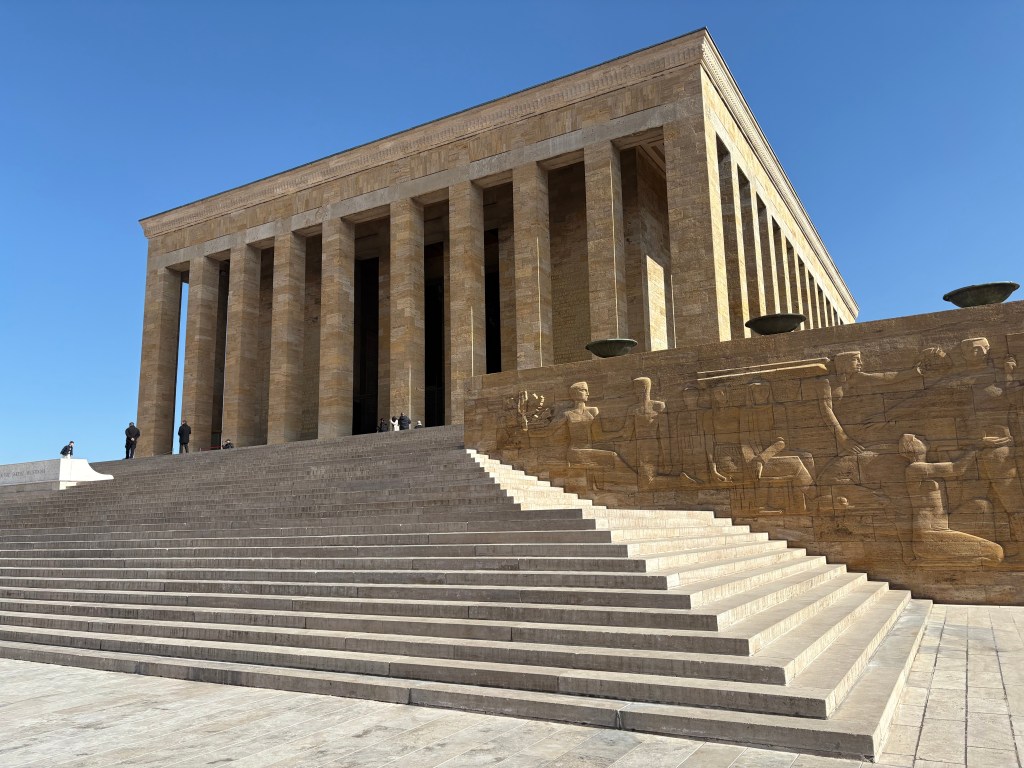
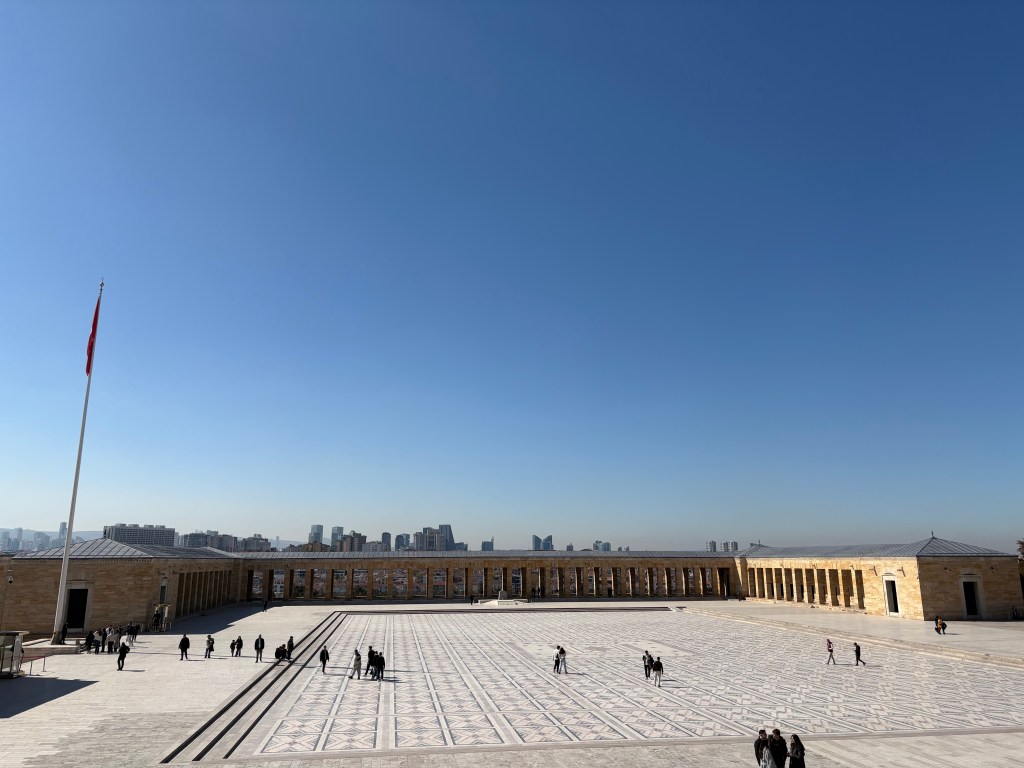
After completing a British Council Connect2Innovate project with partners at Middle Eastern Technical University, I was invited as a panellist at a British Council event in Ankara to present, display, and share our work and outcomes as a successful and effective project. The project brought together industry and academia to generate a series of entrepreneurial case studies, which were augmented by entrepreneurs to transform them into ‘live’ cases. Several of the cases have since been published as open access cases at the Case Centre, and one is scheduled to be published in a Routledge book presenting cases on global entrepreneurship in practice. The event provided an opportunity to reconnect with Turkish partners and further explore Ankara after a previous visit as part of a TÜBİTAK Project. In addition to revisiting the old city, I also visited Anıtkabir, the Atatürk Mausoleum. The Anıtkabir provided stunning views on warm and clear spring morning and an informative museum, making it an ideal way to spend the final morning before flying back to the UK.

Polish National Science Centre Opus Research Bid Expert Evaluation Panel

I was invited by the Polish National Science Centre (Narodowe Centrum Nauki) to serve on the International Expert Evaluation Panel for the 2024 OPUS grant call.  This entailed analysing a variety of bids relevant to my topic expertise, travelling to Krakow to shortlist bids, and then determining which bids would receive financing after a second round of peer review.  I had previously served on a PRELUDIUM evaluation panel, which focusses on early-career researchers, and the OPUS panel, Poland’s top-level research funding program, provided the opportunity to review larger, more innovative and complex project proposals.  The opportunity to go to Krakow is always appealing, as is the opportunity to meet and discuss cutting-edge research with other prominent researchers from across Europe.  On the final evening, I went with colleagues from Finland, Sweden, and Poland to watch Wisła Kraków play Warta Poznań, in a torrential downpour. Wisła lost 0-1.  However, this did not detract from an enjoyable trip.