Over the course of the 2023/24 academic year, I worked with 2 students to develop and create a mini-series of videos to support doctoral researchers to reflect on how their research informs sustainability and the UN Sustainable Develop Goals (SDGs), to enable recommendations for sustainable practice. The project was funded as a Green Impact Project by the National Union of Students and led to the creation of three videos. The first video explores the benefits of linking business research to the SDGs, the second video discusses how business research can be linked to the SDGs, and the final video discusses the process of linking business research to the SDGs. Whilst, the project was focused on supporting doctoral researchers at the Worcester Business School, it might offer wider benefit to other researchers, so the videos are available on YouTube and can be accessed here. The final project audit and evaluation viewed the videos positively and the completed project was awarded with a Platinum award, one of the top national award categories.
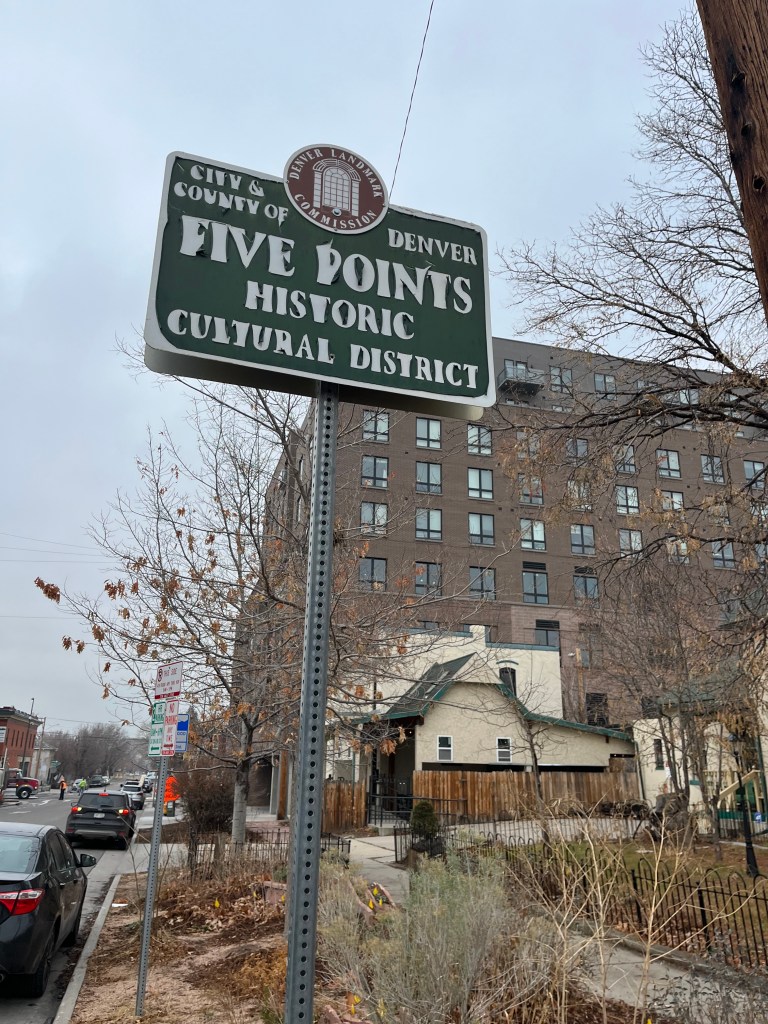
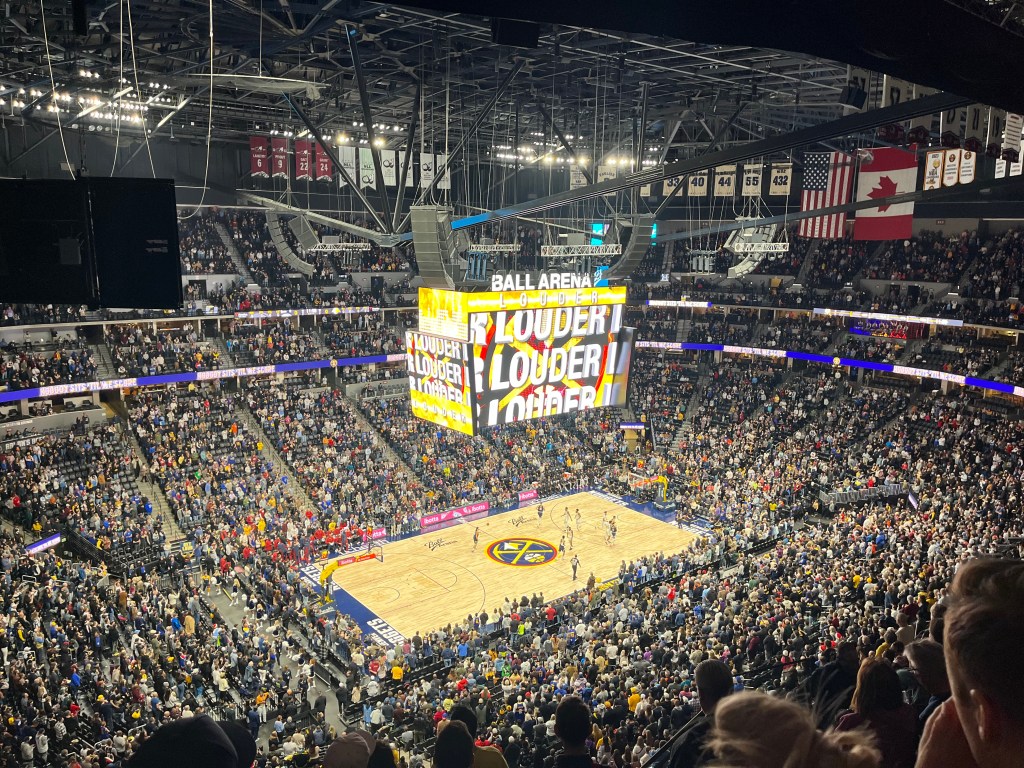
A trip to Denver in November allowed me to further explore the city, sports, and beer scene. The trip coincided with two games at the Ball Arena: the Colorado Avalanche against the Buffalo Sabres and the Denver Nuggets against the Brooklyn Nets. Both games resulted in home triumphs and provided enjoyable evenings of entertainment. During the day, there was opportunity to explore some of Denver’s districts and visit Boulder. The cold weather and chill made it necessary to walk rapidly while exploring. Previous visits did not provide enough time to explore beyond the downtown centre and Golden. While some of the neighbourhoods featured noteworthy art, there was limited culture, with most of Denver’s appeal originating from the natural beauty found outside the city. Like prior visits, there was the opportunity to visit the Coors brewery and some of the many of craft brewers which can be found in the Denver area.
I got the opportunity to travel to Ankara for the first time, having previously only visited areas further west. The trip was part of a project funded by TÜBİTAK the Scientific and Technological Research Council of Türkiye. The project brought together educators and social entrepreneurs to produce case studies about their experiences and journeys in order to provide context-specific teaching resources. The goal was to expand the use of student-centered teaching strategies in the entrepreneurial classroom. Following the workshops and sessions I had the opportunity to explore the city.
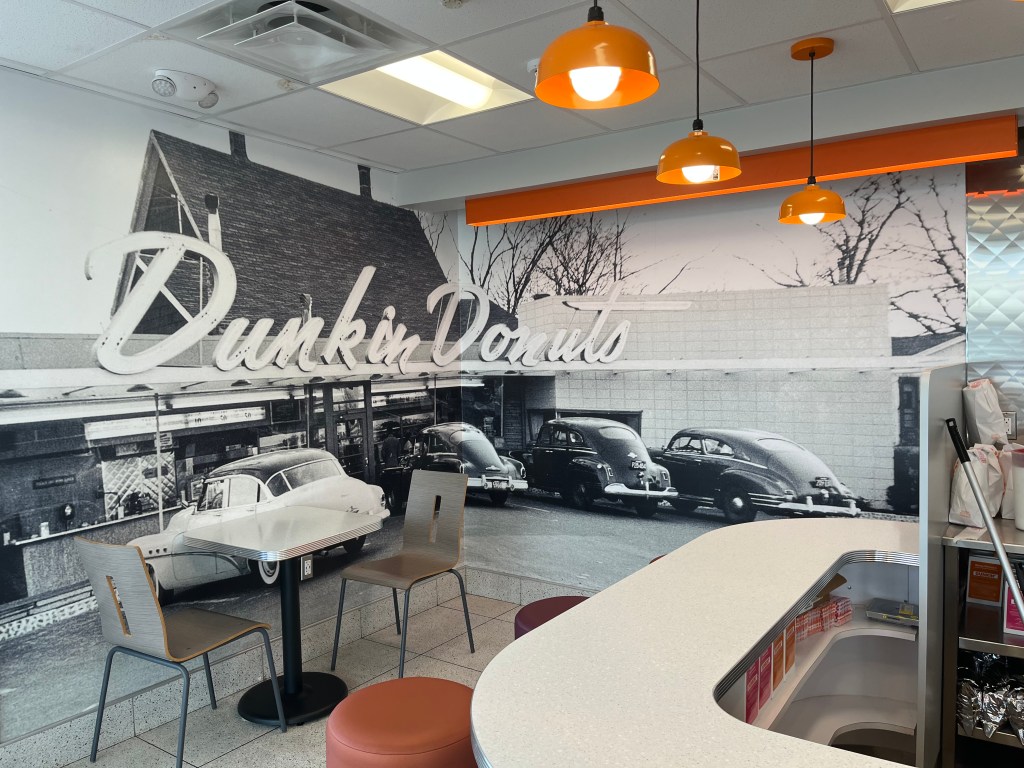
As part of a summer trip to New England on the way top Houston, we managed to visit the first Dunkin’/Dunkin Donuts and Ben & Jerry’s. The first Dunkin’, originally Dunkin’ Donuts, is in Quincy on the edge of Boston. Compared to many first locations of famous restaurants and companies, it was rather understated in signifying that it was the original venue. Whilst modernised, it still had a Dunkin Donuts sign, rather than the contemporary Dunkin’ brand and had a small sign underneath stating that it was ‘The Original Dunkin’. Inside it had some neat old images of places, but it still operated like a normal Dunkin’ with no different merchandise or anything unique to the first location. Which is quite different to the offering at Starbucks first store in Pike Place Market in Seattle.
The First Dunkin’Inside the First Dunkin’
Whilst, on the New England trip we also visited the Ben & Jerry’s factory in Vermont. This has a specific visitor offering, providing tours of the factory and tastings of fresh ice cream, including flavours unique to the location. They also had some interesting features, including a flavour graveyard, detailing all the past flavours which are no longer made, which offered an interesting stroll. The comparison between the first Dunkin’ restaurant and the Ben & Jerry’s factory in terms of offering a visitor experience was quite stark. It might suggest that people don’t hold Dunkin’ as sentimentality as I do and they don’t get many people who go out of their way to visit, or maybe the franchise nature of Dunkin’ doesn’t support deviating from the norm.
My colleague and I spent a couple of months developing some short videos which introduce some of the most common business research designs for the University of Worcester Doctor of Business Administration (DBA) program. Research design can be tricky subject to teach and discuss; indeed, scholars cannot even agree on what it entails and some term it research strategy. A (positive) challenge that we had on the DBA was covering enough research designs to support the cohort. We started off by only discussing four research designs in detail as part the Research Design and Methods module, however, as the program grew, we found that there was a desire to adopt a wider range of research designs as part of doctoral research. This gradual expansion led to challenges adequately fitting in all the research designs people were interested in. To enable us to undertake learning activities and discuss the practical application of each research design in the classroom, we adopted a flipped classroom approach. Providing an introduction to research designs video, and then a short video giving a background and summary of nine different research designs, which offered the foundation for further discussion and application in class. The nine research designs discussed have all been utilised by doctoral researchers on Worcester’s DBA program and include case studies, narrative research, interpretative phenomenological analysis, action research, Delphi research, ethnography, Q methodology, fuzzy-set qualitative comparative analysis (fsQCA), and survey research. The video playlist is publicly available to support others who are interested and can be accessed here.
After nearly three years our project team successfully completed the Cross-Cultural Skills Europe (CRUSE) project. Despite challenges posed by the pandemic, some great outputs were produced which can be viewed on the project website and video and narrated case studies are hosted on the projects YouTube channel. The case studies and supporting materials covered some fascinating topics and included some interesting and iconic organisations, which has led to positive feedback and a positive final project evaluation.
Five years of delivering the Research Methods and Design module to DBA cohorts has led to the gradual development and accumulation of too much good material to include it all in the teaching time allocated. Plus, after five years the module would benefit from a refresh to ensure that it is still innovative and fits the needs of the diverse cohort. I decided to flip the classroom for a couple of core subjects, which are picked up in less detail in earlier modules and where greater application of the topic would be helpful. To support this, I recorded a mini-series of three videos on research philosophy. The first video recaps some of the key distinctions implicit within research philosophy. The second video builds on this and discusses the opposing views and assumptions held within positivism and interpretivism, and how these commonly align with data collection methods and analysis. The final video discusses four more research philosophies; realism, pragmatism, constructivism, and phenomenology, the views and implicit assumptions within each one, and the research methods and analysis they are commonly aligned with. The second topic I decided to initially cover was research design and the application of mono, multi and mixed methods research. In addition to embedding the videos in the course’s virtual learning environment, I have created and posted them on a new YouTube Channel to make them publicly available. The development of the channel is still a work in progress and the goal is to produce more videos as I continue to innovate the pedagogic delivery of the module. The current playlists can be accessed through the links below.
It had been just over a year since leaving Kyiv in June 2020, at the height of the pandemic, that the opportunity arose to return for three weeks. This opportunity was offered midway through a month in London, meaning it would involve me being away from home for nearly two months over the summer. The sense of adventure and the feeling of unfinished business led us to jump on the plane (or a couple) to go back to Kyiv. The visit coincided with the 30th anniversary of the modern founding of Ukraine, which was why in part we went. This meant that there was a buzz in the city and events organized during our stay. However, I still managed to attend a home Dynamo Kyiv game and a Shaktar Donetsk game, as the latter have moved their home games to Kyiv since we left Kyiv. The biggest change in Kyiv was the introduction of rental electric scooters dotted around the city. The introduction of the sharing economy had hit in a big away! There were five plus different companies offering scooters, using the normal scan the QR code on the handlebar process, plus numerous similar bike offerings. Whilst Kyiv was not the city I would have thought most suited to this innovation, in terms of infrastructure such as limited bike lines and rather rough and wonky pavements, it did make the city even more accessible. There were also limited geofenced zones compared to some other cities, which made navigating the city a breeze. When returning to a place I also like to ensure that I do something new, and one thing which I had never done was visit any of Stalin’s underground tunnels. These tunnels were built under the orders of Stalin, who was concerned that if Kyiv was attacked and the bridges over the Dnieper River destroyed, the Soviet army would not be able to move weaponry and troops around the city. The tunnels never got fully completed and brought into service, but their entrances can still be found on the banks of the river, and on the islands. So, with the help of the new scooters, I ventured out to hunt one of the tunnels down. Once located, the tunnel entrances themselves were rather underwhelming but considering the effort and process of their construction in that period, are interesting. Whilst the tunnels were never finished; the size and scale of the secret project highlights the ambition and fear of the time.
Entrance to Stalin’s TunnelsRental ScootersDynamo Kyiv
After a visit to Kyiv in the summer, a second opportunity arose to visit it again in the winter. The travel was last minute and involved travelling a rather unconventional flight path of Washington – Newark – Zurich – Vienna – Kyiv on Christmas Eve (and into Christmas day!) but provided the opportunity to visit Kyiv in the snow again. The first thing I noticed was the disappearance of all the scooters for the winter, which whilst making sense, highlighted another challenge of launching them in such a seasonal location. Seeing the same sights in such different conditions is always interesting, as was being in shorts in the summer and then so bundled up only 4 months later. The time of year meant that there was no football to attend and there was a need to find some warm places to stop and warm up in when exploring the city. The Kyiv Food Market was particularly nicely lit up and always has a good selection of food and drinks. During the visit, I decided to head out to the Art-Zavod Platform on the Left Bank, a short walk from the Lisova metro stop and the Kyiv National University of Trade and Economics. The area is an Arts start-up hub and like all good start-up ecosystems has a coffee roaster and the 2085 beer brewing operation, a craft brewery which has been growing in prominence within Ukraine. It is interesting to see how the entreprenurial ecosystem is growing and developing within the Ukrainian context. The area is reminiscent of the 798 district in Beijing and the repurposing of old manufacturing buildings into art studios and incubators. Whilst Kyiv is a very different experience in the bitter cold and snow, there are always interesting things to visit, and do, no matter the season.
Repurposed FactoriesChasing SantaParliament Christmas Tree
I am a great believer in the value of reflection, as you will see from my previous research. After six years living and working in China, Russia and Ukraine, whilst also holding down a full time job in the UK, I feel that I have learnt so much and I would like to share my reflections on what I have learnt. What I have learnt is wide ranging, relating to working in the countries I have lived and worked in, but also includes reflection about the daily experience. Some of the eclectic things I have learnt are discussed below, in no particular order:
Every Country has a Different Broom
Having lived and worked in five countries (China, Russia, Ukraine, USA, and UK) in six years, one of the things that astounds me is there is no single broom or brush for cleaning the floor. There are so many different sizes, designs, and angles. For example, the brooms in China are small and angled, whilst in Russia they are bigger and straight. But in Ukraine they are angled and tall. In the UK, I am not that familiar with brooms as most floors are carpeted, but I was a janitor for a year in Tesco and the bristles were straight. In the USA brooms have straight bristles and handles, more like the UK. But it has amazed me that every apartment we have moved into has had a different broom.
What Constitutes ‘Good’ Work
I have been surprised by the range of understanding and interpretation of what constitutes ‘good’ work, in the places I have lived and worked. I was brought up in the UK system, which like the US is task focused. Other countries are more time focused, whereby the time you spend on a task is more important than the quality of the output itself. In such cases work is scheduled around time not outputs and the time must be filled. This is different to my flexible working pattern, where I work unique hours and most people do not mind as long as I complete what needs to be done.
Economic Principles do not Always Apply in the Same Way
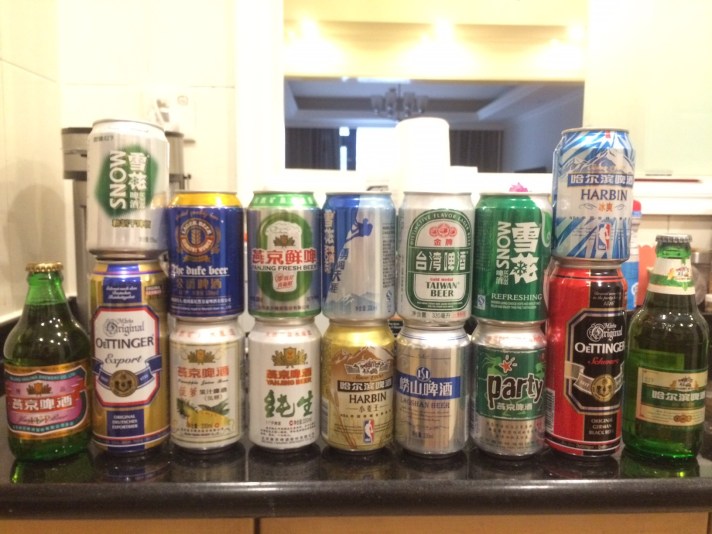
I found the idea that the basic economic principles that we are taught do not apply universally. I was, of course, aware of the different economic systems which exist in China, Russia, and Ukraine, but not that economic concepts that we take for granted in the UK and US do not always hold true. The most obvious way in which I saw this was in the lack of economies of scale when shopping in supermarkets. For example, if you buy a multipack of beer in Walmart or a local domestic supermarket in China you would commonly be charged for the price of an individual beer times the number of beers you have. A lack of economies of scale for the end consumer could also often be found in Ukrainian shops to a lesser degree. Of course, when broken down, it can be argued why should a multipack be cheaper than buying individual units, but I have been conditioned to believe that it should. The concept of buying many things by weight rather than by piece in Ukraine always fascinated me, as it made it harder to know what an ice cream or cake would cost. It seems logical and a more direct reflection of value, but not really consumer (or worker) friendly, as there are many more steps required.
No Multipack Discount
Single Bottles
Entrepreneurship and Informal Entrepreneurship
Whilst living overseas I have noticed a difference when it comes to how entrepreneurship and informal entrepreneurship is valued. This is probably not a surprise, but in the more developed countries I have lived and worked in I have noticed a desire to formalise entrepreneurship. Formalised entrepreneurship helps to bring in more tax revenue and benefits the wider economy. China really leads the way here, and the promotion and development of entrepreneurship really is impressive.
Public Buildings and Spaces are Impressive in Former Soviet Countries
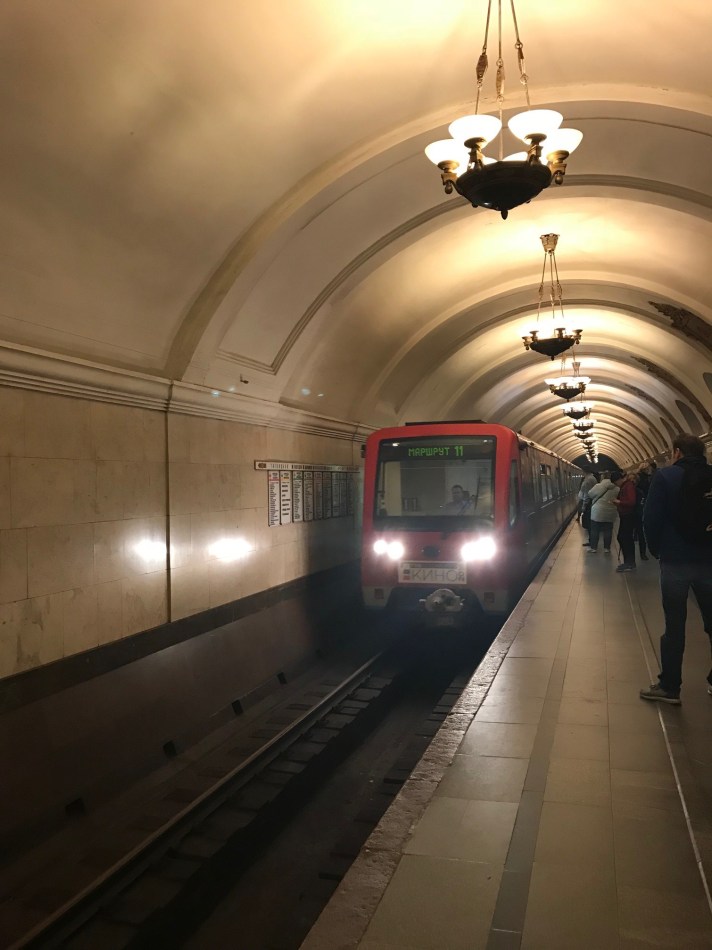
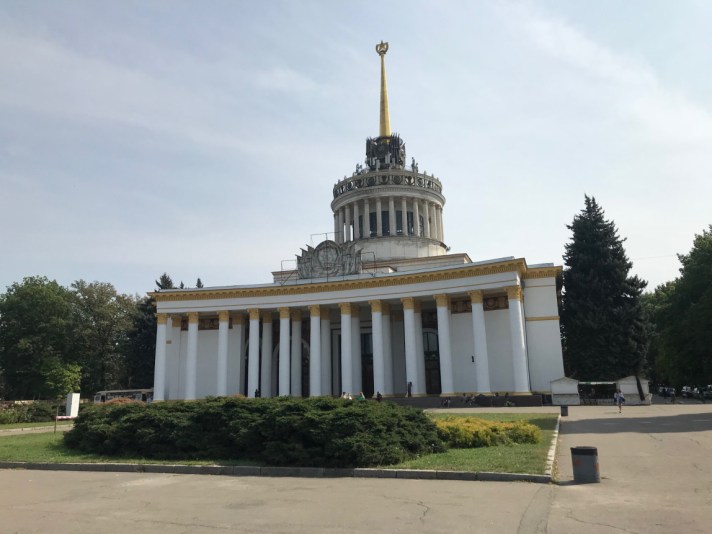
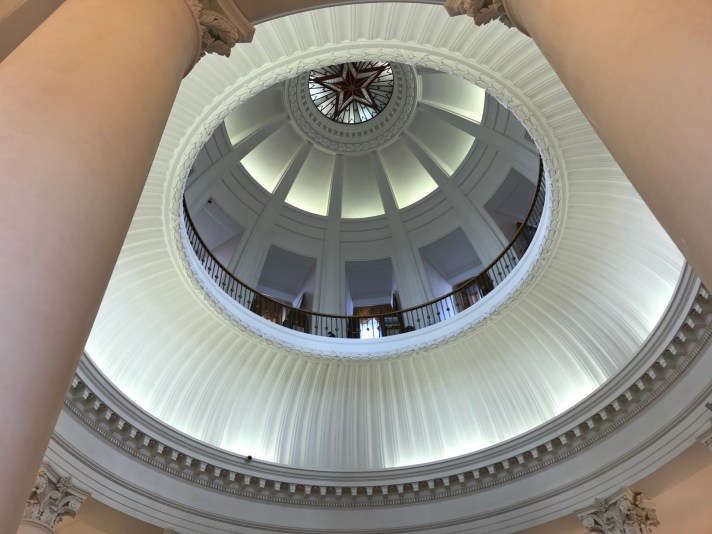
The development of public buildings for public use in former Soviet Countries is impressive. Whilst the function within these building might not be world leading, in Moscow and Kyiv there are some wonderful public spaces. I think many countries around the world could learn from the museums, theatres, monuments, and metro systems that these cities have. The dedication to the public good is impressive.
Moscow Underground
Expocenter of Ukraine
Moscow State University’s Seven Sister
The Desire to be Different/Unique
Contrary to what the academic literature would suggest, I have found that in some societies the idea of being unique and being a ‘VIP’ is very powerful. When boarding a flight with elite status/business class ticket I like to be the last one on, to take advantage of the airport lounge and their facilities, but the power of being a VIP is very strong in some cultures. Indeed, you will often see a VIP phone number presented to the general public in some countries, which by definition means its not a VIP number if everyone has access to it. This demonstrates the power and perceived psychological benefit of being an individual in some countries.
Reserving Tables for Hours and Having no Custom
My final reflection is on the process of reserving tables in bars and restaurants and the willingness to reserve a table the whole night from 5pm through to 1am, even when the reservation is only for 9pm through to 1pm. Whilst this in part probably comes from living in the centre of three expensive cities, where many exclusive and luxury hangouts exist, it underlined to me the importance and value of having a booking somewhere and it being at an ‘it’ place. It also always seemed strange that venues would turn away custom when they had a booking three hours later. I would often have to convince servers to let me stand in a corner or at the bar to have a quick snack and drink at 5pm because they had tables booked later that night. In this context I am sure it came largely from the balance between the local wages and the food and drink on offer, and therefore reservations being so valuable. I will always remember sitting in odd corners of completely empty bars and restaurants which remained empty until much later in the evening when I would be home in bed.
Empty Bars
Empty Restaurants
The Value of Wealth and Money
The value of wealth and money and the willingness to display it, is different in the countries I have lived in. In some countries legitimacy is given to those with wealth, whilst in others wealth is held but not explicitly displayed. We have been gifted the wonderful opportunity to live in the city centres of Beijing, Moscow, Washington DC, and Kyiv. In all of these cities Washington DC had the least sports cars and roaring engines. In fairness, maybe American wealth does not come to DC, but rather New York, San Francisco, LA or even the Finger Lakes.
Logistics are impressive and redesigned for the Context in China and Ukraine
I was always amazed by the efficiency of Chinese and Ukrainian distribution companies. The Chinese logistics system is amazing, but the Ukrainian system is also good. These systems always highlighted the inefficiency in the UK and USA systems, possibly related to latecomer advantages.
Collaboration
I have found that the concept of collaboration is different in every country and maybe, not so surprisingly, is influenced by institutional direction. I have worked and collaborated with top universities in China, Russia, and Ukraine, and each has had a different outlook when it comes to collaboration. I have previously mentioned how beneficial I have found collaboration with Chinese colleagues, but I have learnt collaboration is impacted so much by national policies and directives.
Collaborations
More Collaborations
People Relate to the Same Brands Differently in Different Countries
The importance of branding and how people relate to it and perceive brands was demonstrated to me by living to numerous countries. It is a common adage that organisations want to standardize their brands and balance their product adaptation and standardization, but when living in several very different countries it is easy to see that this is potentially more challenging than I first realised. It is easy to see brands and what they stand for as one entity, but marketers have limited control of how individuals view and perceive their brands, so brands are often viewed differently in different countries. Plus, often when brands are viewed one way in a particular country, it is often easier to run with it, than to try and realign and contradict peoples’ current perceptions.
Big American cars in Russia and Ukraine
I was always amazed by the number of big US cars in Moscow and Kyiv. There were many more big US SUVs in Moscow and Kyiv than you would find in Western Europe. I don’t know whether this is related to the demand for US vehicles or the driving conditions being more like the snowy US winter roads, but the driving and traffic felt much more like being in a US city, rather than a European one.
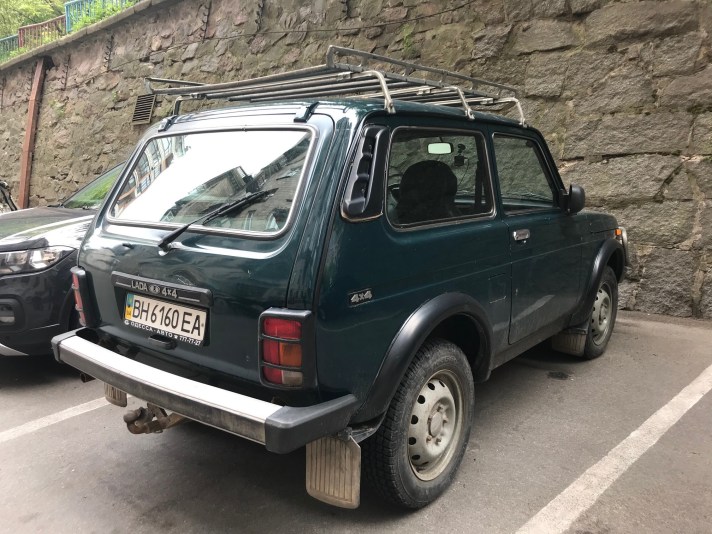
Not really relevant to my point, but I wanted to showcase this 4×4 Lada









 Robin Bell