Six Years Away: Kyiv, Moscow & Beijing

This summer brought to an end six years of being away, living overseas and being a digital nomad. These six years were spent with two and a half years in Beijing, one year in Moscow and two years in Kyiv, with six months in DC between Moscow and Kyiv, after being declared persona non grata in Moscow. During the six years, I learnt to love and enjoy parts of these metropolises, so I wanted to write about what I enjoyed in each of these cities. In the coming weeks, I also plan to write about what I learnt in each of these cities and the unique contexts that they provide. I really enjoyed Kyiv and found it an amazing, vibrant, and fun city to live. I will forever be grateful for my experiences in Beijing and all the people I met there.  Although I will always remember Moscow and am glad of the year I spent there, the context of the sanctions and being expelled with only seven days to pack will always influence my reflections of the time spent there.
So after taking some time to reflect on each of these cities, I want to discuss the positives that I will take from each city and the experience there, as I believe that our experiences make us the people we are.

Kyiv 

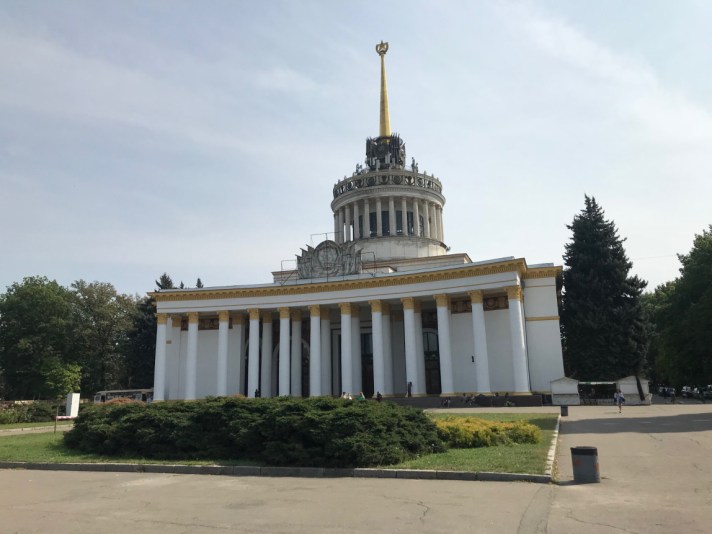
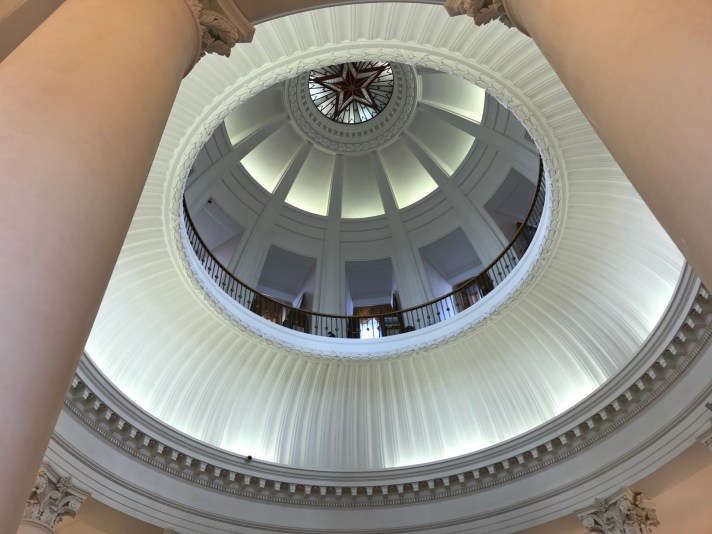
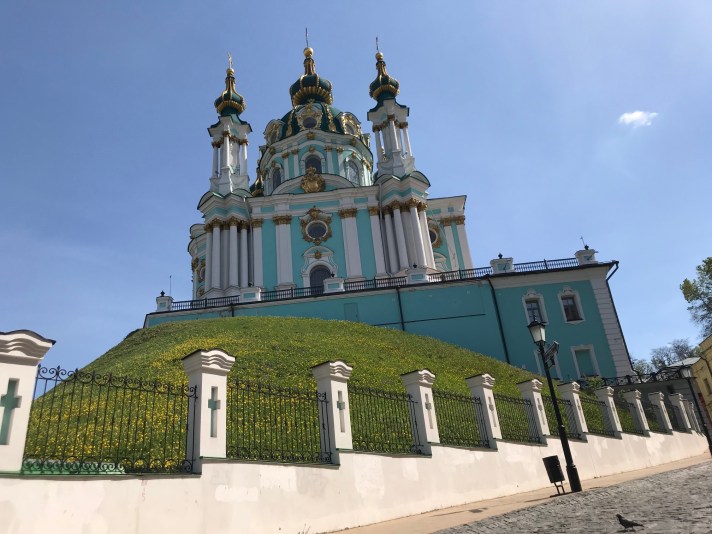
I think it is an honest reflection to say that Kyiv was my favourite foreign city of the three that I lived in over the last six years. It was the most vibrant and relaxed and felt the most similar to home. I enjoyed the seasons, there were four clear seasons throughout the year, with lovely springs and autumns, and relatively pleasant summers and winters. Kyiv was a friendly city, where I was happy to attend football matches, even big European games. I held a Dynamo Kyiv season ticket during both years, and whilst these were not successful years for the club, I always felt welcome and enjoyed attending the games. It was a bonus to see Champions League qualifiers and Europa League games! There was also a great craft beer scene, and I always felt relaxed and comfortable going to small bars and pubs despite being unable to speak any Ukrainian. I will also be grateful for the welcome I received within Kyiv at both the football and bars. The architecture in Kyiv is interesting, and it was great to be able to walk past wonderful sights and feel part of the city. I will miss Kyiv, and I am grateful for our time there and living in the city centre. 

Moscow 

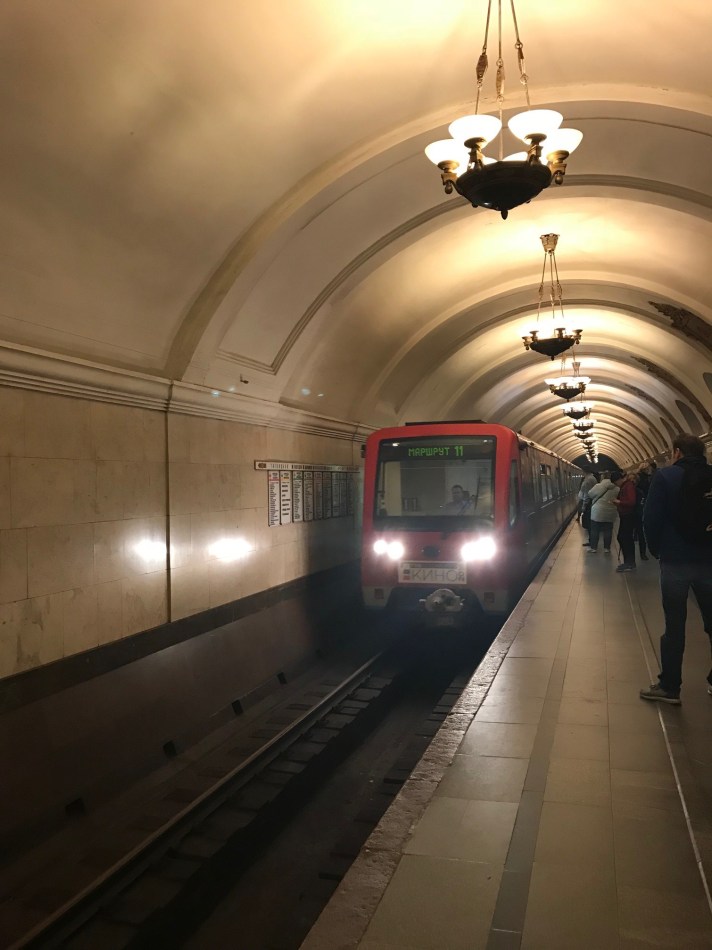
Living in Moscow will always be an experience that was tainted by how our time ended there, although I will always be grateful for the experience. The grandeur is genuinely spectacular. I enjoyed being in the city centre and walking through Gorky Park and past the lovely streets in the city centre. The long nights and short days are something unique to experience but were tough when living there. The metro is a fantastic experience, and you can get lost in its beauty. On a practical note, both the metro and airport express are super-efficient, which is essential for an individual commuting back and forth to the UK. Beyond how our time in Moscow ended and the political strife we experienced whilst there, the thing I will always remember is the sound of the snow clearing teams. It would start at 8pm and go on until 7am, and the sound of shovels grating on tarmac roads and pavements will always take me back to Moscow. I will also always remember some flights out of Moscow, where I could not believe that planes were going down the runway to take off due to the snowfall, particularly on my way back to defend my Education PhD at Huddersfield.

Beijing  

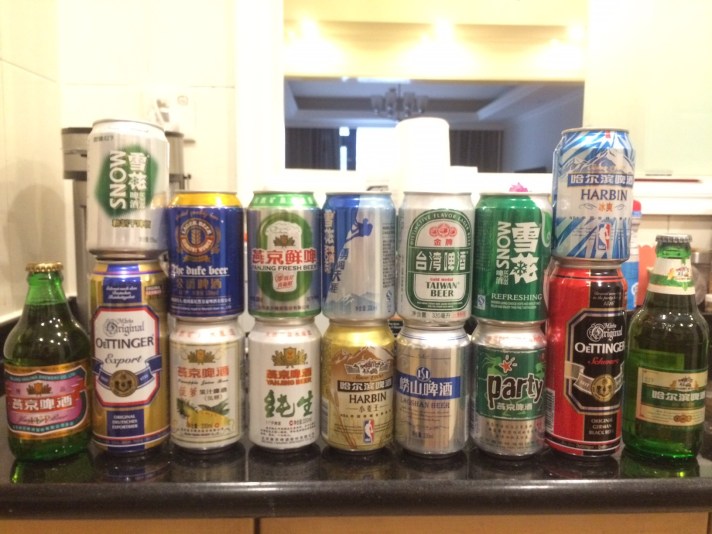
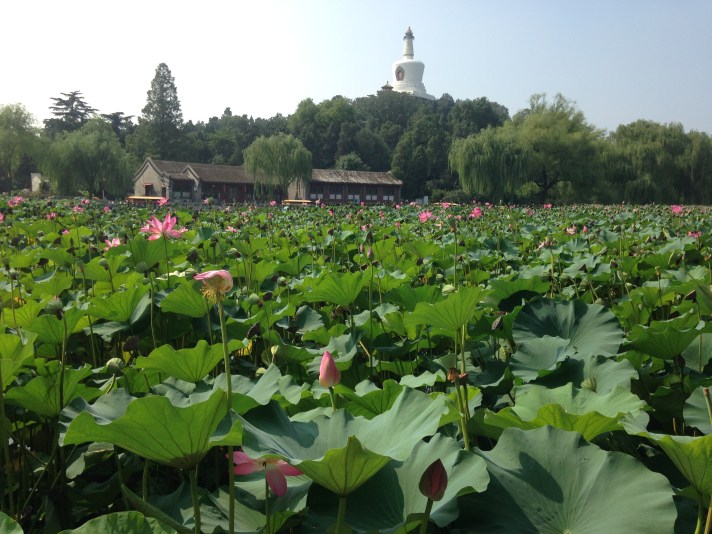
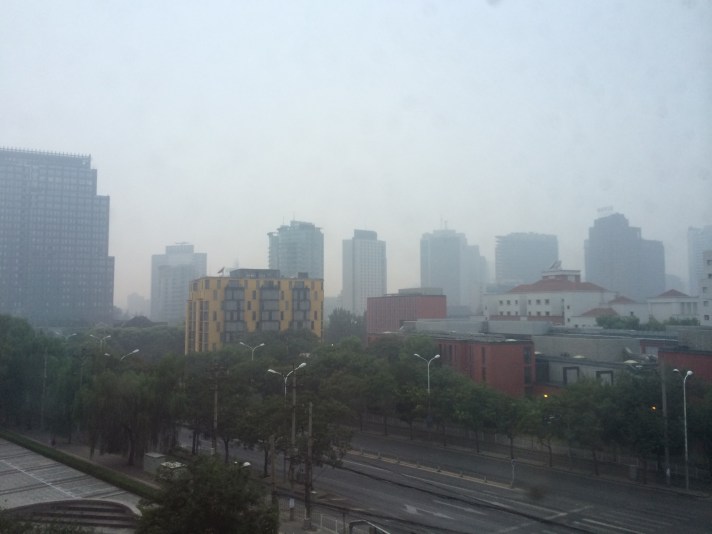
Beijing will always be the first city where our family put down roots. It has a unique buzz, and I think we all learnt so much. I am truly grateful for our time there, as it set up a theme of my research, and I managed to build more collaborations there than anywhere else, due to the desire for research and development. I still enjoy going back to Beijing to see the constant development taking place. Since we have left, I still have connections that take me back, which I am grateful for. The willingness to collaborate has always been more significant in Beijing. During my time in Moscow and Kyiv, I still found myself turning back to China. Some of the modern breweries in Beijing also opened my mind to beers beyond standard lager. I am sure it was a time and a place, but Jing-a will always be a special place for me.

Kyiv’s Best Beer Spots

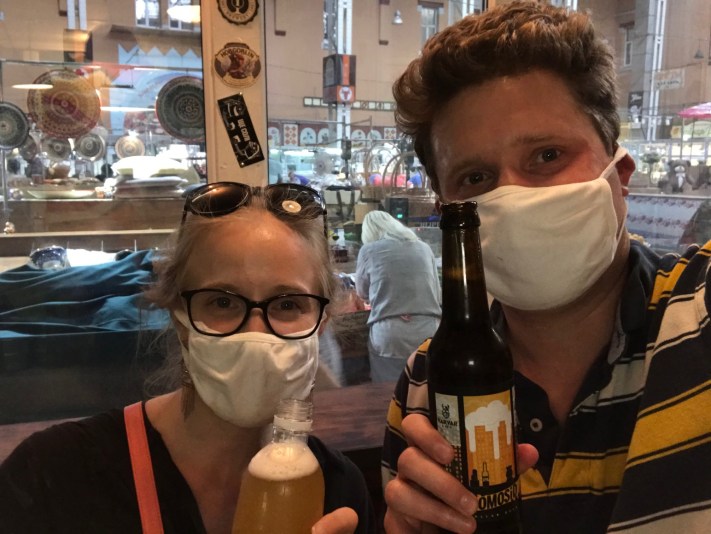
As our time in Kyiv and 6 years on the road was coming to an end, we decided to do one last cycle of the best beer bars and locations in Kyiv. The truth is this became a rather stretched process and numerous locations were visited several times during the process of packing and preparing to move. Kyiv and Ukraine has some great craft breweries and spots to relax, so we wanted to keep enjoying these one last time. As we visited each of the spots, we took some notes and photos to share our thoughts. So in this post you will find our thoughts and recommendations for our top locations to sip craft beer in Kyiv. Unfortunately, these visits aligned with Covid restrictions, so some of the photos strike a more somber tone and we missed out on a couple of places which were closed, so did not make the list below.

Central Location

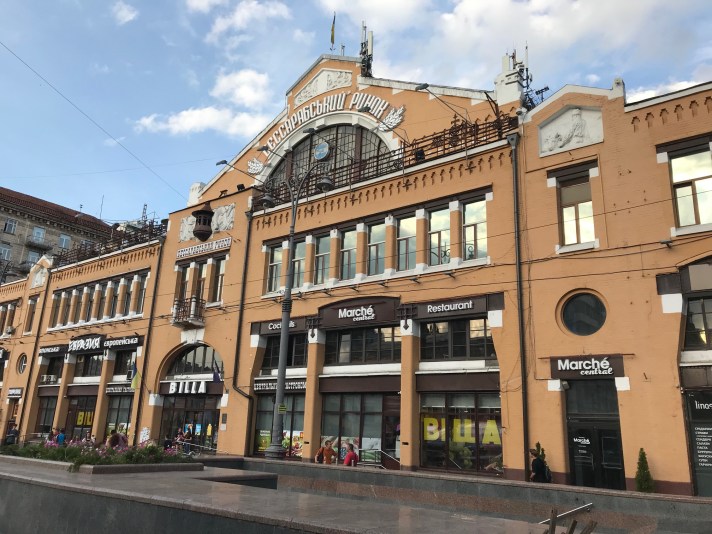
Tsypa- inside Besarabsky Market – Bessarabs’ka Sq

If you are not looking for a glamourous location for a beer, this is a great choice. They have a range of Tsypa beer on tap and normally carry a selection of bottles from a few Ukrainian suppliers. The location is more like a cabin in the market, so it is cosy and small, but you can pick up a pint of the cheaper craft beers like an ale or weizen for just over a pound or a Plombir milkshake IPA for £1.50. Plus it is an interesting experience to sit in Besarabsky Market and watch the world go by. This became a regular location for me on the way to the Olympiyskiy stadium.

Mokri Vusa / Cat Bar- Tarasa Shevchenko Blvd

This become a regular staple of ours that we have informally labeled the cat bar as the logo has a cat in a pint glass. It has a wide range of local craft beers, a reasonable number of imports from Europe and the US, normally a cider, and a cocktail menu. The beers are not the most competitively priced in Kyiv, but the domestic craft beer is still reasonable. There is also a wide range of food offered and the normally the place is not packed. Whilst nice, clean, and modern, it can feel a little sterile at times.

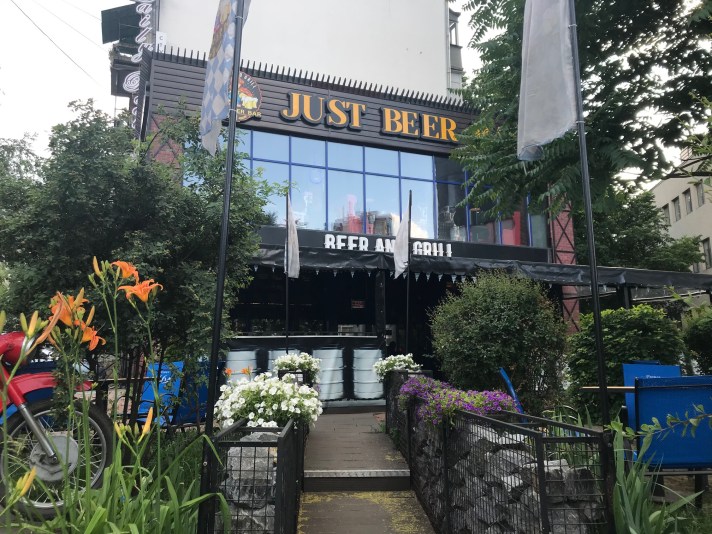
Just Beer Bar (JBB) – Hospitalna St

A short walk from the center and there are a lot of beers on the menu, although there often seems to be a reasonable amount out of stock so have a few top choices ready when you order. They have a couple of Ukrainian craft JBB-branded beers, but the menu is mainly imports. The bar has a large capacity and it has lots of sports screens, but the service is often slow. It is a good place if there is a particular game you want to watch as they show different games on the different screens. It has slightly odd decor, mixing genres of Germany, Ireland/UK and the US, but hey what do you expect from a slightly cliché Ukrainian international genre sports bar. The bar is often busy with away soccer fans on European football night given its proximity to the Olympiyskiy stadium, so can offer a good vibe or not, depending on what you are looking for. It is normally smokey inside, so reminds me of past times, which thankfully are gone.

Podil District

Punkraft – Ihorivska St

You’ll step down into a basement bar that is both hip and pricey (for Kyiv). Old-school arcade and pinball machines are there to entertain you and neon lights illuminate your stay. Order a domestic pint and you’ll have enough left for a snack, which are tasty, but an import may empty your beer funds. One could argue it’s a little ‘too cool,’ but it’s a great place to take visitors who want a taste of how cool and trendy Kyiv can be without being ‘too’ anything.

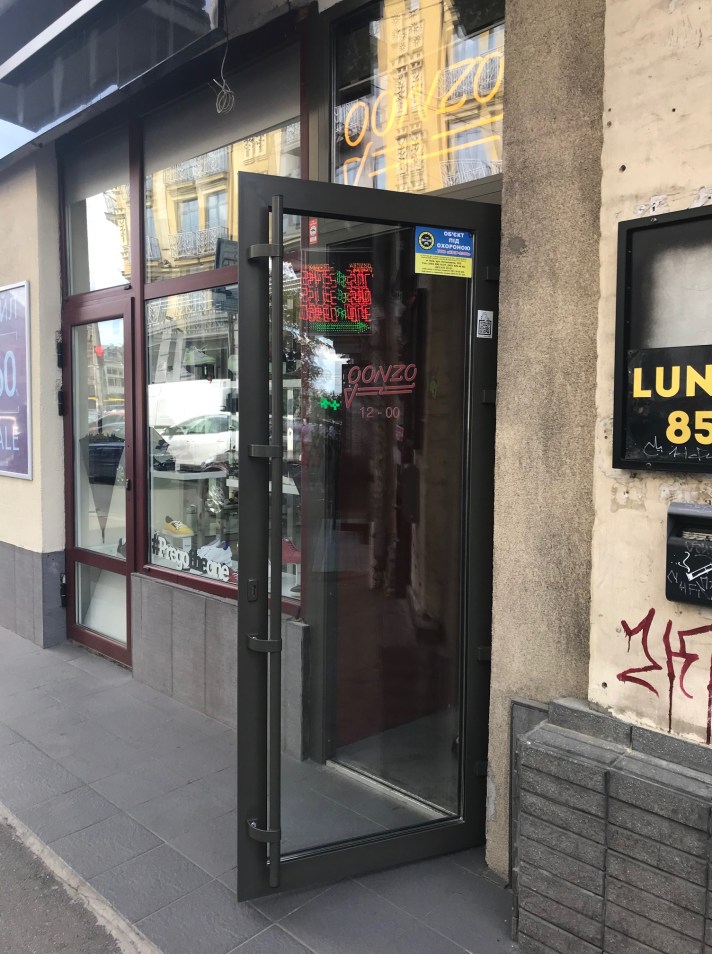
Gonzo – Kostiantynivska St

Another basement but with a minimalist approach. Bare walls and cool colors both welcome you and tell you that you’re somewhere that people take themselves seriously. Gonzo is also a brewery so you can get their branded beer fresh from the tap or grab a few reasonably priced bottles to take with you. They are not afraid to take some chances with their beer varieties and you can find some fun and unique brews such as grape milkshake IPA. Their food menu is not huge but quite varied such that you may think they have stretched themselves too far. However, everything we tried was of good quality and very tasty. In addition to all their beers, they offer many choices for non-beer drinkers with a satisfying cocktail menu.

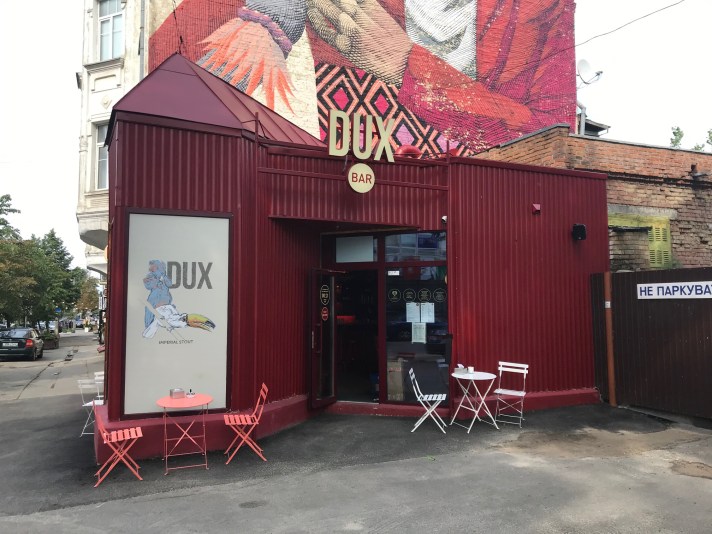
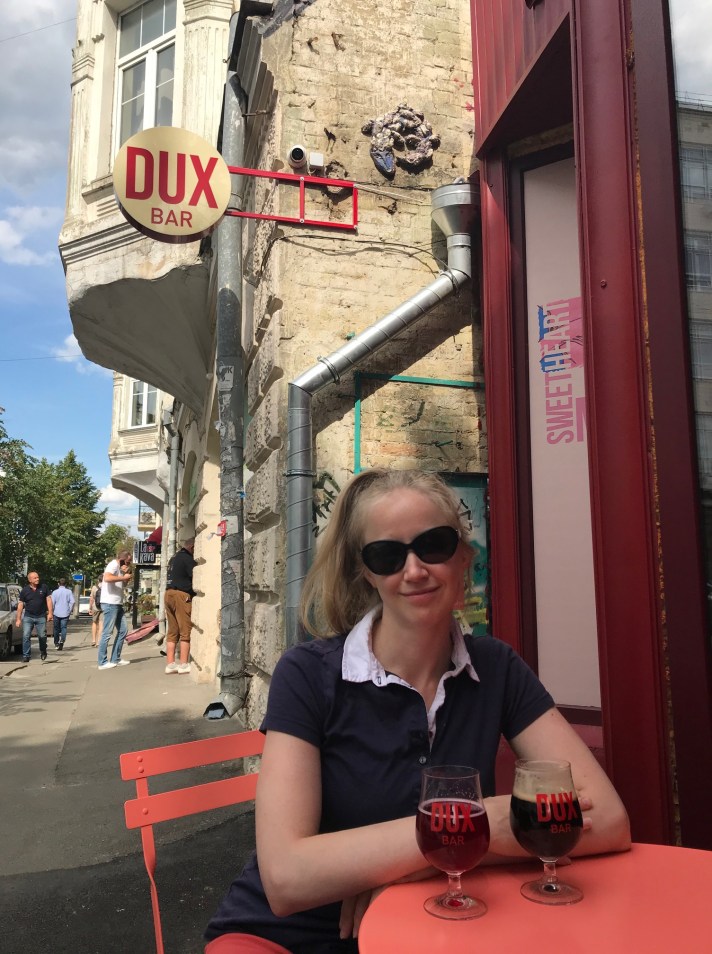
Dux Bar – Spaska St

A tiny place you could almost walk right by if not for the huge sign outside beckoning you in. This establishment features beers from KF Brewery and about 6 inside seating options. A few additional tables are outside on the sidewalk where the people watching is calm but still interesting. KF Brewery have a wide range of beers, some of which are on tap, along with some guest beers. Many of their beers are relatively pedestrian, but they have some crazy and interesting flavoured beers such as their Mint Double Milkshake IPA and Blueberry Black IPA, which are well worth a try.

Slightly Further Removed

Varvar – Saksahanskoho St

This bar/restaurant offers a huge outdoor deck for seating and a very nice interior, which is why we think it’s the best all-around place for venue quality at a reasonable price. It offers great people watching from the deck, but the flip side is that you are seated quite close to the road. A wide range of beers will pique your curiosity, and you can stock up on bottles to-go. The big trade-off is that it is a reasonable walk from the city centre, so plan to take some time here, as the next bar won’t be next door. However, there is a large food menu, so you can make an afternoon of it if you are so inclined. Your walk back can go through the beautiful botanical gardens on the way either downtown or to the metro.

Solomianska Brewery – Solom’yans’ka Sq

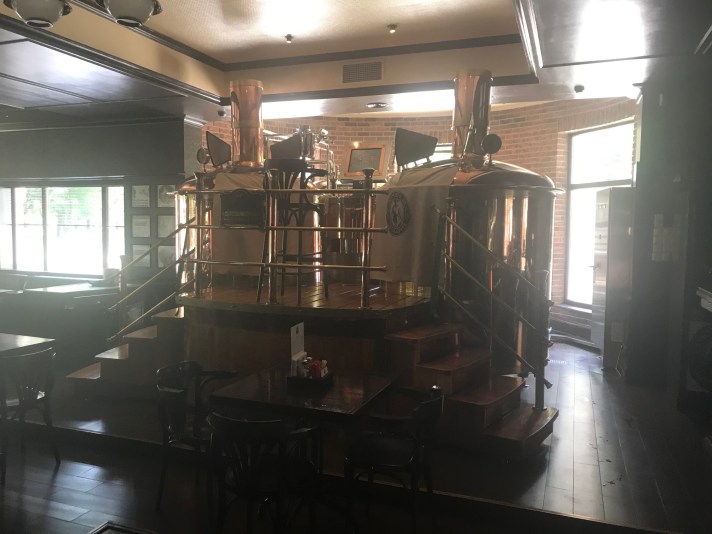
If you’d like more of an adventure, consider this brewery. It’s a bit far from the city center, southwest of the main train station, but the location means they can afford more land and offer a large biergarten-type patio. It is a bit set back from the busy road it sits off, and you can sit outside and watch people enjoying a small park nearby. The brewery offers its own beers, which you can try by the pint or in a sampler. There are also tasty snacks that will leave you with enough money left over for another beer. The food is less trendy and a touch more local here. They also offer cocktails and spirits. If you make it out there, go a little further and visit the Oleg Antonov State Aviation Museum where you can get up close to massive helicopters and interesting Soviet-era aircraft from World War II and after.

Other Notable Mentions – More than Beer Options

Kyiv Food Market – Moskovska St

Housed in the former State Armory building, the market features many food and drink venues to satisfy whatever craving you may have. Seating is both indoor and outdoors and the atmosphere is relaxed, even when busy. If you are out with non-beer drinkers, you can go to the Varvar stand inside to get your beer while they peruse the cocktail bar on the first floor or the wine bar on the second. Everyone can find what they want for lunch, be it Italian, seafood, Chinese, Vietnamese, a burger or dog, or even just a great slice of cake from Milk Bar, which makes American-style desserts that ease a bout of homesickness.

Bilyy Nalyv / 1 € inside Gastro Family Market – Baseina St

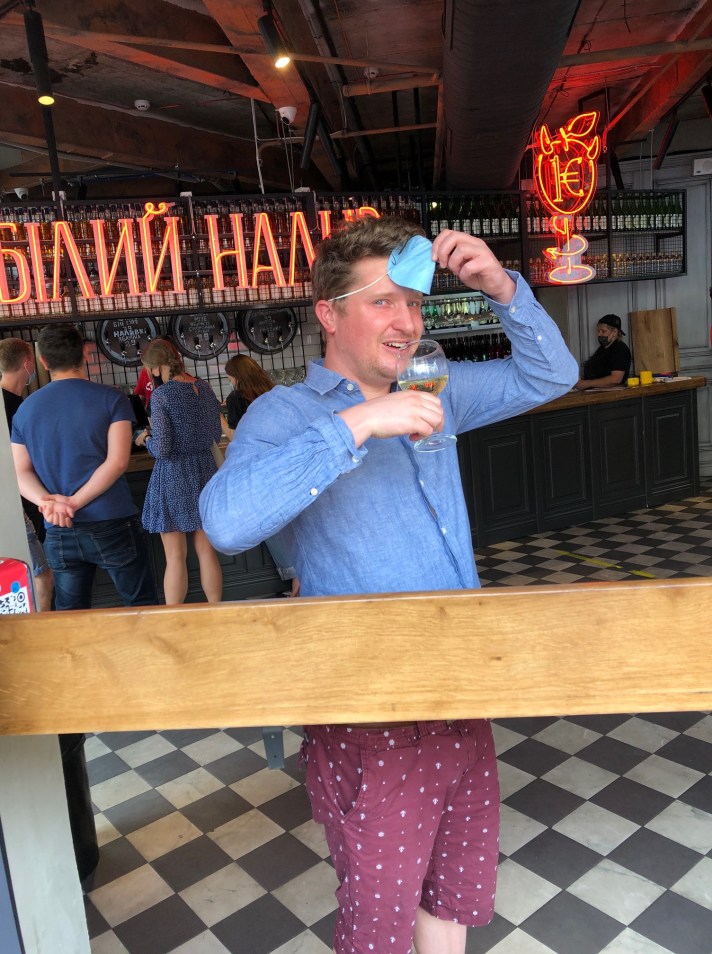
Within Gastro Family Market in the center of Kyiv, you can find lots of beverages on tap, although the one-euro logo is a bit stretched with today’s exchange rates. Nevertheless, the drinks are good value. A few beers are on tap, but don’t expect too much information beyond a one-word description like ‘light.’ There is also normally four types of cider on tap, some of which can border on cloying (looking at you, rose), but for the price are a nice afternoon refreshment. Interestingly, there is also a few types of wine on tap, or you can choose a bottle of Ukrainian fizz for a reasonable price. While in the market, there are about a half dozen food places to try as well, all of which are connected to larger restaurants around the city.

UK Council for Graduate Education (UKCGE) Research Supervision Recognition

Amid the turbulence of the Covid-19 pandemic, I found time to complete the UK Council for Graduate Education (UKCGE) Research Supervision Recognition application. The programme sets a benchmark for good practice in research supervision and provides recognition of good research supervisory practice, recognised by a national body.

The programme and the associated framework is focused on ten criteria which are: The recruitment and selection of research students; good supervisory relationships with candidates: good supervisory relationships with co-supervisors; supporting candidates’ research projects; encouraging candidates to write and giving appropriate feedback; keeping the research on track and monitoring progress; supporting candidates’ personal, professional and career development; supporting candidates through completion and final examination; supporting candidates to disseminate their research; and finally, reflecting upon and enhancing supervisory practice. I developed an application around these ten criteria in which I identified and evidenced my supervisory good practice. It offered an opportunity to explain, justify, and underpin my practice with contemporary literature, and also speak to previous doctoral students that I have supported in order to seek their views of practice and support. Completing the process highlighted to me how diverse my experience has been, supporting numerous different projects in a range of research areas and how diverse the backgrounds of those that I have supported have been. I have supported students from China, Vietnam, Switzerland and Germany to completion and I am currently supervising students from China, Nigeria, Ghana, Oman, Germany and Italy.

I received a positive outcome to my application, so I am now a UKCGE Recognised Research Supervisor. The process and feedback were somewhat uplifting. It was nice to read the positive feedback, which concluded:

“It is no surprise that you have twice been shortlisted for the Excellence in Doctoral Supervision Award at your university. Without hesitation, this application satisfies all criteria. It was a pleasure to review.”

It was nice to read this, after so much striving to get papers published in journals, leading to reviewers saying ok, reasonable or acceptable for publication. It is nice to receive a positive and uplifting review, in such a challenging time. 

Oleg Antonov State Aviation Museum

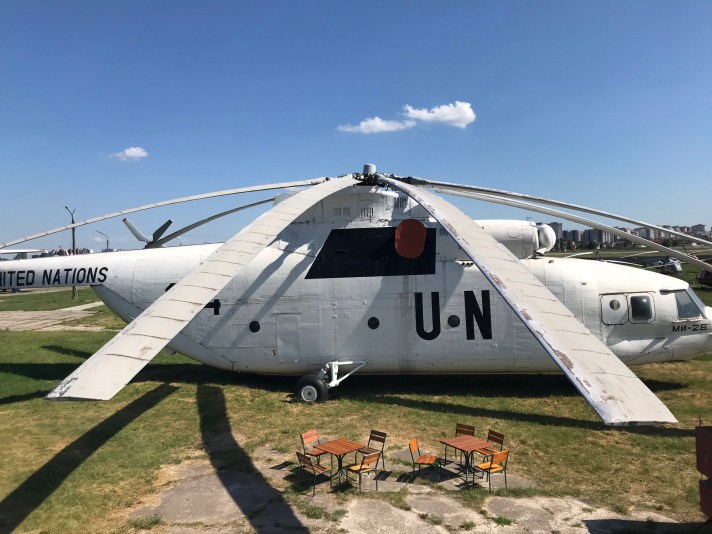
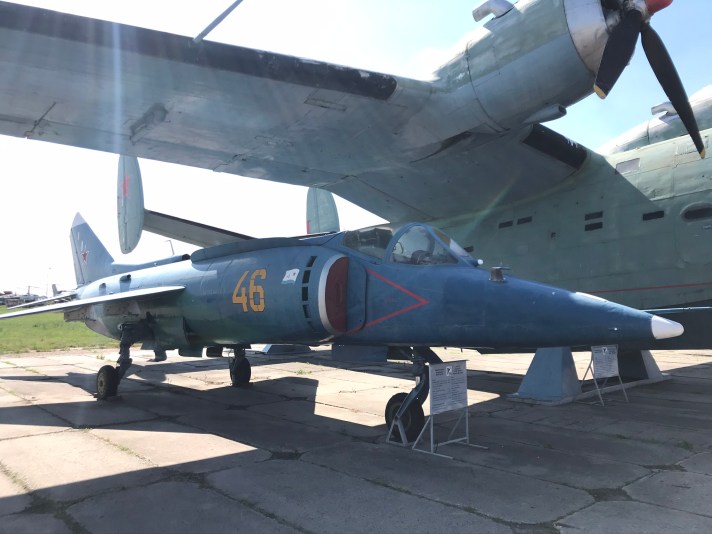
One of the most interesting and novel places in Kyiv is the State Aviation Museum. It has a wide range of soviet aircraft and technology. Like many displays in Ukraine, it is possible to get up close and personal with the aircraft. It is possible to walk right up to and around the planes and even enter a few for a small payment. The aircraft they have are unique and diverse and include fighter jets, civil aircraft, helicopters, and surveillance aircraft. The museum is only a short drive from the centre of Kyiv and is close to Solomianska Brewery, which is worth a stop if you are in the area.

Seeing the Mil Mi-26 helicopters’ size was incredible, they were bigger than many of the planes and had a large rota span. Standing next to the aircraft and seeing the planes’ size difference was neat and seeing the unique design of the Antonov An-71 surveillance plane was a highlight. The museum is well worth a stop for a couple of hours whether you are an aviation enthusiast or not. I am not a particular aviation enthusiast, with my aircraft expertise mainly coming from my frequent travel, but it was an interesting and fun day out.

The Last Flight to Kyiv before the Border Closes

Nearly exactly two years after getting PNG’ed from Moscow, the spread of the Corona virus has led to the air transport system to buckle and near collapse, as demand for travel diminishes and countries have started to close their borders. Ukraine has been one of the first countries to close their borders, first to Foreigners and now to everyone, and they are banning all international departures and arrivals. This led me to have to rush to get a ticket back, booking an Austrian Airlines ticket on early Sunday afternoon to get home on Monday morning. This reminded me that my life over the last 6 years has been anything but dull.

The tickets back to Kyiv were instantly sold out when it was announced the borders would be closed, as Ukrainians working across Europe seek to get home to buckle down and support family. I managed after checking every 10 minutes for 3 hours to book a seat, which had come available. The elation of being able to get home to be with my family, for what could be a two-week, four-week or who knows maybe a twelve-week lock down. But alas an hour later a text message saying both my London to Vienna and the Vienna to Kyiv flight had been cancelled. Trying to call both Austrian and Lufthansa who the ticket was booked with was impossible, the phone lines kept dropping well before the expected over two hours wait time could be waited out. The only consolation was getting a message that the London to Vienna flight was reinstated. Earlier in the afternoon, the Austrian Government had recommended all Austrian citizens left the UK, due to its laissez faire approach to virus control, which might have had something to do with it.

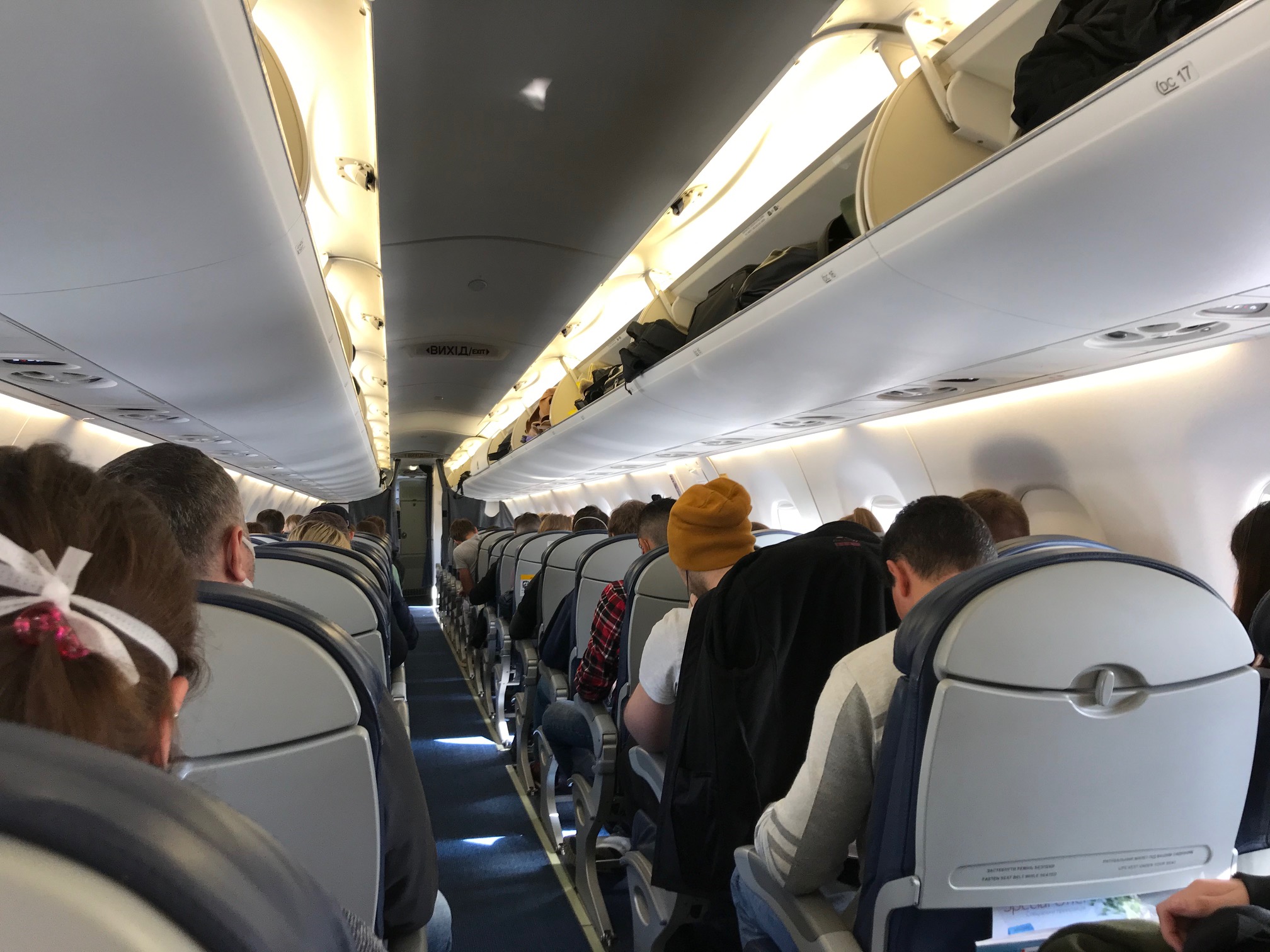
Then late that night I received a text I had been moved to a special Ukrainian International Airlines flight from Gatwick. A much longer journey to the airport, but I could get home. Having never flown Ukrainian International Airlines and deliberately avoiding it, this was the second time in two weeks, after another long night of flight changes when the KLM plane operating my flight from Bristol at 6am on a Thursday morning had a bird strike at 10pm the night before, which had knock on consequences. The check in line at Gatwick was long and slow, and despite the Ukrainian Ministry of Foreign Affairs highlighting as travelling on a diplomatic passport, I was still able to travel, the check in agents did not agree. I was lucky another family in the same situation had already started the process of contacting the right people to provide the assurances we were good to travel. So after a letter from the Ukrainian Embassy in London had been faxed to the airline, providing assurances we would be allowed in the country we were good to go.

The flight was somewhat somber; it had a quieter tone than the recent flights I had taken. We all did not know what we were returning to and how long the lock down would last. Plus, many had travelled from across the country and self-connected in London to get the last flight back. Of course, the nuances of Ukrainian International Airlines managed to cheer me up. I am not familiar with another airline which allows you to buy bottles of herbal liquor onboard for the journey. Although, it did not feel like the time for such a drink.

Teaching at Taras Shevchenko University

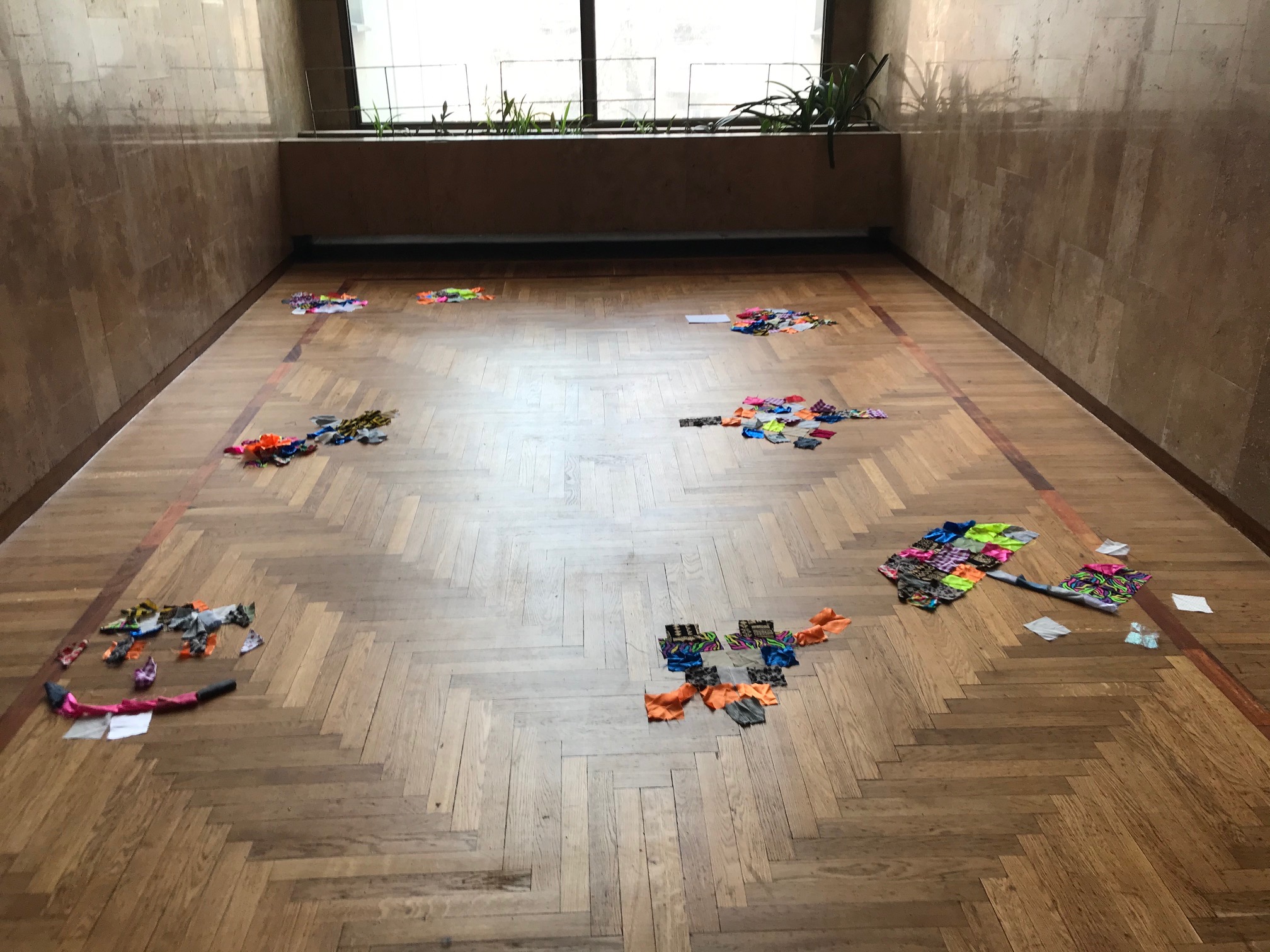
After eighteen months in Kyiv, which has been busy working on numerous projects and outputs, I managed to finally undertake some teaching. Despite this being, the first time teaching in Kyiv I have previously gone to several universities for meetings, but it is always nice to actually engage and interact with a student cohort. Despite living and interacting within a culture, engaging in an education system always helps you to understand the culture more. I delivered an entrepreneurship class to journalism students at Taras Shevchenko National University of Kyiv. The class focused on highlighting the difference between management and entrepreneurship and I sought to demonstrate this using the classic jigsaw and patchwork quilt activity. This was rather challenging given the class had approximately 120 students, and the students were more familiar with traditional didactic teaching methods, but I always like a challenge and the key learning points seemed to transfer to the cohort. Unfortunately, the closure of the public schools and universities the following week due to the spread of Corona Virus, curtailed any additional teaching this semester, but it is always nice to engage with a new cohort even if only for a short while.

EU CRUZE Project

In March, I led a team to submit an EU Erasmus KA2 project bid. The bid was a revised version of a bid submitted the previous year that narrowly missed out on funding. Against this backdrop, it make sense to revise and resubmit. After a month’s delay in announcing the funding of project, we received the good news that our project would be funded. Under my leadership, the University of Worcester will manage the project, working with partners from London, Belgium, Sweden and Turkey to develop tailored cross cultural training materials to support the development of learners cross cultural skills in both higher education and industry.

The project aims to develop the intercultural competencies of graduates in Europe by enhancing the quality and relevance of their skills to enable them to be active professionals in the European working environment. The project investigates the perceived and actual intercultural competencies of graduates needed by employers and subsequently provides outputs that help address these needs. The project responds to the European Commission’s (EC) Strategic Framework – Education & Training 2020 view that there has been a lack of focus on the involvement of social institutions on the cross-cultural skill-needs that companies have and on the effectiveness of investment in education and training in this area on business productivity.

The outputs of the project will include:

  1. A Competencies and Skills Report, which will highlight the intercultural skills needed by employers and highlight gaps in current student competencies;
  2. A Cross-cultural Competencies and Skills Development Toolkit, which will include a range of case studies and teaching materials;
  3. A Cross-cultural Competencies and Skills Development Training Manual, which will explain how educators can effectively utilize the teaching materials. The outputs will all be open-access.

As the output from the project are complete, I hope to share links to them via my blog and website, so stay tuned for my information.

Revisiting the Chernobyl Exclusion Zone

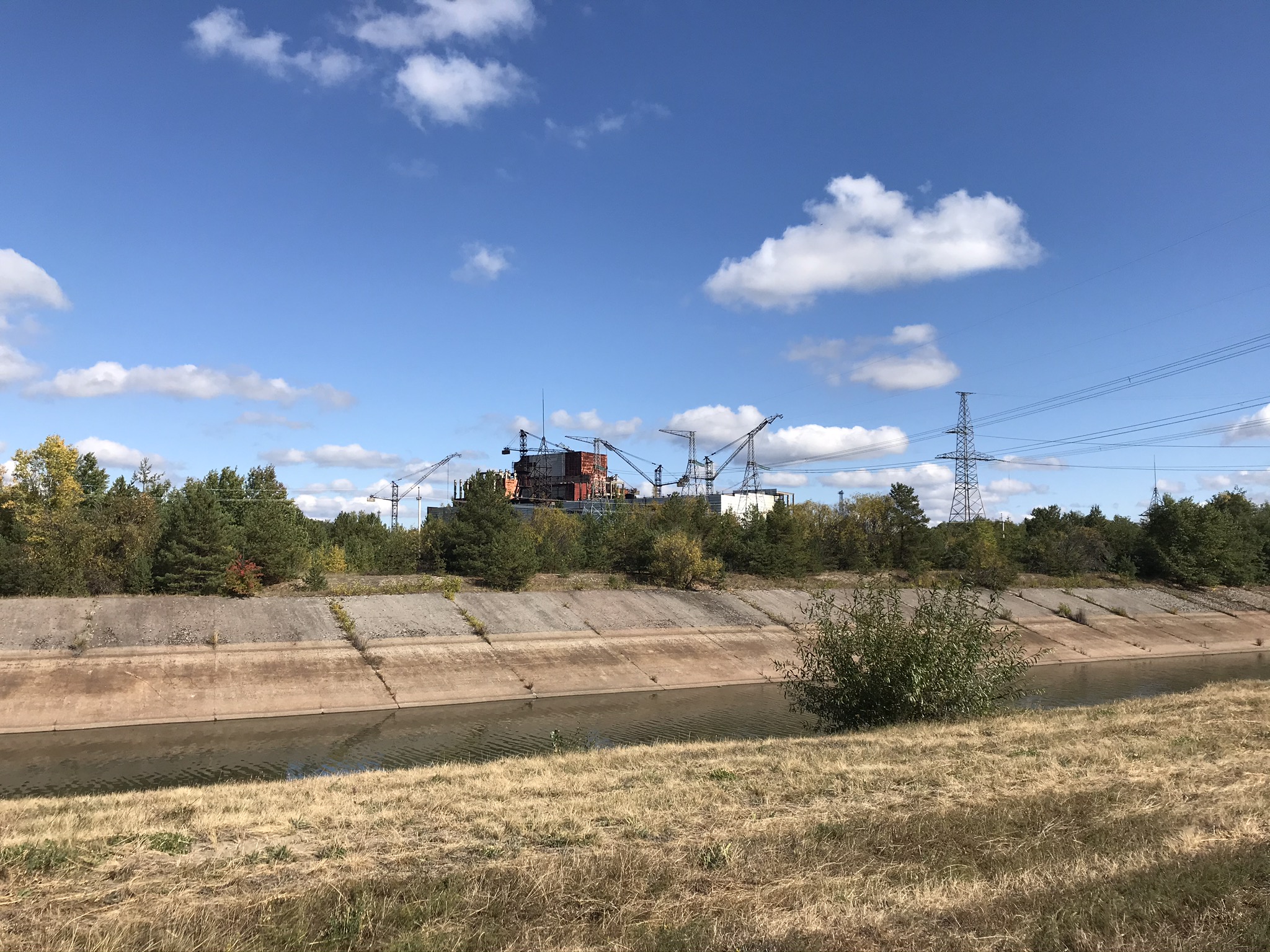
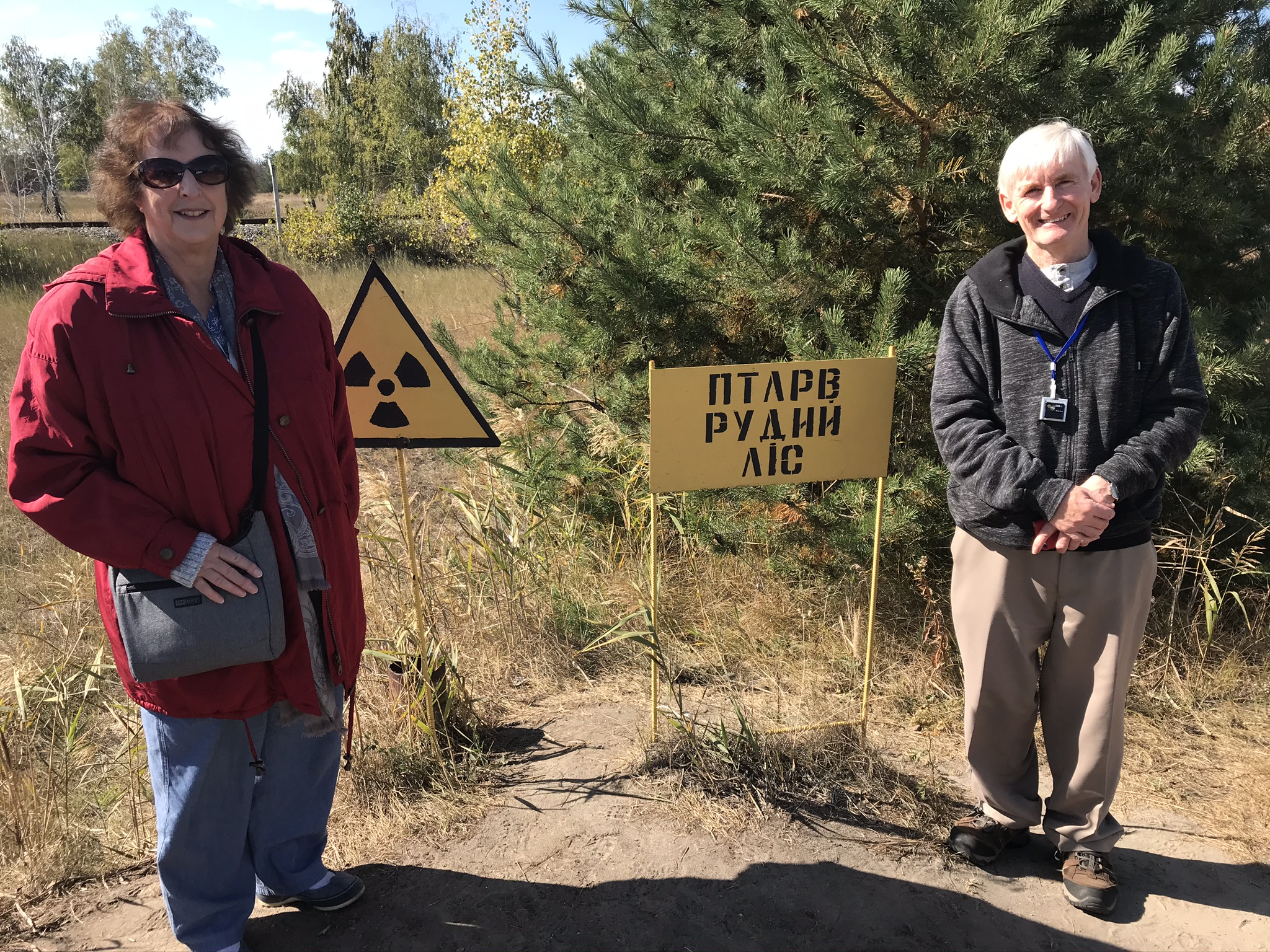
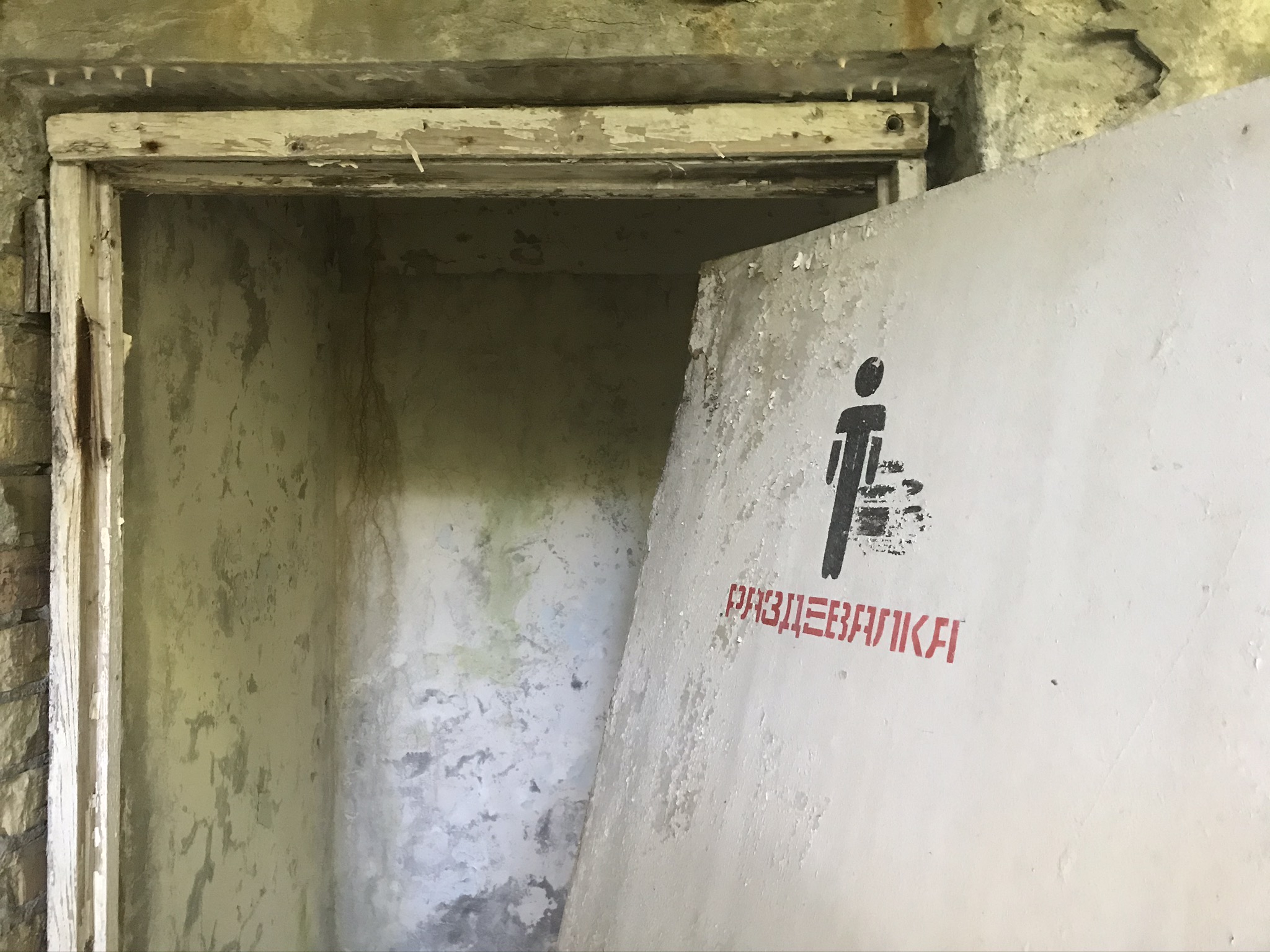
After going to Chernobyl and Pripyat for the first time in March I was keen to go again, as it is place with so much to see and take in. My parents visiting to see my wife and I and their new granddaughter, offered the perfect opportunity to visit the exclusion zone again. Whilst the Chernobyl plant itself is rather static and functional, particularly as there is so much ongoing work in the area attempting to deconstruct the reactor and securely storing the spent fuel, the surrounding villages and towns within the exclusion zone have so much to explore. These also have an eerie sense and presence, which you can take in whilst exploring. When visiting these villages and towns I get a feeling of exploring modern history in a way, which is not possible elsewhere. Whilst in Kyiv there are buildings from the Soviet era, many of which are still fantastic to see, they have been updated in a way the buildings in the exclusion zone have not been due the tragic events which unfurled nearby. On this visit I used the same company I had used previously, but we followed a significantly different path, which allowed us to see different things. This again highlighted how much there was to see. I think a large part of the route on the day depends on how confident the guide is and what their understanding is of the security patrolling on that day. Whilst it is forbidden to leave the path and enter buildings many of the guides will still presently suggest some off-path detours, which let you explore further into the exclusion zone.

We started by venturing into the village of Chernobyl and saw a statue of Lenin, one of only two statues of Lenin in Ukraine after 1,320 Lenin monuments were dismantled during decommunization, both of the remaining two statues are in the Chernobyl exclusion zone. We also walked through several streets which had houses overgrown by trees and foliage and saw the church, which is still in operation today. After this we headed to the reactor site, passing those reactors which were still being built at the time of the Chernobyl disaster. It is interesting to see the changes which were already underway with the different designs of reactors five and six, which sit some way from the reactors one through four, which are adjacent to each other. It is eerie to see such big constructions sitting half built, knowing they have been this way for the last 30 years. Seeing this and knowing that reactor three, which sat next to reactor four, which suffered the reactor core explosions kept generating power until 2000 puts the area and need for power into perspective.

After visiting the powerplants we visited Pripyat, which is an amazing place to explore. As part of this trip we did not visit as many buildings as the previous trip. But I enjoyed strolling through the town and seeing the buildings and propaganda. It is interesting to see the Soviet posters and images which are still strewn around the planned model Soviet city and how life and the city was presented. After visiting Pripyat, we headed to the secret Chernobyl 2 military base, which was hidden within the now irradiated forest. During the Cold War the military base was highlighted as a children’s summer camp on maps. The main feature of the military base is the gigantic Duga 3 transmitter and receiver, which sent out and received a woodpecker noise, searching for incoming missiles as part of the Soviet anti-missile defences. As part of this trip we also explored the buildings at the base, which allowed us to see an original model of the military base. Exploring the Chernobyl exclusion zone is definitely one of the many highlights of living in Ukraine.

National Natural Science Foundation of China Grant

The new academic year started with confirmation of receiving funding from the National Natural Science Foundation of China for a project titled ‘Researching the Effectiveness of Entrepreneurial Education in HEI’S: Measurement, mechanism and contextual factors’ (71974093). The project is being led by Dr Junhua Sun from Nanjing University, who I have previously worked with as part of a similar project researching how inspiration and educational characteristics moderate the relationship between entrepreneurship education and the development of an entrepreneurial mindset. I am acting as a foreign expert on the new project and am looking forward to getting involved and supporting the research.

The Growth of the Chinese Craft Beer Scene

Whilst, it has always been possible to hunt down craft beer in the big cities in China, it was previously a bit of a challenge and search. This normally involved searching and visiting a specific bar and having a draft beer. There was then an extension to being able to get drafts and occasionally bottles in a few restaurants. But on my latest visit to China, whilst visiting Beijing, Chengdu and Nanning I noticed a shift in the availability of Chinese craft beer. Whilst, in Chengdu I was able to have a craft beer in a Chinese (upmarket and central) restaurant, plus when going back to the hotel I was able to get another craft beer at a convenience store. Later in the week when staying in the Tongzhou district in Beijing, I was able to get a couple of interesting craft beer bottles, including a mint beer, from a restaurant with a range of local and imported beers in their fridges. This was particularly useful as I struggled for sleep that night, before flying back to Washington the following morning. I left realising how far the Chinese craft beer scene had come, from having to search for craft beer, to it being offered in convenience stores and small local restaurants. Let’s see if the growth continues during the coming months and years.