Another semester meant another visit to academic partners in China and a return to cities that have become increasingly familiar over the years. This trip was more tightly scheduled than some previous visits, leaving little opportunity to catch up with research colleagues outside of our partner universities. Even so, I made it a personal mission to experience a few new things in Jinan and Nanchang, alongside revisiting some familiar favourites.
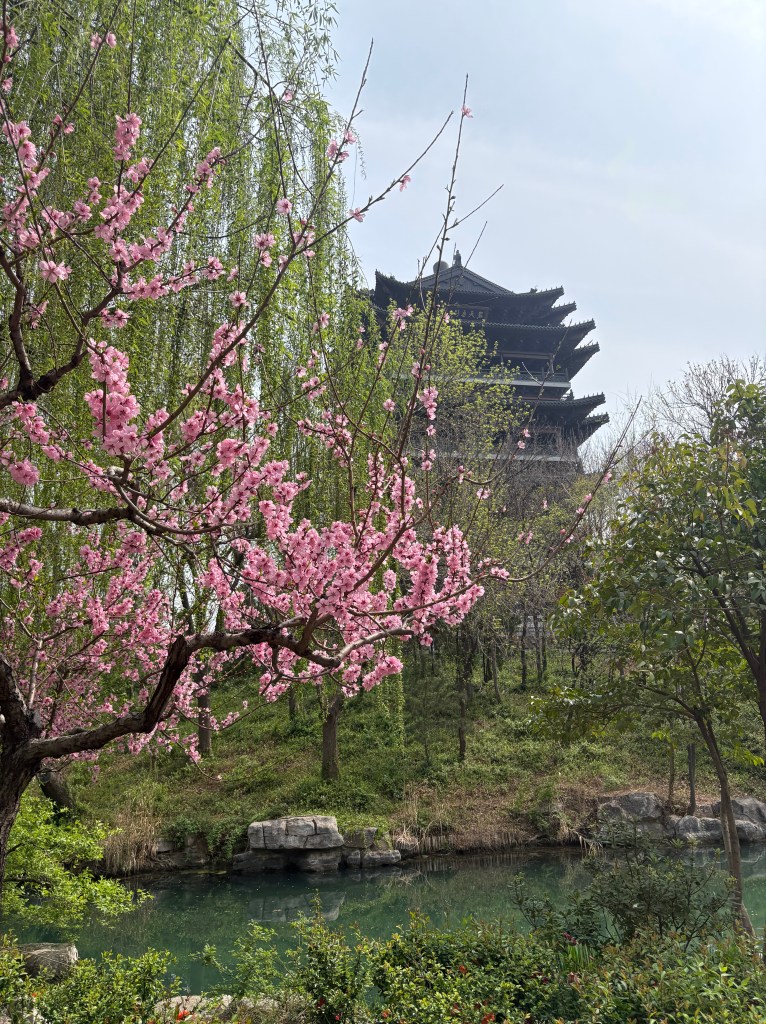
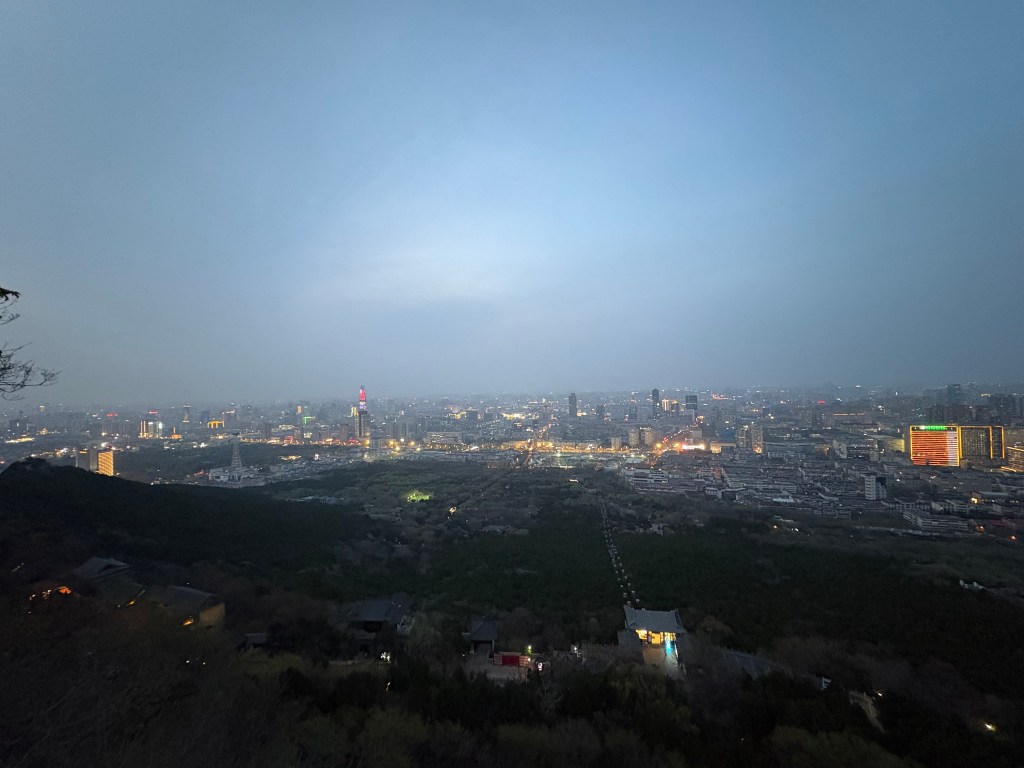
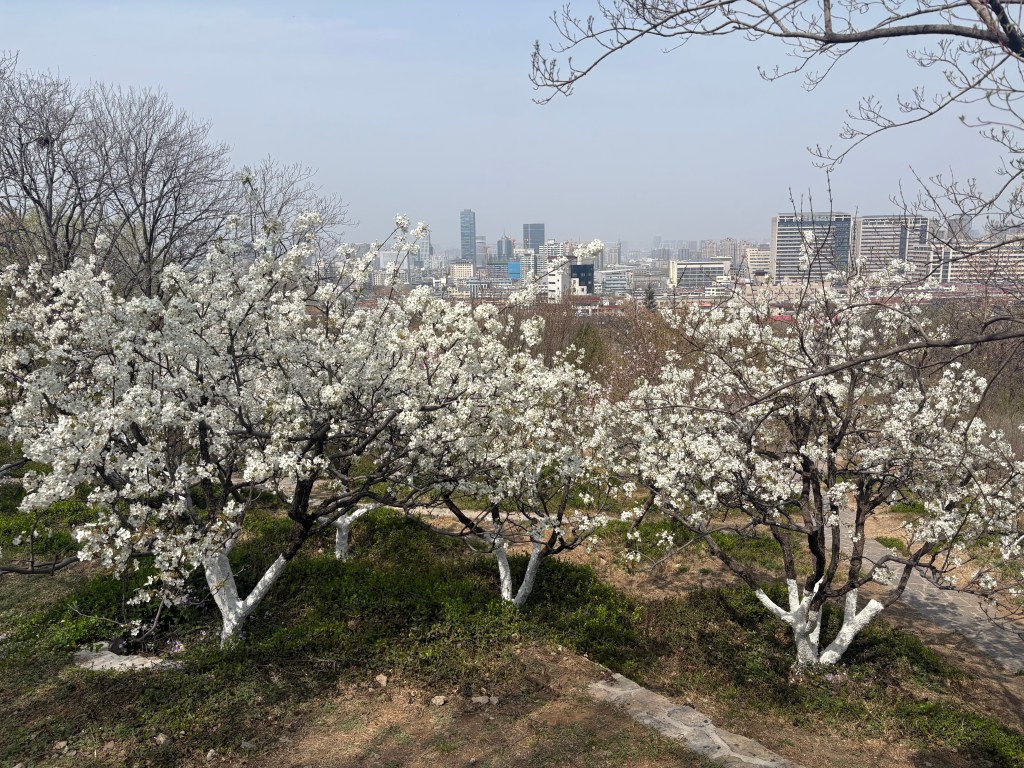
The timing of the trip to Jinan could not have been much better, as the blossoms were just beginning to emerge, making walks around Daming Lake and Thousand Buddha Mountain particularly enjoyable. On many previous visits to Jinan, usually after a few glasses of Bijou, colleagues had suggested visiting Thousand Buddha Mountain at night to enjoy the city views. This time, with a free evening available, I decided to finally do it, notably without the assistance of any Bijou. The park becomes free to enter after 6pm, and arriving just before then, a kind member of staff gestured for me to wait a few minutes until admission became free. I soon found myself among a surprisingly large crowd who clearly had the same idea, ranging from young couples and fitness enthusiasts to people simply out enjoying the evening air. Walking up alone, I managed to reach the summit ahead of much of the crowd and was rewarded with views of sunset and dusk settling over Jinan. It was a cloudy evening, but still a memorable experience and another small item ticked off the Jinan list.
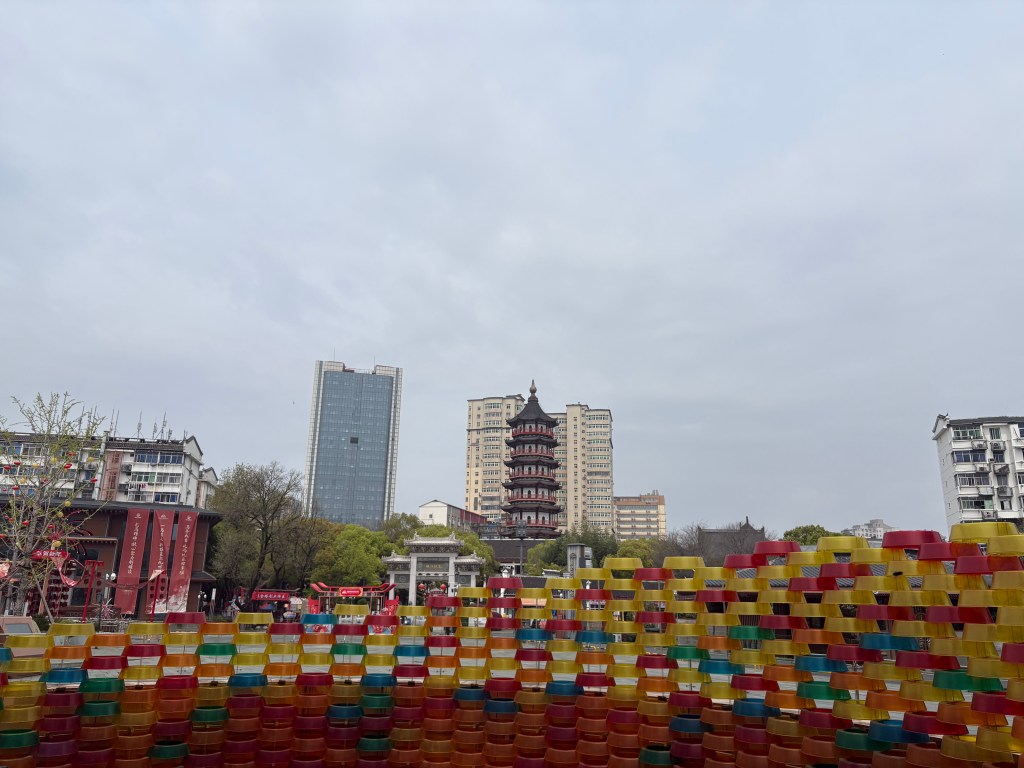
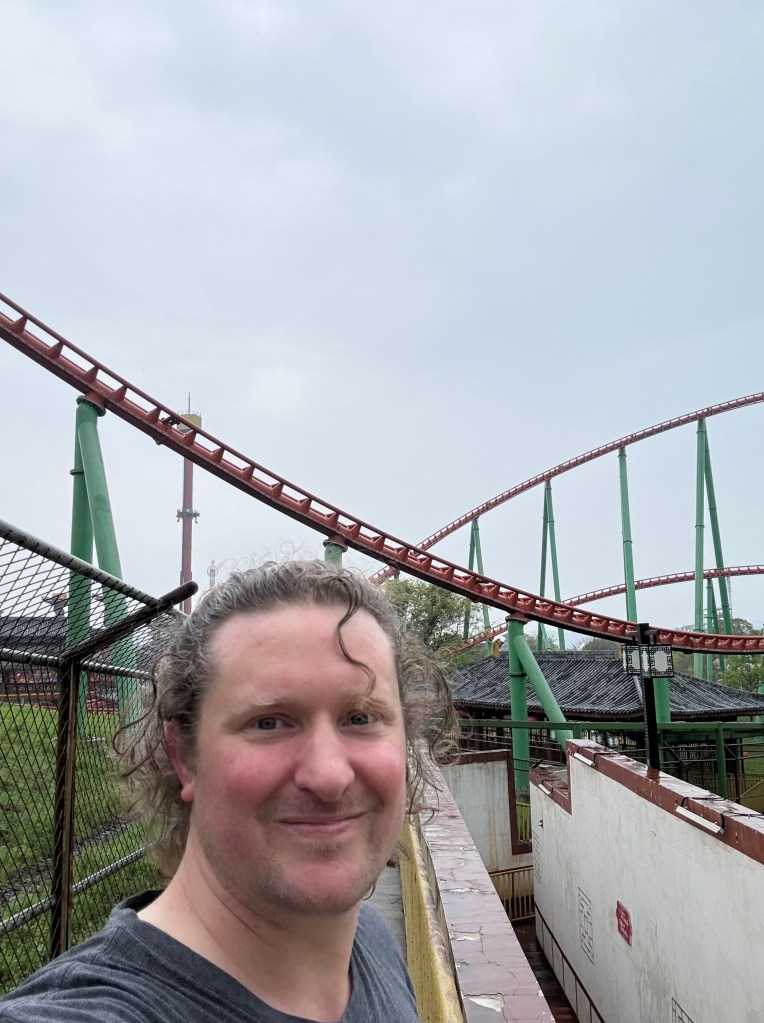
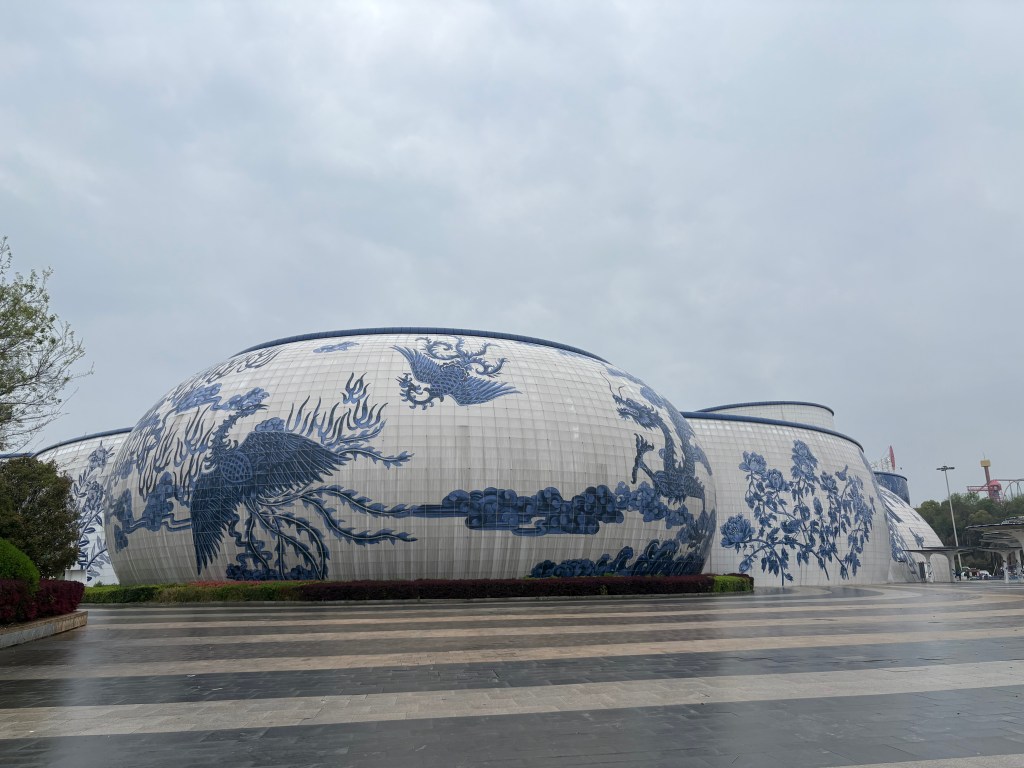
Next came Nanchang, the “Hero City”. Alongside revisiting favourites such as the Nanchang Uprising Memorial Hall, I also managed to explore a couple of places I had not visited before. This time we stayed on the east bank in the Donghu District, which made it easy to visit Shengjin Tower. While interesting to see, it felt somewhat similar to many other pagodas, and the surrounding tourist district, filled with tea shops and restaurants, appeared more commercially constructed than the more organic atmosphere around the Pavilion of Prince Teng. Continuing the theme of modern attractions, another new experience in Nanchang was a visit to Sunac Land (formerly Wanda Park). Marketed as home to some of China’s largest roller coasters and themed zones celebrating local culture, it seemed worth investigating. This was my first visit to a Chinese theme park and it certainly made for an interesting experience. The park operates long hours, seven days a week, but on the drizzly weekday evening I visited it was almost completely empty. Forget short queues, there were moments when it genuinely felt as though there were more staff than visitors. I am sure weekends and better weather bring larger crowds, but at the time it felt as though the park was open simply because that is what theme parks are expected to do, rather than because it was financially worthwhile. Compared with theme parks in Europe and the United States, many of the rides felt noticeably rougher and more unpredictable, although that somehow added to the overall experience. Nearby sits a large porcelain-shaped shopping centre, reflecting Nanchang’s association with porcelain production. Much like the theme park, large sections of it felt unusually quiet, with many retail units repurposed into activity spaces. Together, these attractions offered an interesting glimpse into the presentation of modern domestic tourism and leisure culture in China. While neither was the most spectacular attraction I have visited, both were certainly worthwhile ways to spend a few free hours, particularly given the relatively low cost.