Hangzhou and Jinhua

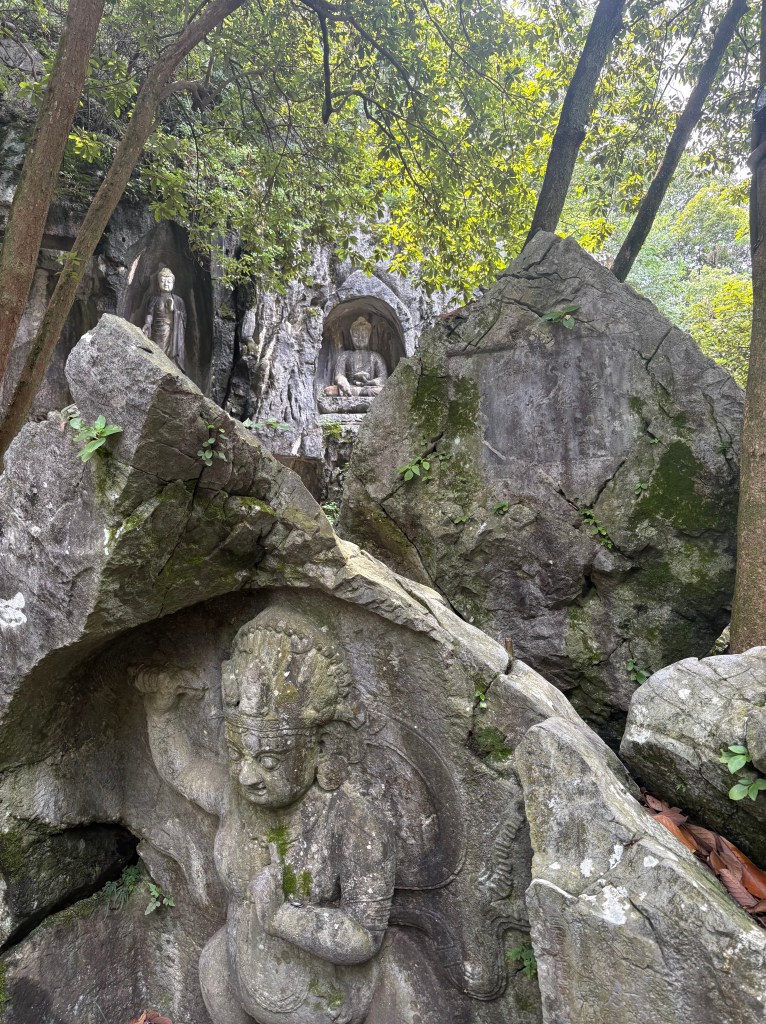
The second part of our trip took us to Zhejiang, with visits to both Hangzhou and Jinhua to see the Zhejiang Normal University campus. Hangzhou was a city I hadn’t visited before, so it was great to finally have the chance to explore. I walked around West Lake, visited Xiangji Temple, and wandered through the historic streets around Hefang. One of the highlights of the weekend was trekking up Lingyin Mountain and exploring the temple complex. I was caught in a torrential rainstorm while up in the mountains, but it didn’t dampen the experience, the afternoon still felt like a peaceful escape just outside the city. Hangzhou offers a wonderful blend of rich culture and tradition, modern infrastructure, and beautiful natural scenery right on its doorstep.
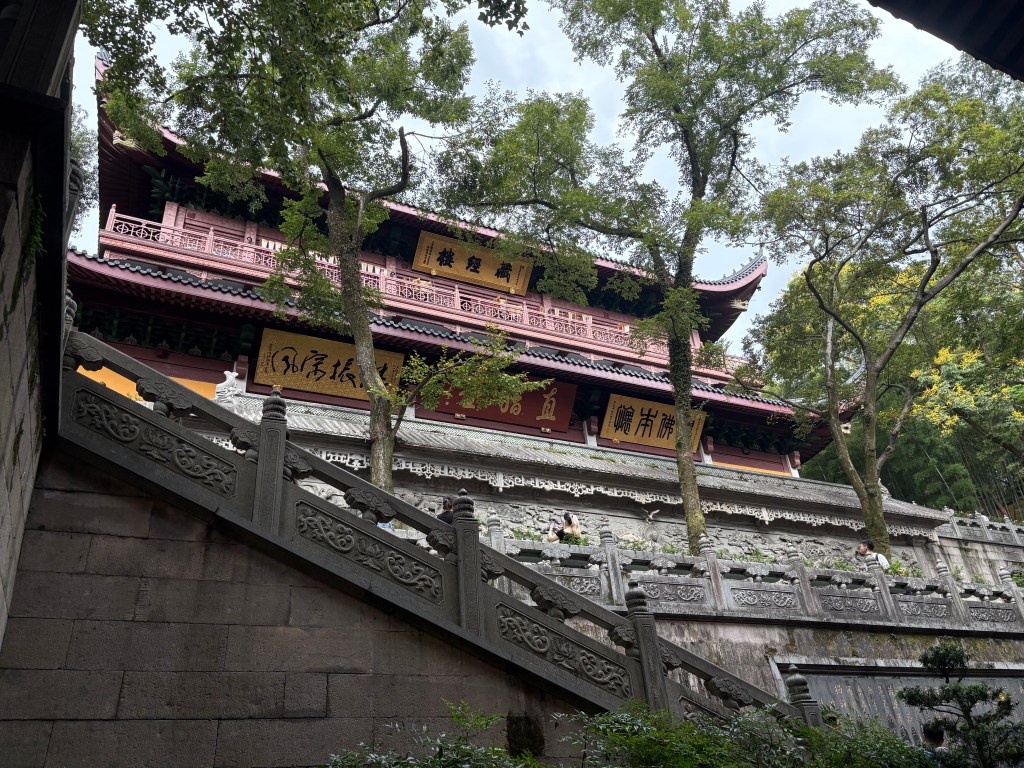
Being in Hangzhou gave me the chance to meet colleagues at Zhejiang University, which hosts the journal Entrepreneurship Education, where I serve on the Editorial Board. I also previously contributed to a book on Comparative Entrepreneurship Education led by colleagues there, but until now we had never met in person. It was therefore a real pleasure to finally visit Zhejiang University and connect with the team face-to-face.
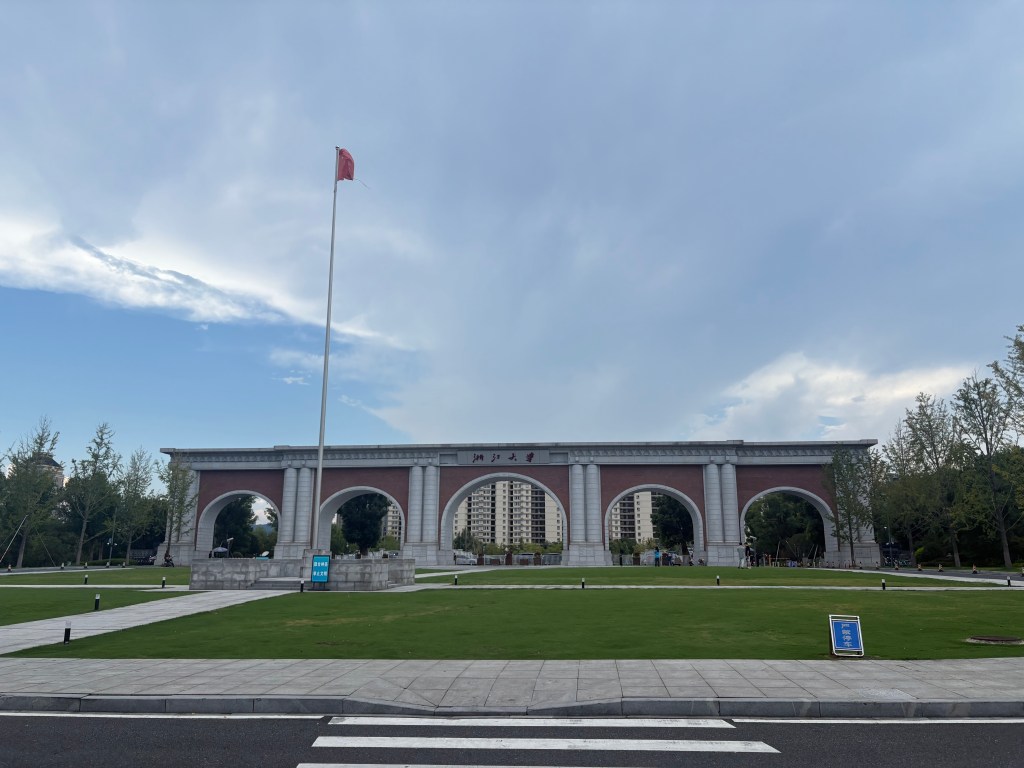
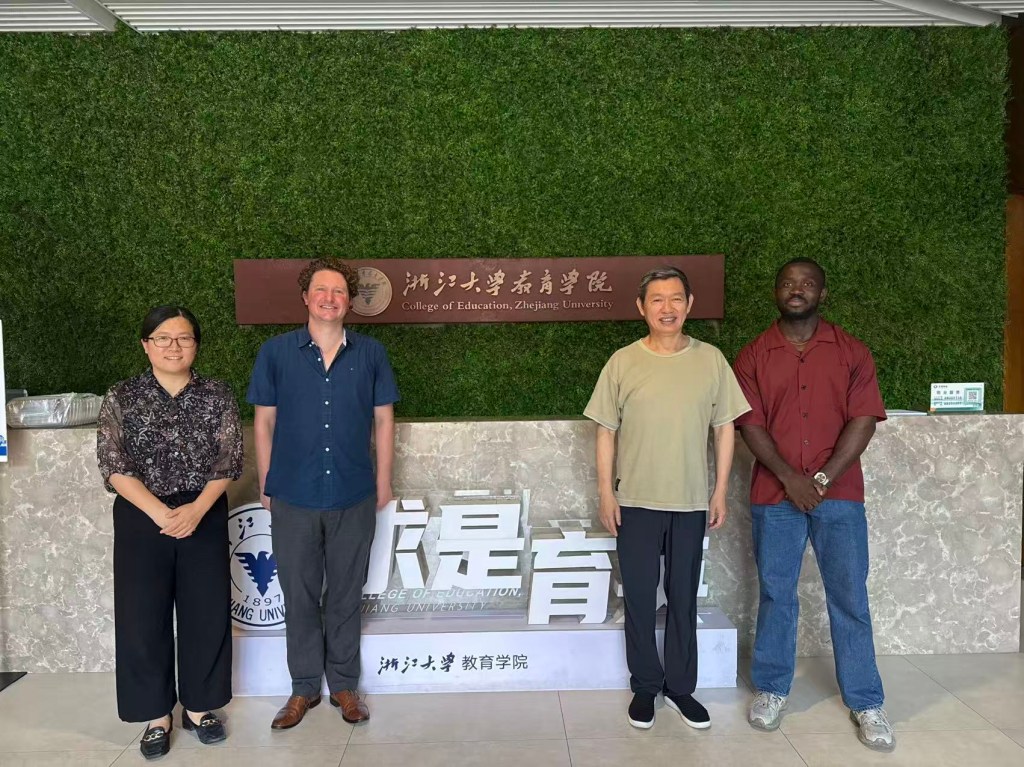
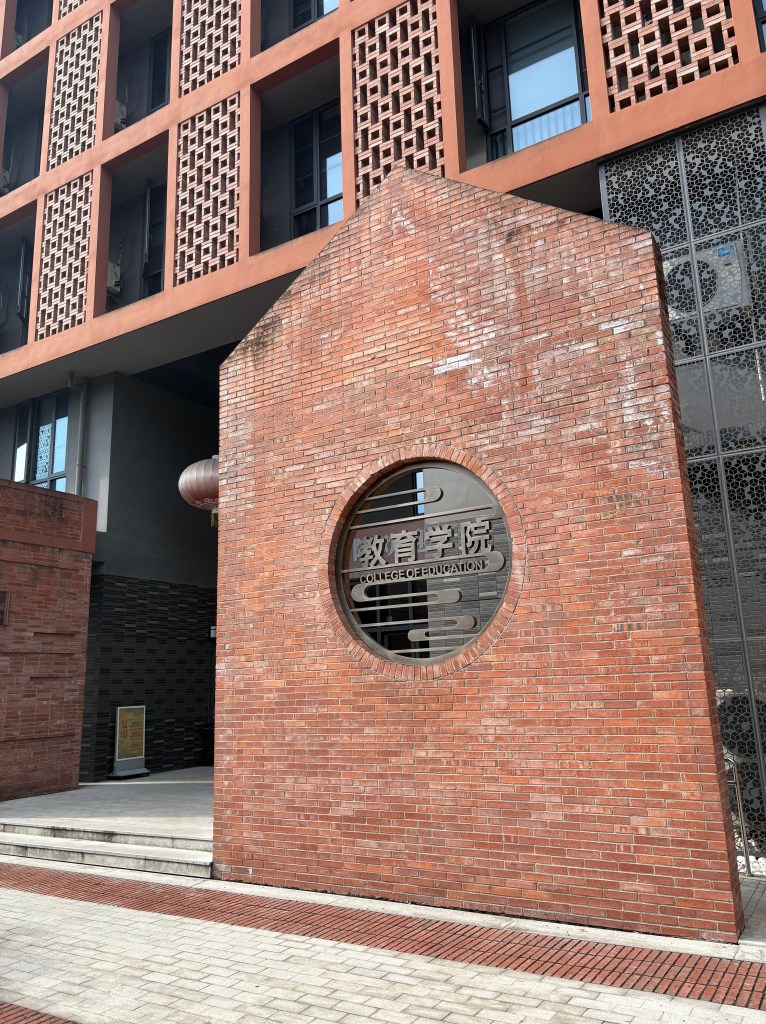
After spending some time exploring Hangzhou, I attended meetings at Zhejiang Normal University’s Hangzhou campus, where we also met with parents of students on our dual-degree programme. From there, we travelled to the main Zhejiang Normal University campus in Jinhua. However, we soon found ourselves back in Hangzhou for an additional induction with a new group of students, which meant a fair bit of zipping back and forth between Jinhua and Hangzhou.

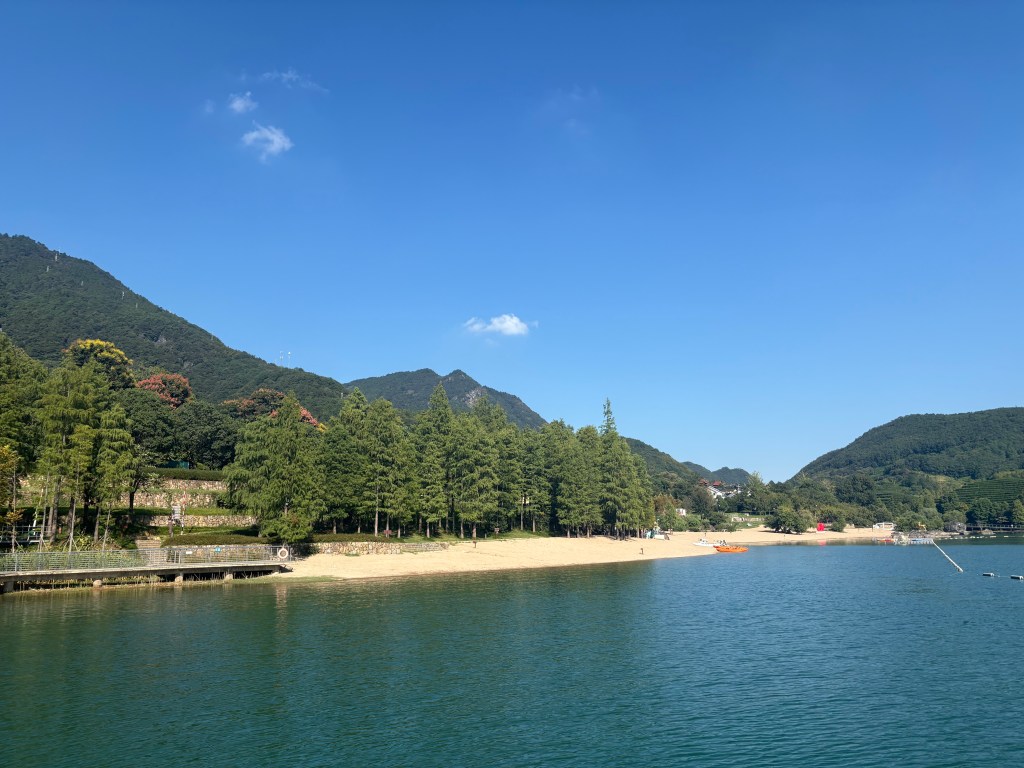
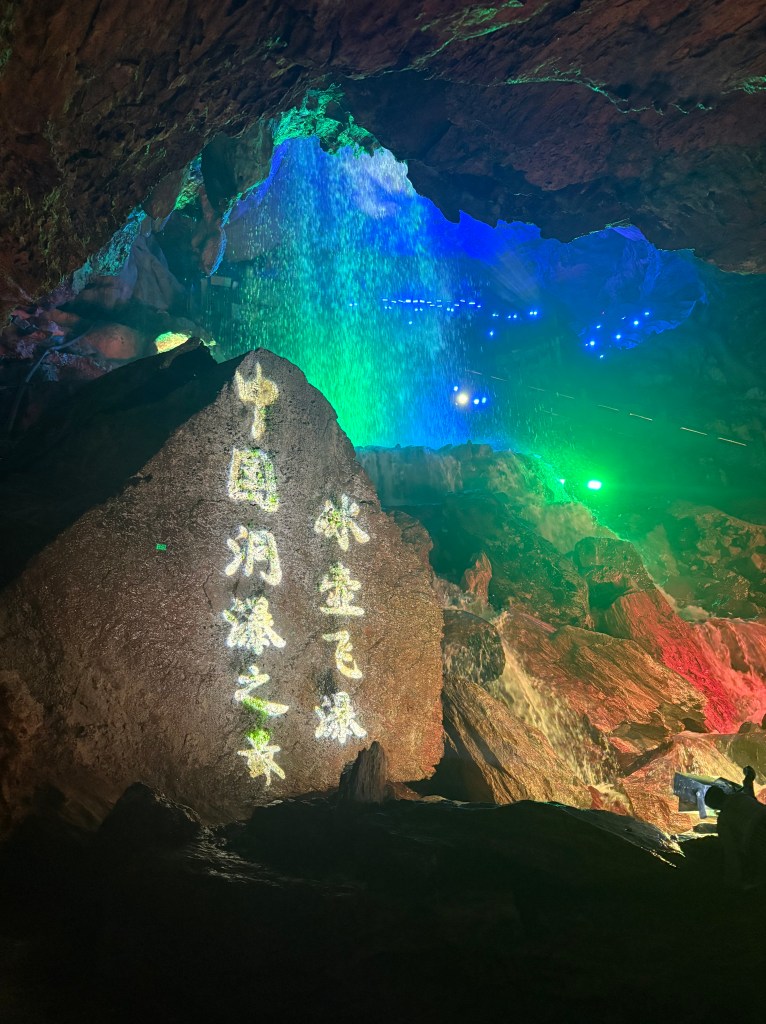
Jinhua is a great city to explore, affordable, easy to navigate, and, like Hangzhou, offering quick access to the surrounding mountains. This gave me the chance to visit the Shuanglong Scenic Area, with its caves, temples, and lakes. I went on a quiet day, which made the visit peaceful and serene; it felt like a completely different side of China compared to the bustling cities we’d been in the week before.

One of the main highlights was the Double-Dragon Cave (Shuanglong Cave), which you enter by lying flat in a small boat to pass through a very low opening, a slightly claustrophobic squeeze before the cavern opens up to reveal beautiful waterfalls inside. Even so, the best part may have been simply walking through the natural landscape around the Lunv Lake, tea plantations, and temples, breathing in the mountain air. It was a memorable and refreshing contrast to the busier parts of the trip. In the evenings, I was able to visit Guzi City (Guzicheng) and Wanfo Pagoda, the historic old town area of Jinhua set along the riverside. This made for a nice break between lesson observations and meetings with our registered lecturers at Zhejiang Normal University.
After leaving Jinhua, we headed to Nanchang for the final leg of our trip to visit Nanchang Hangkong University.
Shanghai and Jinan  

September brought a bonus trip to China. With several programme changes and negotiations underway across our China partnerships, I had the opportunity to visit our existing MoE dual-degree partners, explore potential new collaborations, and meet with research colleagues. Given the current restrictions and freezes on conference budgets, I’m grateful that these visits still allow me to connect meaningfully with colleagues and maintain research links.

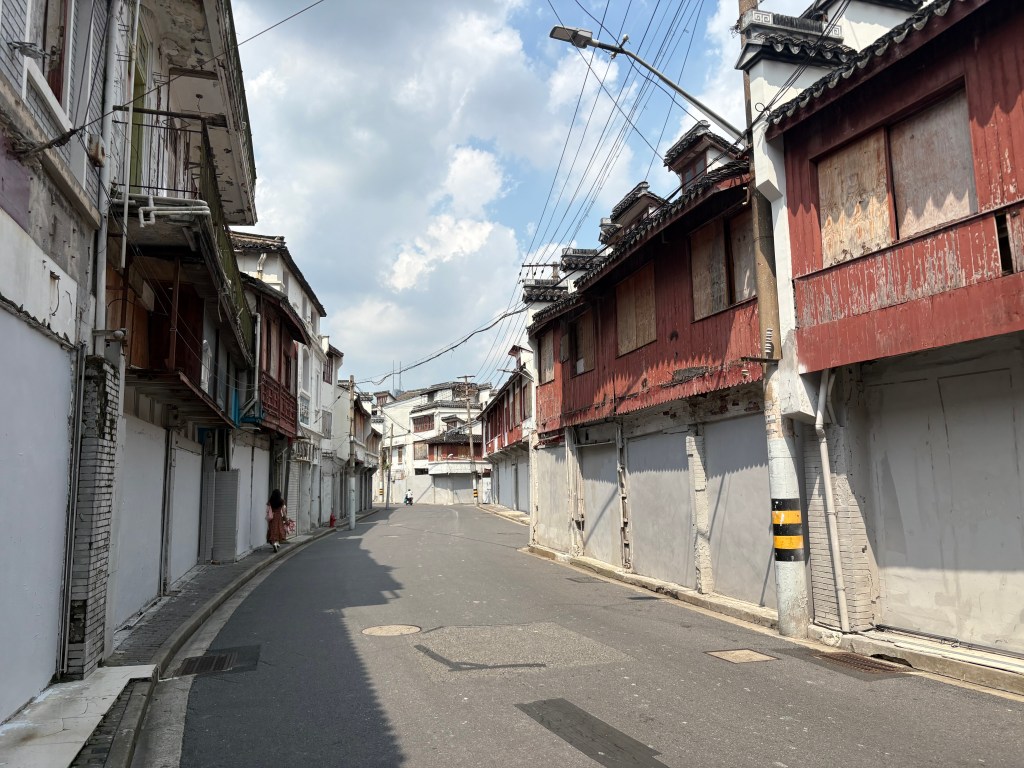
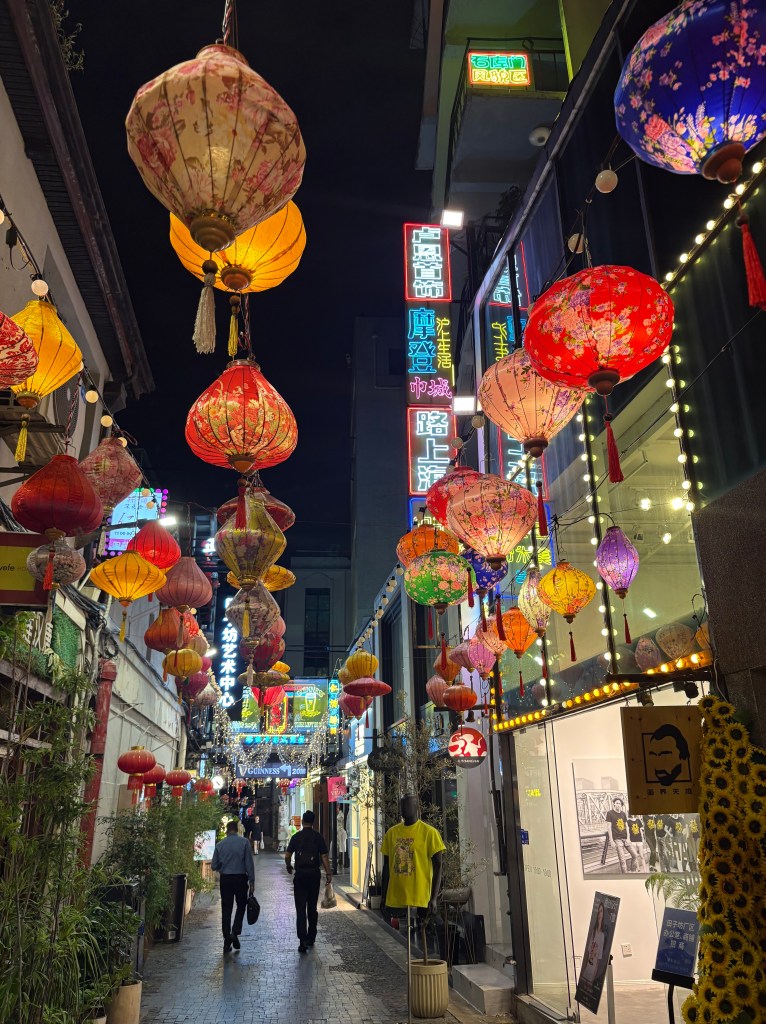
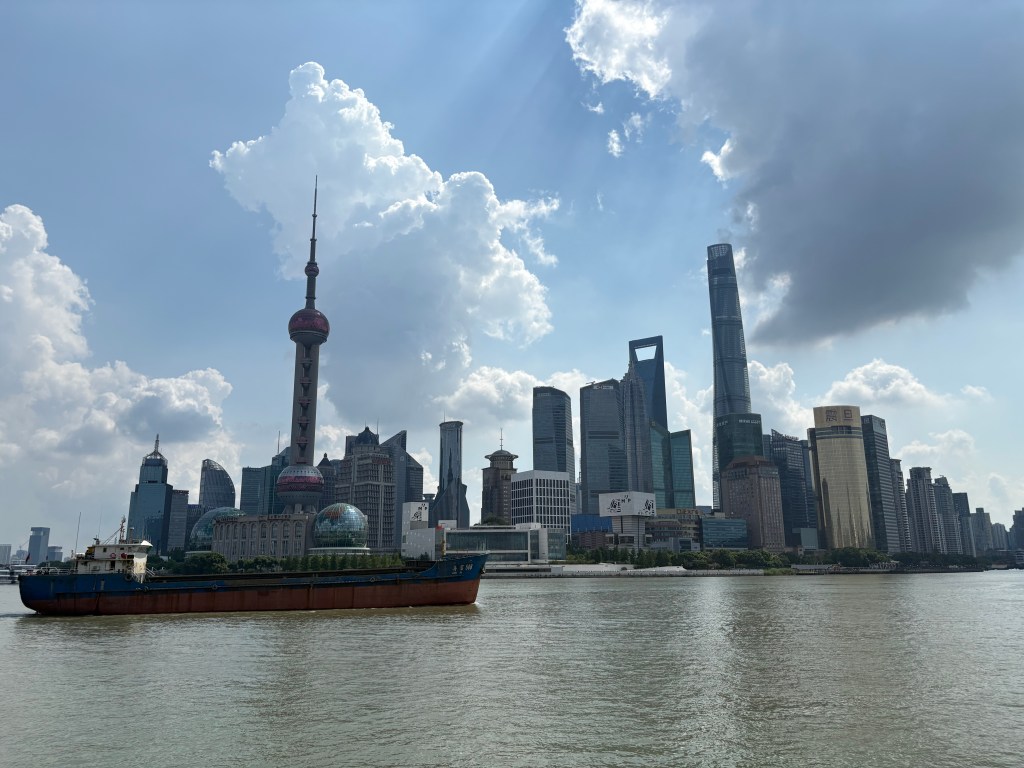
Although the trip to China largely mirrored my previous visit, the order was reversed, meaning we began in the south. This meant flying into and starting in Shanghai rather than Beijing. As a result, I wasn’t able to revisit my usual Beijing haunts. However, despite passing through Shanghai many times over the past few years, I haven’t actually spent any real time there since leaving China in 2017. Having a few nights in Shanghai was therefore very welcome, giving me the chance to explore the city again. My three nights in Shanghai were reduced to two after a missed connection in Frankfurt, but it was still enough time to visit the French Quarter for a drink, walk along The Bund, and explore Shanghai Old City. I was surprised to find much of the Old City boarded up for large-scale redevelopment, so it didn’t have the buzz I was expecting, though the City God Temple remains, alongside some of the newer developments. After my bit of sightseeing, I headed to East China Normal University for meetings.

Next it was off to Jinan and the Shandong University of Science and Technology—the partner I know best and have spent the most time with. Being back meant I could visit my ‘Beer Man’, who, amazingly, still remembers me and my usual order. While there, we attended the formal opening ceremony and met parents. The ceremony required a white shirt, which led to a quick dash to the market, as I generally avoid packing white shirts—especially for month-long trips. Because I know Jinan so well, I was able to make the most of my evenings, wandering around the springs, Daming Lake, and Thousand Buddha Mountain.

After Jinan we headed to Zhejiang to visit Hangzhou and Jinhua.

Shandong, Nanjing, and Nanchang

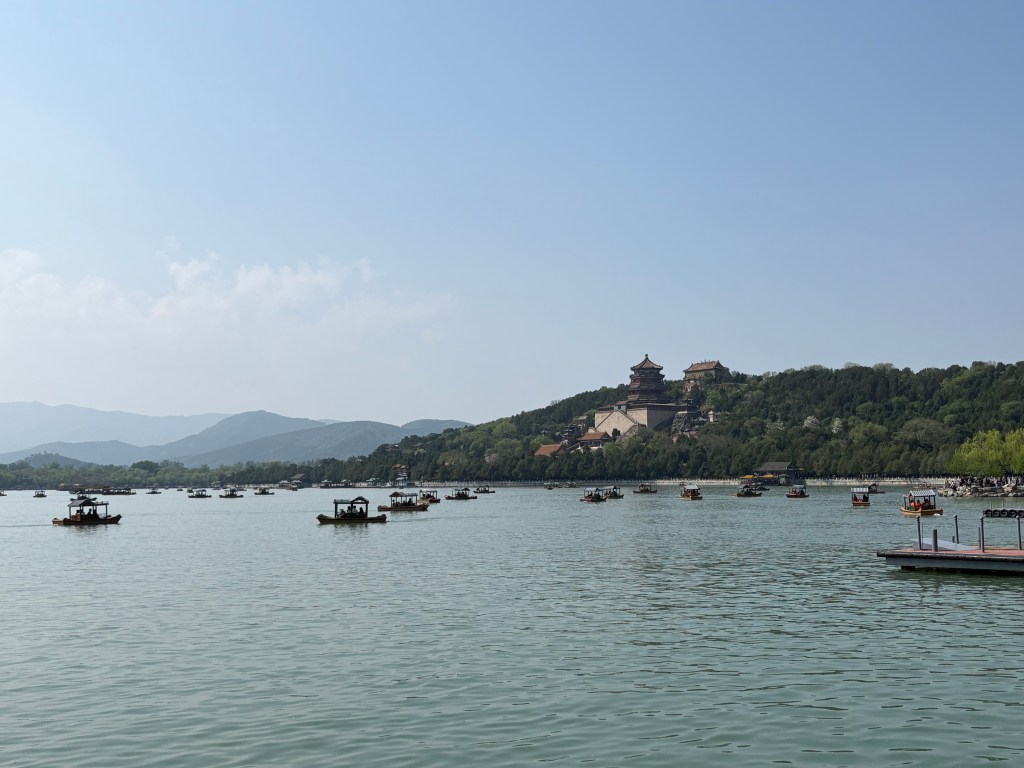
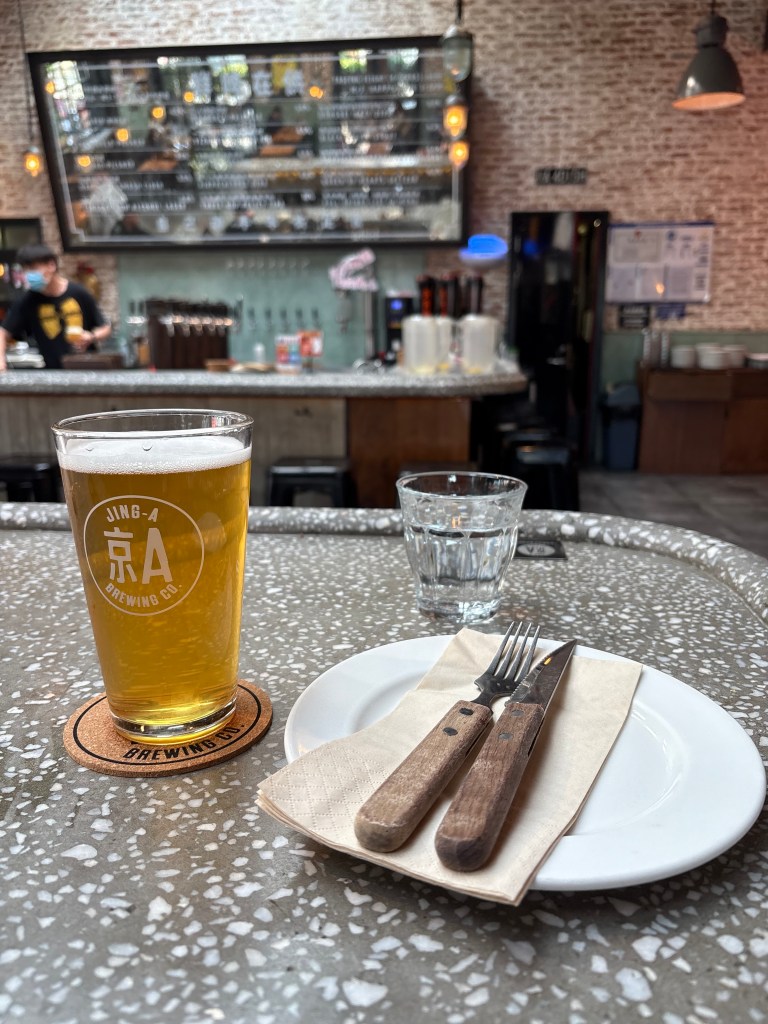
Another year, another visit to China. My excursions to China have become far less regular than they were prior to Covid, moving away from near monthly trips. This makes each journey more intriguing and provides a time to reflect more on each trip. This trip included visits to Shandong University of Science & Technology and Nanchang Hangkong University, but first I spent some time in some of my favourite haunts in Beijing. On the afternoon of my arrival, I went to the Old and New Summer Palaces, as well as Houhai Lake. During the walk, I stopped by Jing-A to reminisce about Friday nights in the past, as well as the new Slow Boat in Liangmaqiao, which did not exist when I lived there. 

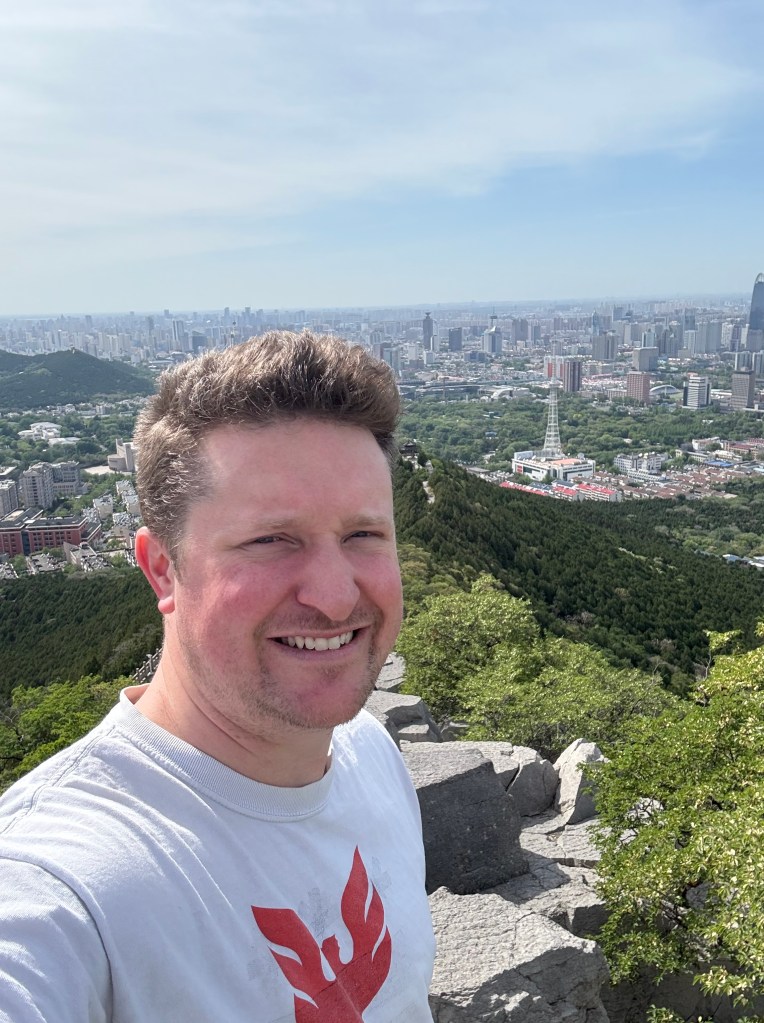
Following my time in Beijing, I travelled to Jinan to spend five days at Shandong University of Science & Technology. I’d been to Jinan numerous times before, but I tried to make time for activities I had done less often. This includes a full loop around Daming Lake and a walk to the summit of Thousand Buddha Mountain in Qianfoshan National Park. When I reached the top of the mountain, I took the luge down through the park. After a few meetings and sessions, it was offered to Nanchang via Nanjing.

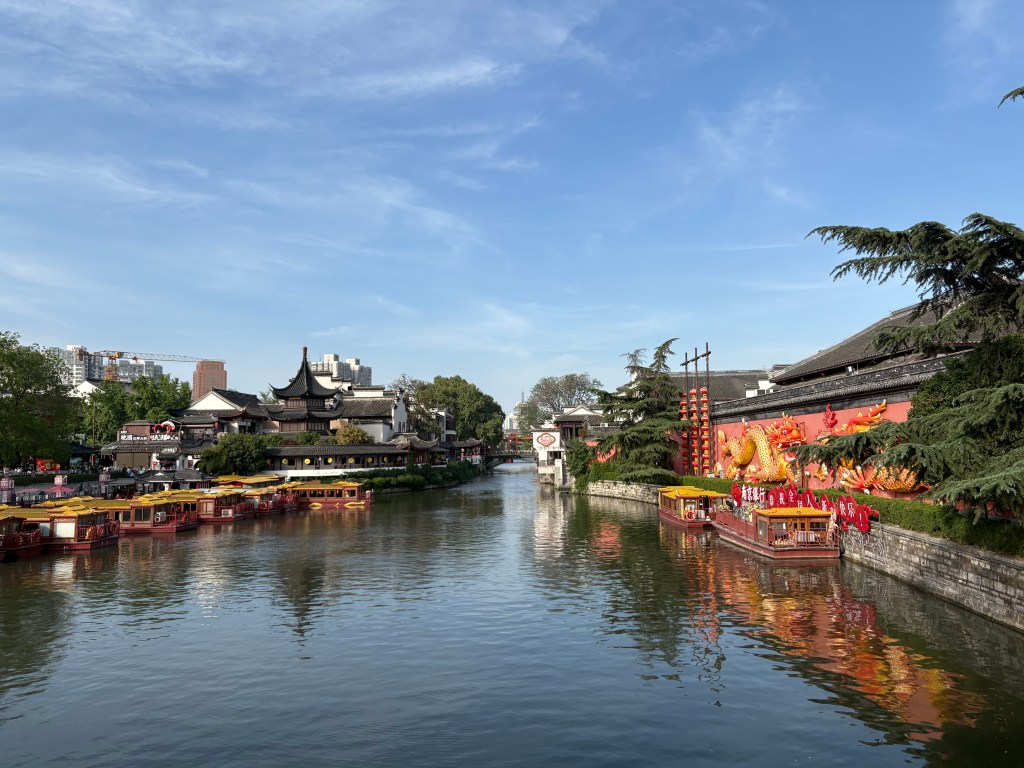
The one-night stop in Nanjing was carefully arranged to not only break up the route but also to allow me to meet up with my friend and colleague, Jun Cui. This allowed us to discuss revisions to the current paper we’re working on as well as potential future projects. After a quick lap around a few landmarks in Nanjing, it was back on the train to Nanchang.

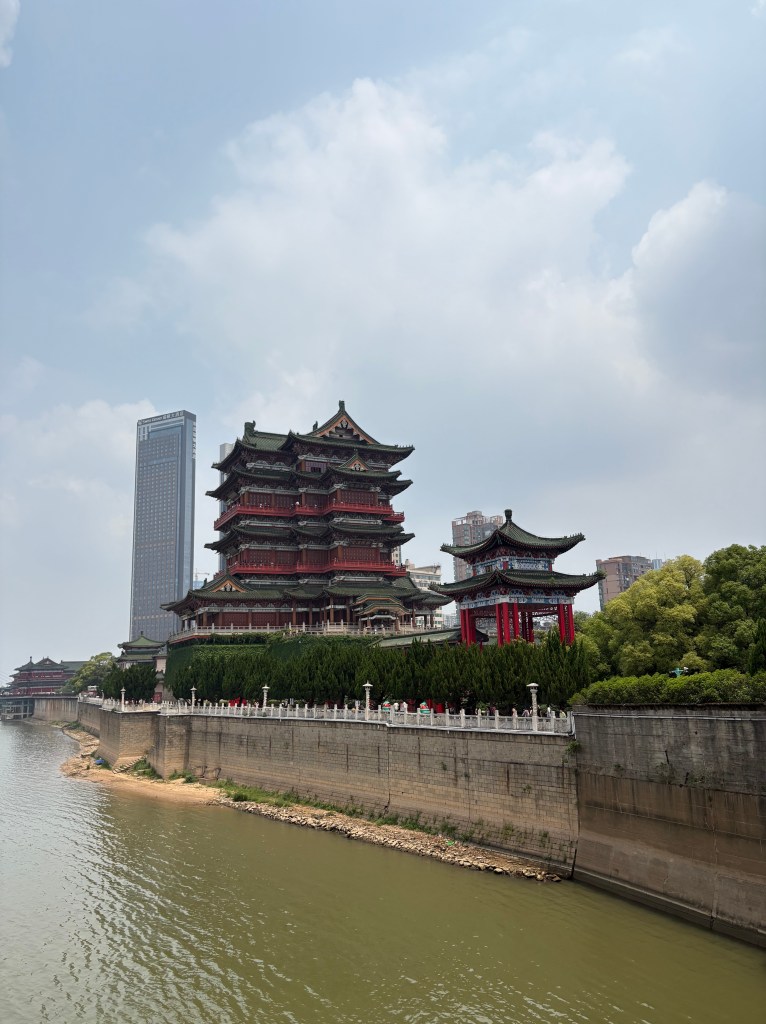
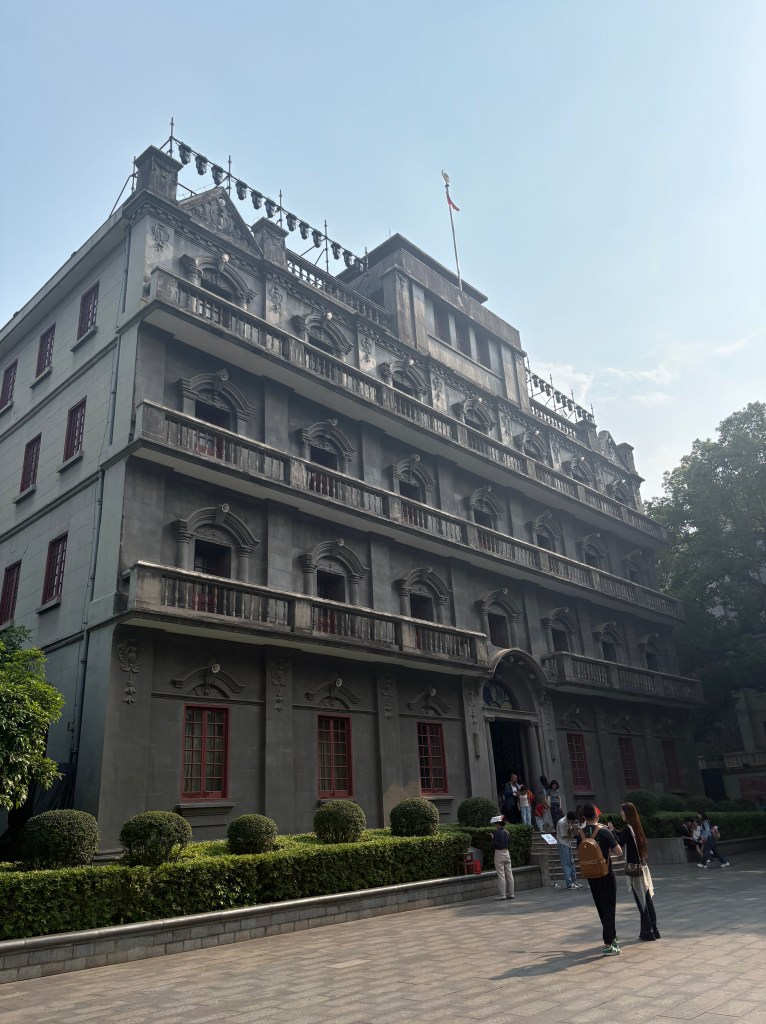
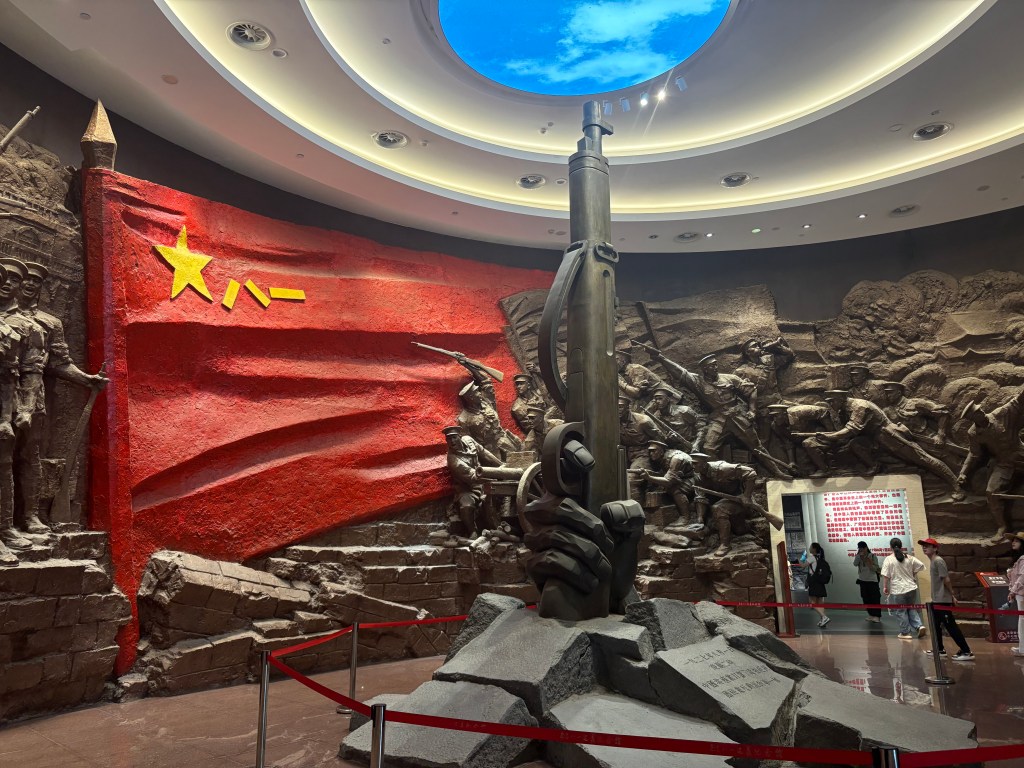
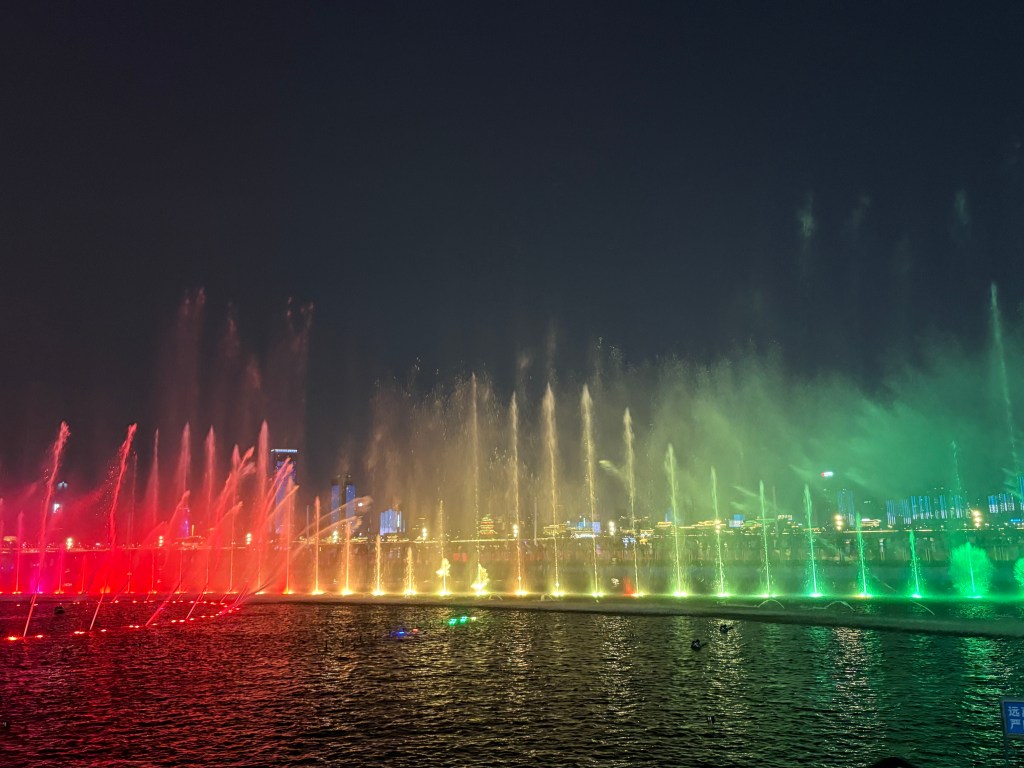
Once in Nanchang there was lots of sights to explore alongside meetings. This included visiting the Tengwang Pavilion, one of the Three Great Towers of Southern China, Bayi Square, and August 1st Nanchang Uprising Memorial Museum. The Uprising Memorial was particularly interesting to visit the former Jiangxi Grand Hotel where the founding of the People’s Liberation Army is considered to have taken place and tour the museum next door to learn about the history.  One evening we were able to take a stroll along the Gan River and watch the fountains at Autumn Water Square. Once finished in Nanchang it was off to Shanghai to fly back to London.