Dublin Keynote

October was a busy month for travel, with DBA teaching in Bielefeld and a trip to Istanbul, but a real highlight was the opportunity to deliver a keynote on entrepreneurship education and AI at the Entrepreneurship Education Share and Learn Symposium hosted by Dublin Technological University. AI in entrepreneurship education has developed rapidly in recent years, and it has been interesting to watch the field progress since my early work in the area, when I published the first paper on AI and entrepreneurship education in an established journal. Editing a forthcoming case collection book on AI and entrepreneurship has also provided valuable insights into how AI is being used in practice and what this means for teaching, which I was delighted to share.

My keynote explored how artificial intelligence is reshaping both entrepreneurship and entrepreneurship education. I discussed why students now need to understand AI’s influence on opportunity recognition, innovation processes, and decision-making, as well as the ethical and governance challenges it presents. The session examined the core competencies entrepreneurship students now require, including data literacy, digital fluency, prompt engineering, and the ability to critically evaluate AI-generated outputs.

I also highlighted how the subjective and non-linear nature of AI reinforces the value of constructivist and reflective approaches to teaching, helping learners to question, interpret, and apply AI responsibly. Finally, I explored why entrepreneurship educators are uniquely positioned to embed AI into the curriculum and prepare students for an entrepreneurial landscape increasingly shaped by AI-driven tools and capabilities.

Unfortunately, I was too busy during the event to take any photos, but I did manage to capture a few during my short time exploring Dublin. And, amusingly, the Christmas displays were already up, despite it being the end of October.

Hangzhou and Jinhua

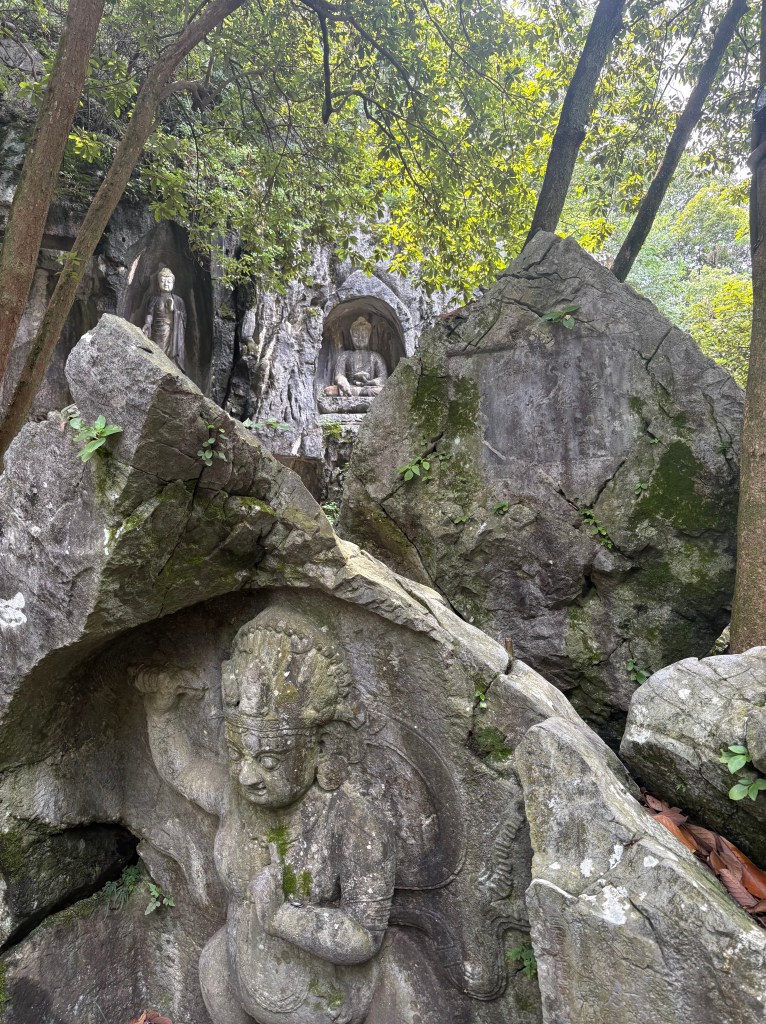
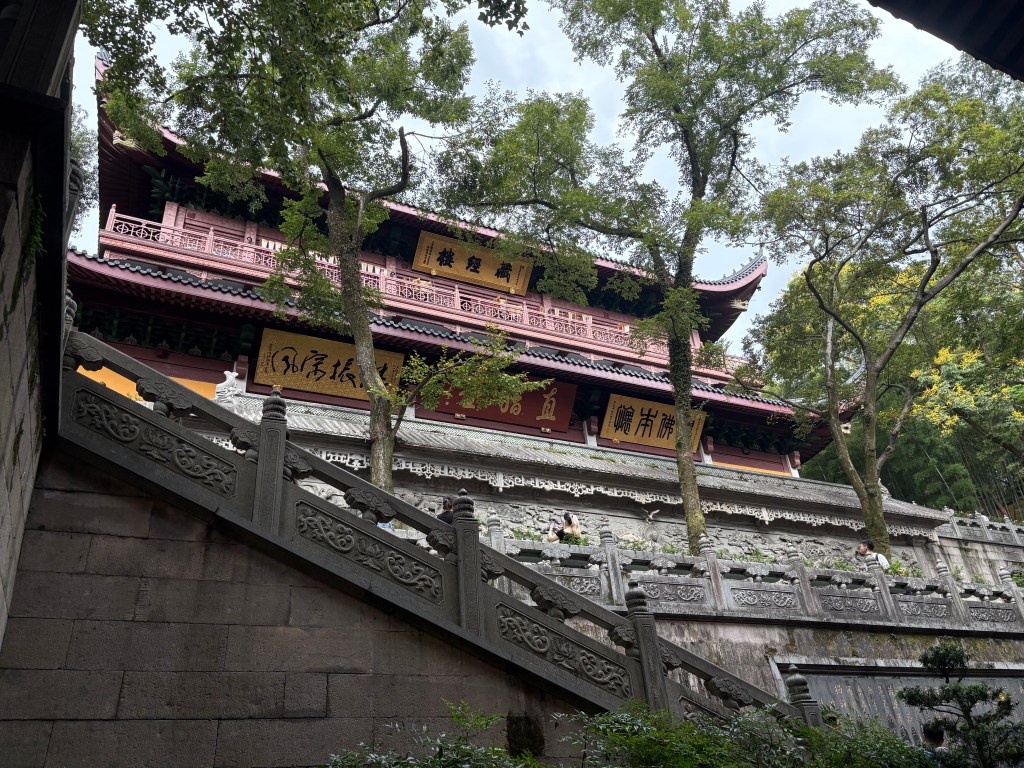
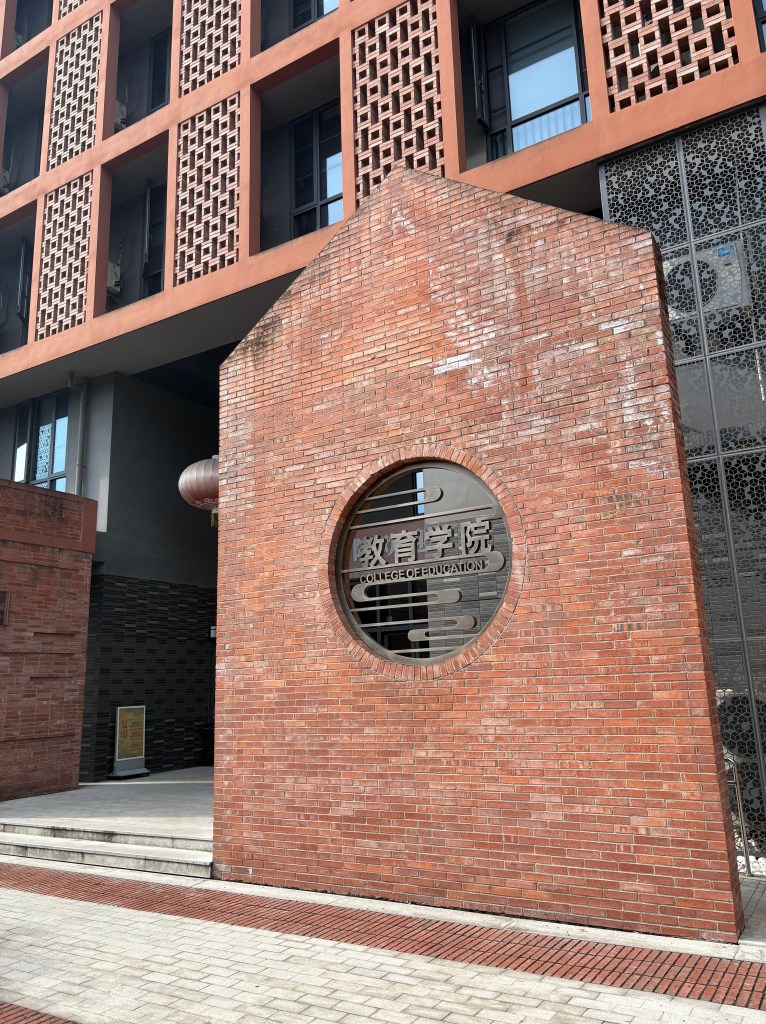
The second part of our trip took us to Zhejiang, with visits to both Hangzhou and Jinhua to see the Zhejiang Normal University campus. Hangzhou was a city I hadn’t visited before, so it was great to finally have the chance to explore. I walked around West Lake, visited Xiangji Temple, and wandered through the historic streets around Hefang. One of the highlights of the weekend was trekking up Lingyin Mountain and exploring the temple complex. I was caught in a torrential rainstorm while up in the mountains, but it didn’t dampen the experience, the afternoon still felt like a peaceful escape just outside the city. Hangzhou offers a wonderful blend of rich culture and tradition, modern infrastructure, and beautiful natural scenery right on its doorstep.

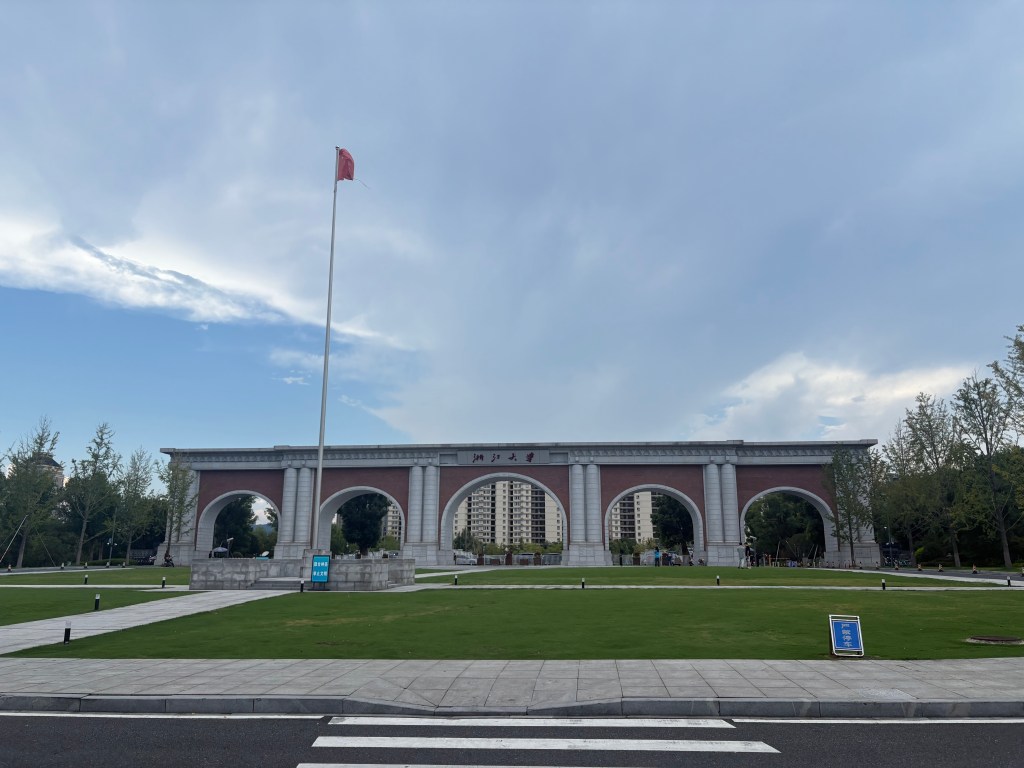
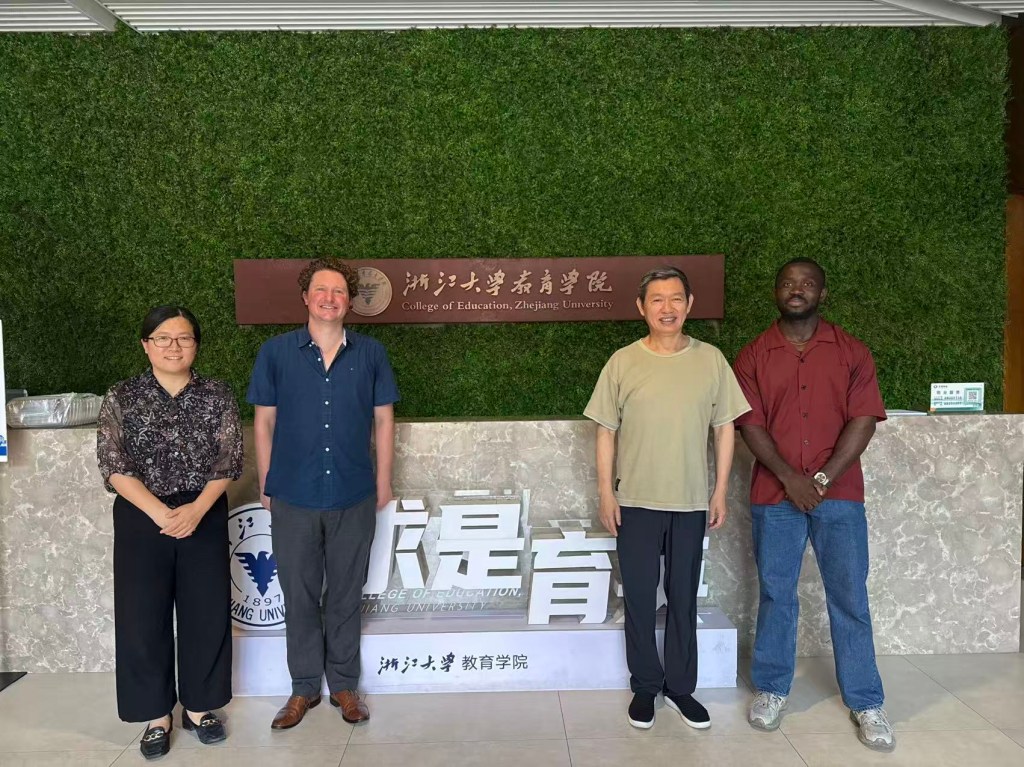
Being in Hangzhou gave me the chance to meet colleagues at Zhejiang University, which hosts the journal Entrepreneurship Education, where I serve on the Editorial Board. I also previously contributed to a book on Comparative Entrepreneurship Education led by colleagues there, but until now we had never met in person. It was therefore a real pleasure to finally visit Zhejiang University and connect with the team face-to-face.

After spending some time exploring Hangzhou, I attended meetings at Zhejiang Normal University’s Hangzhou campus, where we also met with parents of students on our dual-degree programme. From there, we travelled to the main Zhejiang Normal University campus in Jinhua. However, we soon found ourselves back in Hangzhou for an additional induction with a new group of students, which meant a fair bit of zipping back and forth between Jinhua and Hangzhou.

Jinhua is a great city to explore, affordable, easy to navigate, and, like Hangzhou, offering quick access to the surrounding mountains. This gave me the chance to visit the Shuanglong Scenic Area, with its caves, temples, and lakes. I went on a quiet day, which made the visit peaceful and serene; it felt like a completely different side of China compared to the bustling cities we’d been in the week before.

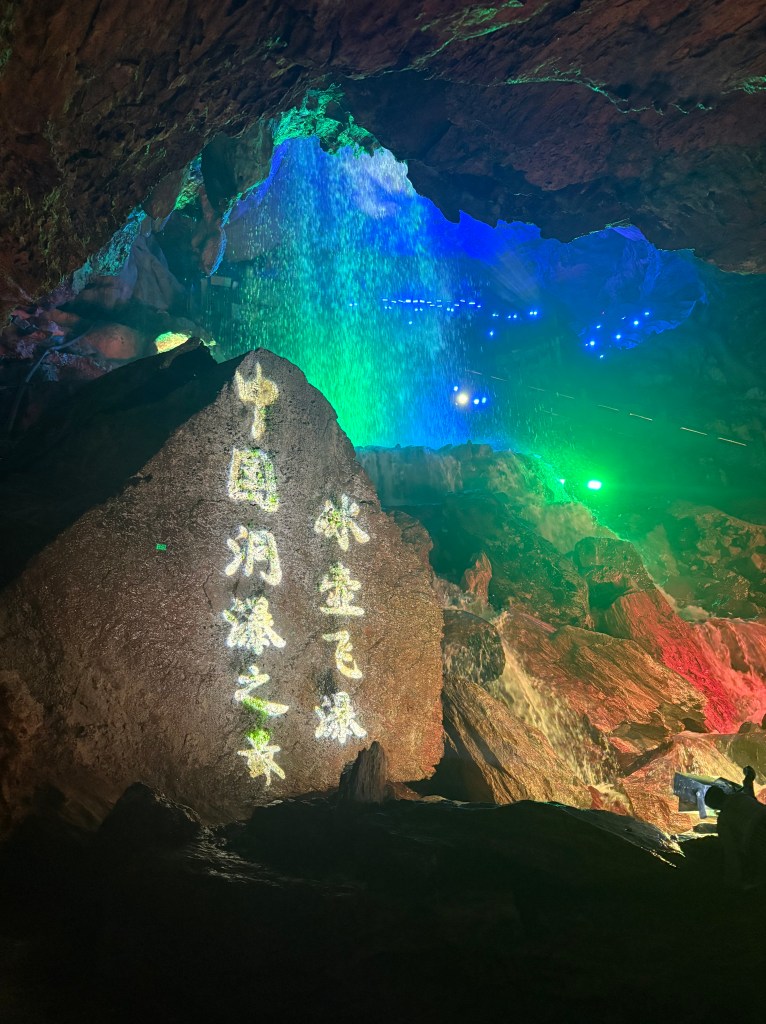
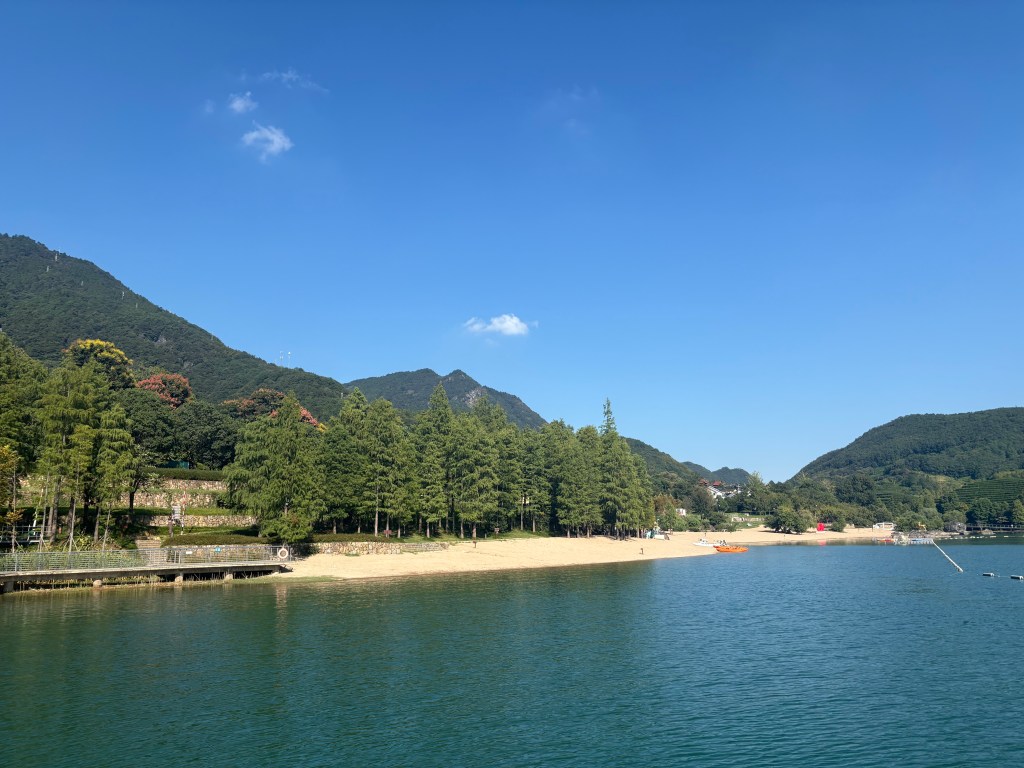
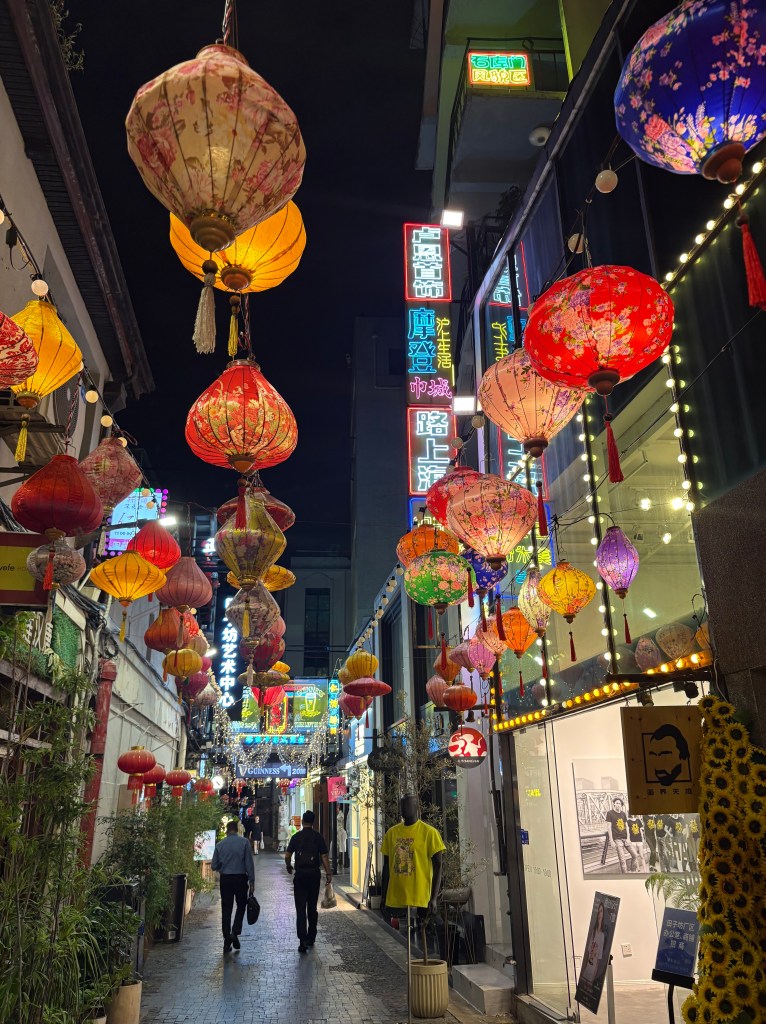
One of the main highlights was the Double-Dragon Cave (Shuanglong Cave), which you enter by lying flat in a small boat to pass through a very low opening, a slightly claustrophobic squeeze before the cavern opens up to reveal beautiful waterfalls inside. Even so, the best part may have been simply walking through the natural landscape around the Lunv Lake, tea plantations, and temples, breathing in the mountain air. It was a memorable and refreshing contrast to the busier parts of the trip. In the evenings, I was able to visit Guzi City (Guzicheng) and Wanfo Pagoda, the historic old town area of Jinhua set along the riverside. This made for a nice break between lesson observations and meetings with our registered lecturers at Zhejiang Normal University.

After leaving Jinhua, we headed to Nanchang for the final leg of our trip to visit Nanchang Hangkong University.

Shanghai and Jinan  

September brought a bonus trip to China. With several programme changes and negotiations underway across our China partnerships, I had the opportunity to visit our existing MoE dual-degree partners, explore potential new collaborations, and meet with research colleagues. Given the current restrictions and freezes on conference budgets, I’m grateful that these visits still allow me to connect meaningfully with colleagues and maintain research links.

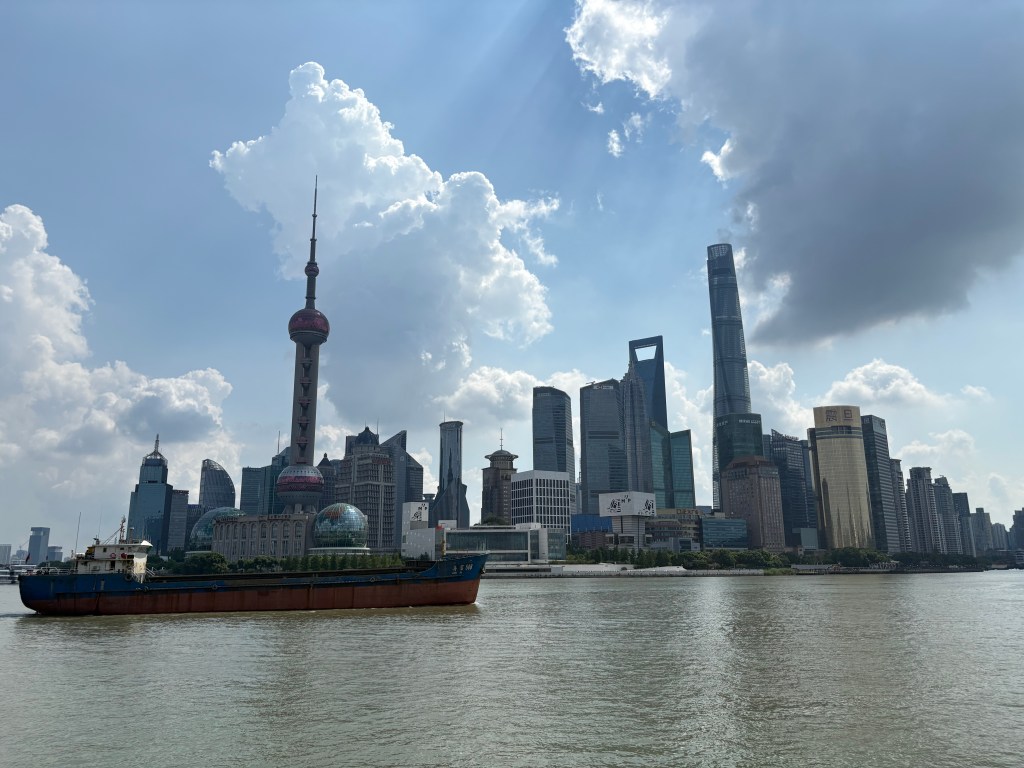
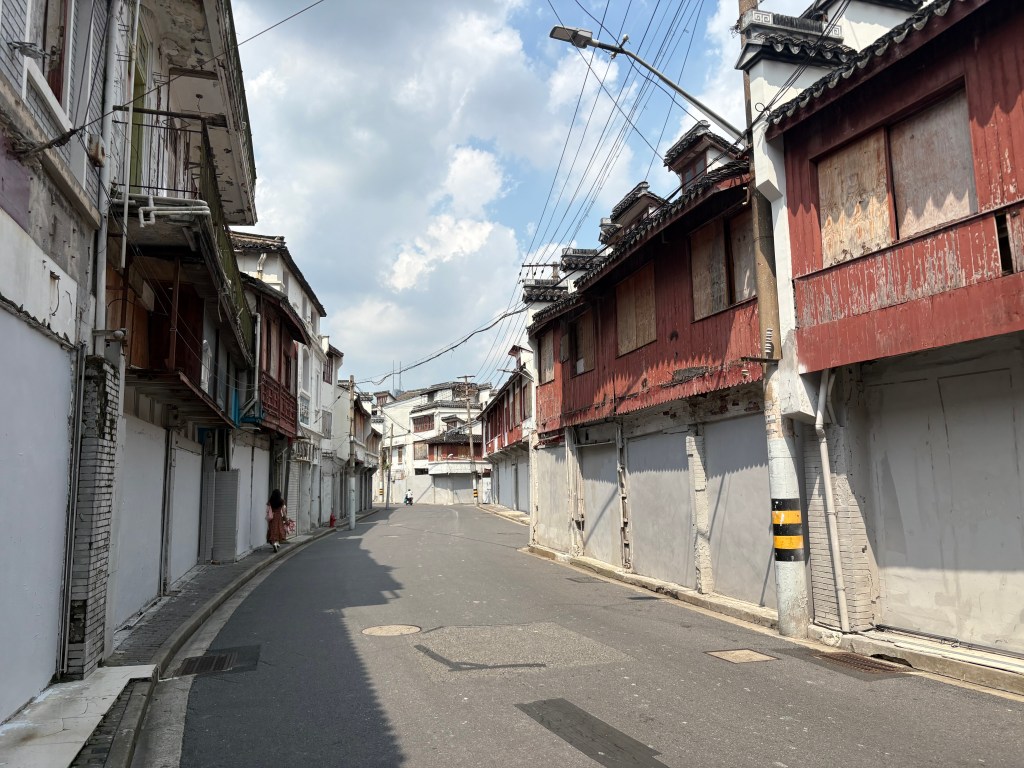
Although the trip to China largely mirrored my previous visit, the order was reversed, meaning we began in the south. This meant flying into and starting in Shanghai rather than Beijing. As a result, I wasn’t able to revisit my usual Beijing haunts. However, despite passing through Shanghai many times over the past few years, I haven’t actually spent any real time there since leaving China in 2017. Having a few nights in Shanghai was therefore very welcome, giving me the chance to explore the city again. My three nights in Shanghai were reduced to two after a missed connection in Frankfurt, but it was still enough time to visit the French Quarter for a drink, walk along The Bund, and explore Shanghai Old City. I was surprised to find much of the Old City boarded up for large-scale redevelopment, so it didn’t have the buzz I was expecting, though the City God Temple remains, alongside some of the newer developments. After my bit of sightseeing, I headed to East China Normal University for meetings.

Next it was off to Jinan and the Shandong University of Science and Technology—the partner I know best and have spent the most time with. Being back meant I could visit my ‘Beer Man’, who, amazingly, still remembers me and my usual order. While there, we attended the formal opening ceremony and met parents. The ceremony required a white shirt, which led to a quick dash to the market, as I generally avoid packing white shirts—especially for month-long trips. Because I know Jinan so well, I was able to make the most of my evenings, wandering around the springs, Daming Lake, and Thousand Buddha Mountain.

After Jinan we headed to Zhejiang to visit Hangzhou and Jinhua.

British Council Panel, Ankara and the Anıtkabir

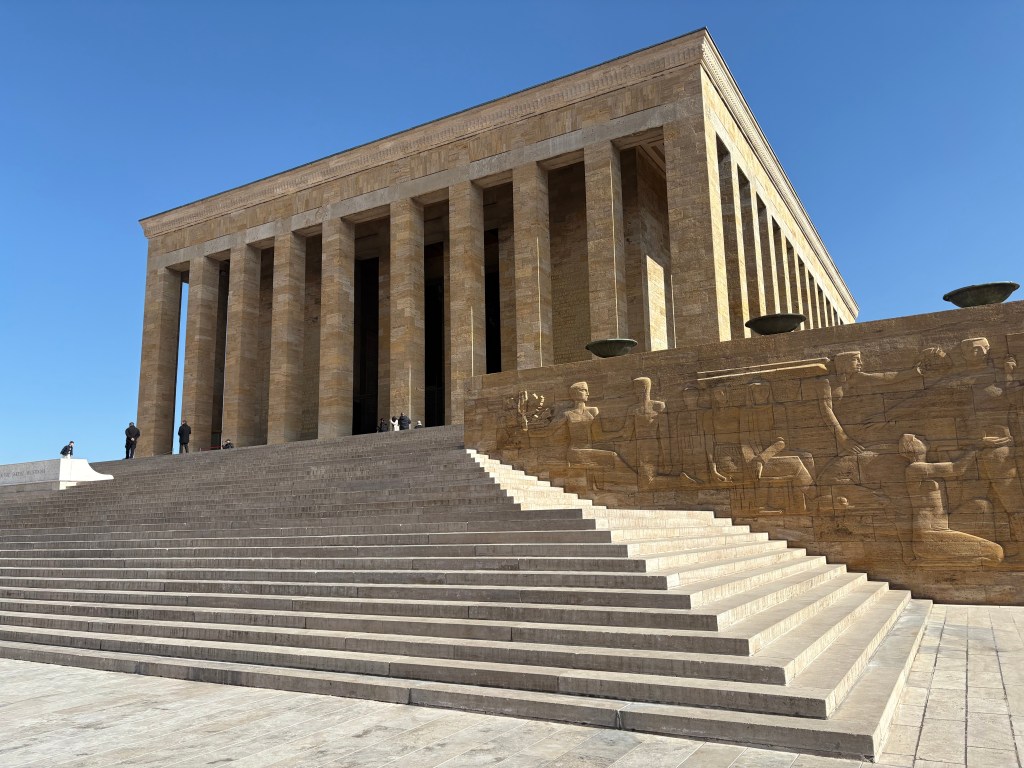
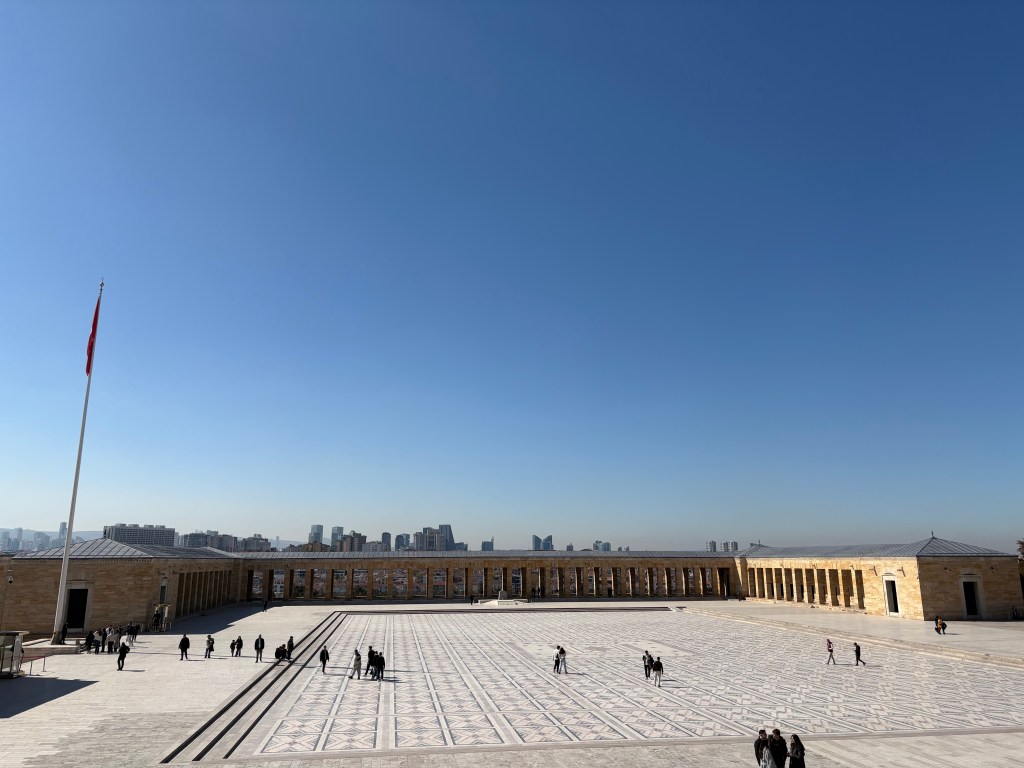
After completing a British Council Connect2Innovate project with partners at Middle Eastern Technical University, I was invited as a panellist at a British Council event in Ankara to present, display, and share our work and outcomes as a successful and effective project. The project brought together industry and academia to generate a series of entrepreneurial case studies, which were augmented by entrepreneurs to transform them into ‘live’ cases. Several of the cases have since been published as open access cases at the Case Centre, and one is scheduled to be published in a Routledge book presenting cases on global entrepreneurship in practice. The event provided an opportunity to reconnect with Turkish partners and further explore Ankara after a previous visit as part of a TÜBİTAK Project. In addition to revisiting the old city, I also visited Anıtkabir, the Atatürk Mausoleum. The Anıtkabir provided stunning views on warm and clear spring morning and an informative museum, making it an ideal way to spend the final morning before flying back to the UK.

Business Research Design Videos

My colleague and I spent a couple of months developing some short videos which introduce some of the most common business research designs for the University of Worcester Doctor of Business Administration (DBA) program. Research design can be tricky subject to teach and discuss; indeed, scholars cannot even agree on what it entails and some term it research strategy. A (positive) challenge that we had on the DBA was covering enough research designs to support the cohort. We started off by only discussing four research designs in detail as part the Research Design and Methods module, however, as the program grew, we found that there was a desire to adopt a wider range of research designs as part of doctoral research. This gradual expansion led to challenges adequately fitting in all the research designs people were interested in. To enable us to undertake learning activities and discuss the practical application of each research design in the classroom, we adopted a flipped classroom approach. Providing an introduction to research designs video, and then a short video giving a background and summary of nine different research designs, which offered the foundation for further discussion and application in class. The nine research designs discussed have all been utilised by doctoral researchers on Worcester’s DBA program and include case studies, narrative research, interpretative phenomenological analysis, action research, Delphi research, ethnography, Q methodology, fuzzy-set qualitative comparative analysis (fsQCA), and survey research. The video playlist is publicly available to support others who are interested and can be accessed here.

Doctoral Research Methods Videos

Five years of delivering the Research Methods and Design module to DBA cohorts has led to the gradual development and accumulation of too much good material to include it all in the teaching time allocated. Plus, after five years the module would benefit from a refresh to ensure that it is still innovative and fits the needs of the diverse cohort. I decided to flip the classroom for a couple of core subjects, which are picked up in less detail in earlier modules and where greater application of the topic would be helpful. To support this, I recorded a mini-series of three videos on research philosophy. The first video recaps some of the key distinctions implicit within research philosophy. The second video builds on this and discusses the opposing views and assumptions held within positivism and interpretivism, and how these commonly align with data collection methods and analysis. The final video discusses four more research philosophies; realism, pragmatism, constructivism, and phenomenology, the views and implicit assumptions within each one, and the research methods and analysis they are commonly aligned with. The second topic I decided to initially cover was research design and the application of mono, multi and mixed methods research. In addition to embedding the videos in the course’s virtual learning environment, I have created and posted them on a new YouTube Channel to make them publicly available. The development of the channel is still a work in progress and the goal is to produce more videos as I continue to innovate the pedagogic delivery of the module. The current playlists can be accessed through the links below.

Research Philosophy for Doctoral Business Research

Mono, Multi, and Mixed Methods Research Designs

UK Council for Graduate Education (UKCGE) Research Supervision Recognition

Amid the turbulence of the Covid-19 pandemic, I found time to complete the UK Council for Graduate Education (UKCGE) Research Supervision Recognition application. The programme sets a benchmark for good practice in research supervision and provides recognition of good research supervisory practice, recognised by a national body.

The programme and the associated framework is focused on ten criteria which are: The recruitment and selection of research students; good supervisory relationships with candidates: good supervisory relationships with co-supervisors; supporting candidates’ research projects; encouraging candidates to write and giving appropriate feedback; keeping the research on track and monitoring progress; supporting candidates’ personal, professional and career development; supporting candidates through completion and final examination; supporting candidates to disseminate their research; and finally, reflecting upon and enhancing supervisory practice. I developed an application around these ten criteria in which I identified and evidenced my supervisory good practice. It offered an opportunity to explain, justify, and underpin my practice with contemporary literature, and also speak to previous doctoral students that I have supported in order to seek their views of practice and support. Completing the process highlighted to me how diverse my experience has been, supporting numerous different projects in a range of research areas and how diverse the backgrounds of those that I have supported have been. I have supported students from China, Vietnam, Switzerland and Germany to completion and I am currently supervising students from China, Nigeria, Ghana, Oman, Germany and Italy.

I received a positive outcome to my application, so I am now a UKCGE Recognised Research Supervisor. The process and feedback were somewhat uplifting. It was nice to read the positive feedback, which concluded:

“It is no surprise that you have twice been shortlisted for the Excellence in Doctoral Supervision Award at your university. Without hesitation, this application satisfies all criteria. It was a pleasure to review.”

It was nice to read this, after so much striving to get papers published in journals, leading to reviewers saying ok, reasonable or acceptable for publication. It is nice to receive a positive and uplifting review, in such a challenging time. 

EU CRUZE Project

In March, I led a team to submit an EU Erasmus KA2 project bid. The bid was a revised version of a bid submitted the previous year that narrowly missed out on funding. Against this backdrop, it make sense to revise and resubmit. After a month’s delay in announcing the funding of project, we received the good news that our project would be funded. Under my leadership, the University of Worcester will manage the project, working with partners from London, Belgium, Sweden and Turkey to develop tailored cross cultural training materials to support the development of learners cross cultural skills in both higher education and industry.

The project aims to develop the intercultural competencies of graduates in Europe by enhancing the quality and relevance of their skills to enable them to be active professionals in the European working environment. The project investigates the perceived and actual intercultural competencies of graduates needed by employers and subsequently provides outputs that help address these needs. The project responds to the European Commission’s (EC) Strategic Framework – Education & Training 2020 view that there has been a lack of focus on the involvement of social institutions on the cross-cultural skill-needs that companies have and on the effectiveness of investment in education and training in this area on business productivity.

The outputs of the project will include:

  1. A Competencies and Skills Report, which will highlight the intercultural skills needed by employers and highlight gaps in current student competencies;
  2. A Cross-cultural Competencies and Skills Development Toolkit, which will include a range of case studies and teaching materials;
  3. A Cross-cultural Competencies and Skills Development Training Manual, which will explain how educators can effectively utilize the teaching materials. The outputs will all be open-access.

As the output from the project are complete, I hope to share links to them via my blog and website, so stay tuned for my information.

Worcester Graduation 2017

Worcester Business School’s annual graduation ceremony was on Halloween for 2017. This made the graduation a few days earlier than previous years with fine and clear weather to match. It was the 6th graduation I have attended in a row and this year saw a strong contingent of our online BA Business Administration students graduating, after a tickle of students graduating last year. It was great to see more students graduating from the online program and coming to Worcester to collect their awards. The sea of colours which make up the graduation procession always brings colour and excitement to Worcester high street.