Things I have Learnt during the Last Six Years Working and Living Overseas

I am a great believer in the value of reflection, as you will see from my previous research. After six years living and working in China, Russia and Ukraine, whilst also holding down a full time job in the UK, I feel that I have learnt so much and I would like to share my reflections on what I have learnt. What I have learnt is wide ranging, relating to working in the countries I have lived and worked in, but also includes reflection about the daily experience. Some of the eclectic things I have learnt are discussed below, in no particular order:

Every Country has a Different Broom

Having lived and worked in five countries (China, Russia, Ukraine, USA, and UK) in six years, one of the things that astounds me is there is no single broom or brush for cleaning the floor. There are so many different sizes, designs, and angles. For example, the brooms in China are small and angled, whilst in Russia they are bigger and straight. But in Ukraine they are angled and tall. In the UK, I am not that familiar with brooms as most floors are carpeted, but I was a janitor for a year in Tesco and the bristles were straight. In the USA brooms have straight bristles and handles, more like the UK. But it has amazed me that every apartment we have moved into has had a different broom.

What Constitutes ‘Good’ Work

I have been surprised by the range of understanding and interpretation of what constitutes ‘good’ work, in the places I have lived and worked. I was brought up in the UK system, which like the US is task focused. Other countries are more time focused, whereby the time you spend on a task is more important than the quality of the output itself. In such cases work is scheduled around time not outputs and the time must be filled. This is different to my flexible working pattern, where I work unique hours and most people do not mind as long as I complete what needs to be done.

Economic Principles do not Always Apply in the Same Way

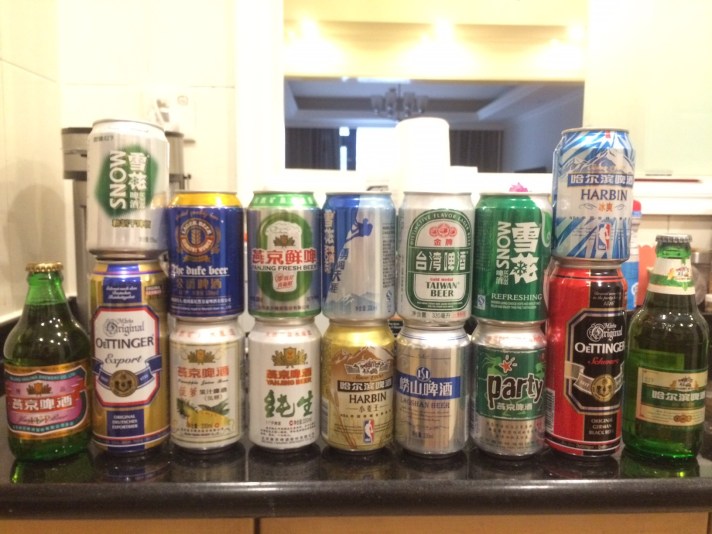
I found the idea that the basic economic principles that we are taught do not apply universally. I was, of course, aware of the different economic systems which exist in China, Russia, and Ukraine, but not that economic concepts that we take for granted in the UK and US do not always hold true. The most obvious way in which I saw this was in the lack of economies of scale when shopping in supermarkets. For example, if you buy a multipack of beer in Walmart or a local domestic supermarket in China you would commonly be charged for the price of an individual beer times the number of beers you have. A lack of economies of scale for the end consumer could also often be found in Ukrainian shops to a lesser degree. Of course, when broken down, it can be argued why should a multipack be cheaper than buying individual units, but I have been conditioned to believe that it should. The concept of buying many things by weight rather than by piece in Ukraine always fascinated me, as it made it harder to know what an ice cream or cake would cost. It seems logical and a more direct reflection of value, but not really consumer (or worker) friendly, as there are many more steps required.  
Entrepreneurship and Informal Entrepreneurship

Whilst living overseas I have noticed a difference when it comes to how entrepreneurship and informal entrepreneurship is valued. This is probably not a surprise, but in the more developed countries I have lived and worked in I have noticed a desire to formalise entrepreneurship. Formalised entrepreneurship helps to bring in more tax revenue and benefits the wider economy. China really leads the way here, and the promotion and development of entrepreneurship really is impressive.

Public Buildings and Spaces are Impressive in Former Soviet Countries

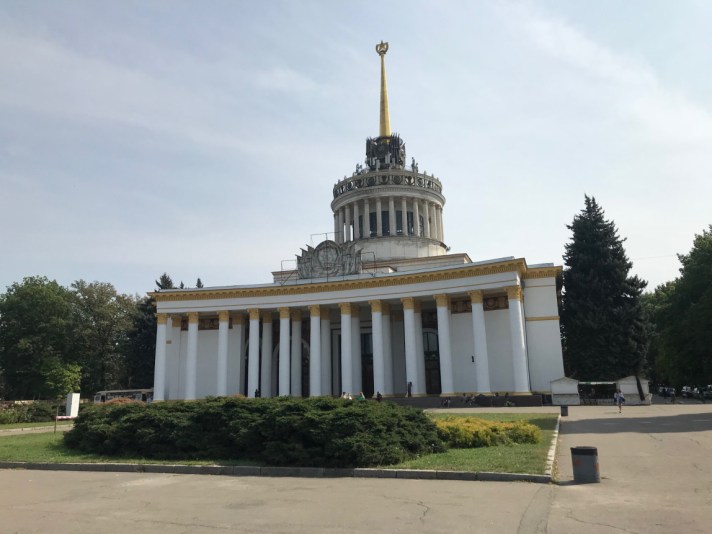
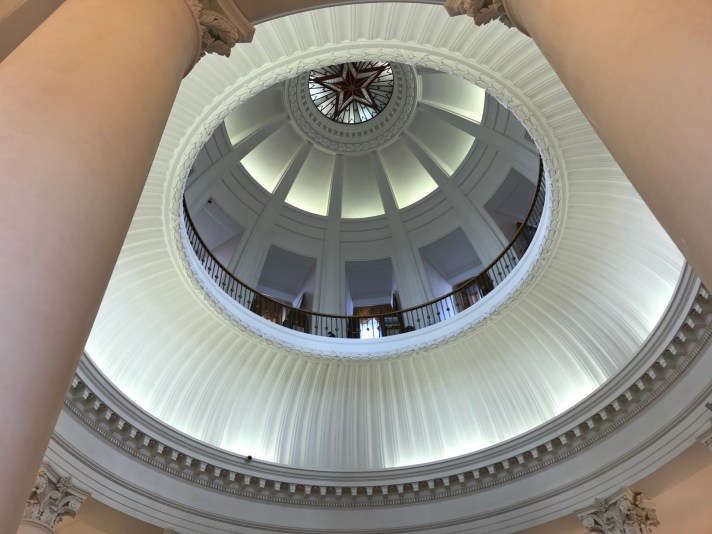
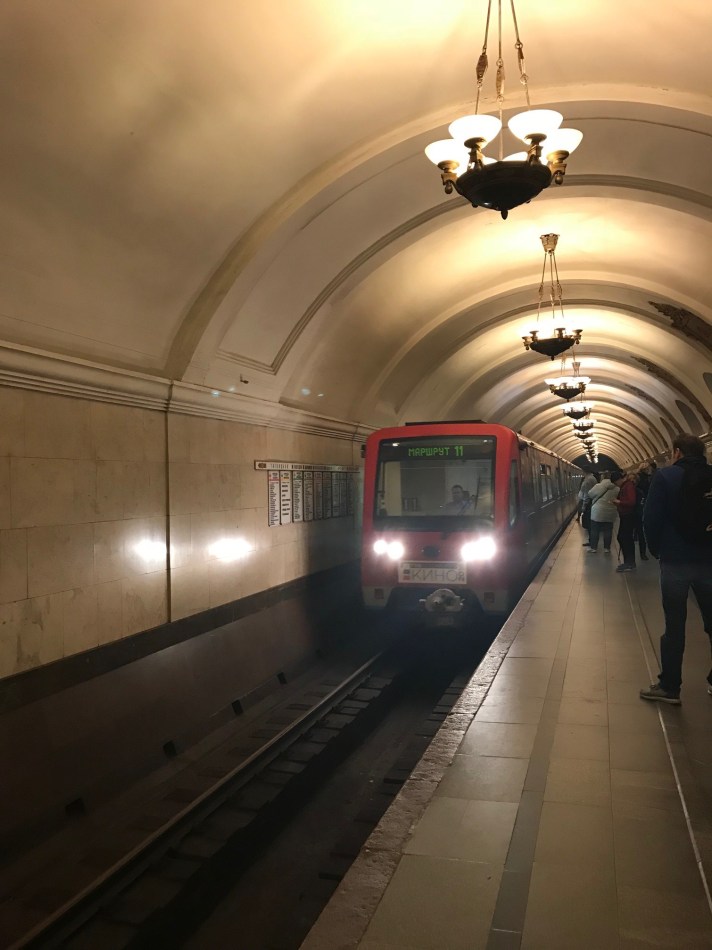
The development of public buildings for public use in former Soviet Countries is impressive. Whilst the function within these building might not be world leading, in Moscow and Kyiv there are some wonderful public spaces. I think many countries around the world could learn from the museums, theatres, monuments, and metro systems that these cities have. The dedication to the public good is impressive.
The Desire to be Different/Unique

Contrary to what the academic literature would suggest, I have found that in some societies the idea of being unique and being a ‘VIP’ is very powerful. When boarding a flight with elite status/business class ticket I like to be the last one on, to take advantage of the airport lounge and their facilities, but the power of being a VIP is very strong in some cultures. Indeed, you will often see a VIP phone number presented to the general public in some countries, which by definition means its not a VIP number if everyone has access to it. This demonstrates the power and perceived psychological benefit of being an individual in some countries.

Reserving Tables for Hours and Having no Custom

My final reflection is on the process of reserving tables in bars and restaurants and the willingness to reserve a table the whole night from 5pm through to 1am, even when the reservation is only for 9pm through to 1pm. Whilst this in part probably comes from living in the centre of three expensive cities, where many exclusive and luxury hangouts exist, it underlined to me the importance and value of having a booking somewhere and it being at an ‘it’ place. It also always seemed strange that venues would turn away custom when they had a booking three hours later. I would often have to convince servers to let me stand in a corner or at the bar to have a quick snack and drink at 5pm because they had tables booked later that night. In this context I am sure it came largely from the balance between the local wages and the food and drink on offer, and therefore reservations being so valuable. I will always remember sitting in odd corners of completely empty bars and restaurants which remained empty until much later in the evening when I would be home in bed.

The Value of Wealth and Money

The value of wealth and money and the willingness to display it, is different in the countries I have lived in. In some countries legitimacy is given to those with wealth, whilst in others wealth is held but not explicitly displayed. We have been gifted the wonderful opportunity to live in the city centres of Beijing, Moscow, Washington DC, and Kyiv. In all of these cities Washington DC had the least sports cars and roaring engines. In fairness, maybe American wealth does not come to DC, but rather New York, San Francisco, LA or even the Finger Lakes.

Logistics are impressive and redesigned for the Context in China and Ukraine 

I was always amazed by the efficiency of Chinese and Ukrainian distribution companies. The Chinese logistics system is amazing, but the Ukrainian system is also good. These systems always highlighted the inefficiency in the UK and USA systems, possibly related to latecomer advantages. 

Collaboration

I have found that the concept of collaboration is different in every country and maybe, not so surprisingly, is influenced by institutional direction. I have worked and collaborated with top universities in China, Russia, and Ukraine, and each has had a different outlook when it comes to collaboration. I have previously mentioned how beneficial I have found collaboration with Chinese colleagues, but I have learnt collaboration is impacted so much by national policies and directives.

People Relate to the Same Brands Differently in Different Countries

The importance of branding and how people relate to it and perceive brands was demonstrated to me by living to numerous countries. It is a common adage that organisations want to standardize their brands and balance their product adaptation and standardization, but when living in several very different countries it is easy to see that this is potentially more challenging than I first realised. It is easy to see brands and what they stand for as one entity, but marketers have limited control of how individuals view and perceive their brands, so brands are often viewed differently in different countries. Plus, often when brands are viewed one way in a particular country, it is often easier to run with it, than to try and realign and contradict peoples’ current perceptions.

Big American cars in Russia and Ukraine

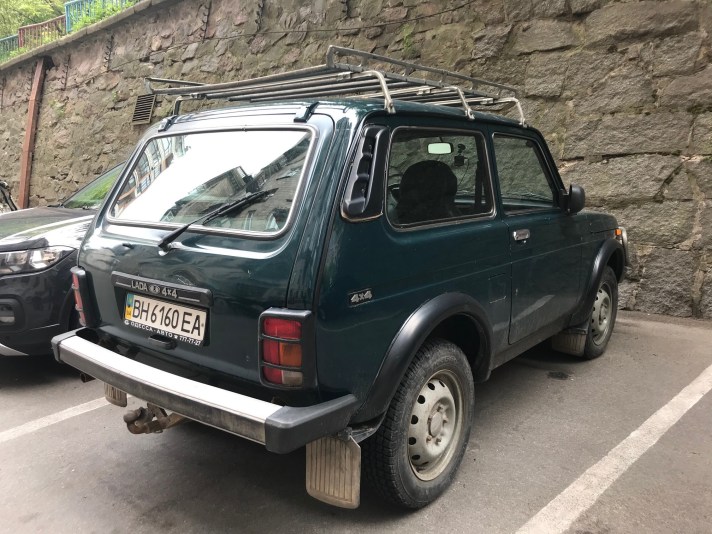
I was always amazed by the number of big US cars in Moscow and Kyiv. There were many more big US SUVs in Moscow and Kyiv than you would find in Western Europe. I don’t know whether this is related to the demand for US vehicles or the driving conditions being more like the snowy US winter roads, but the driving and traffic felt much more like being in a US city, rather than a European one.
Six Years Away: Kyiv, Moscow & Beijing

This summer brought to an end six years of being away, living overseas and being a digital nomad. These six years were spent with two and a half years in Beijing, one year in Moscow and two years in Kyiv, with six months in DC between Moscow and Kyiv, after being declared persona non grata in Moscow. During the six years, I learnt to love and enjoy parts of these metropolises, so I wanted to write about what I enjoyed in each of these cities. In the coming weeks, I also plan to write about what I learnt in each of these cities and the unique contexts that they provide. I really enjoyed Kyiv and found it an amazing, vibrant, and fun city to live. I will forever be grateful for my experiences in Beijing and all the people I met there.  Although I will always remember Moscow and am glad of the year I spent there, the context of the sanctions and being expelled with only seven days to pack will always influence my reflections of the time spent there.

So after taking some time to reflect on each of these cities, I want to discuss the positives that I will take from each city and the experience there, as I believe that our experiences make us the people we are.

Kyiv 

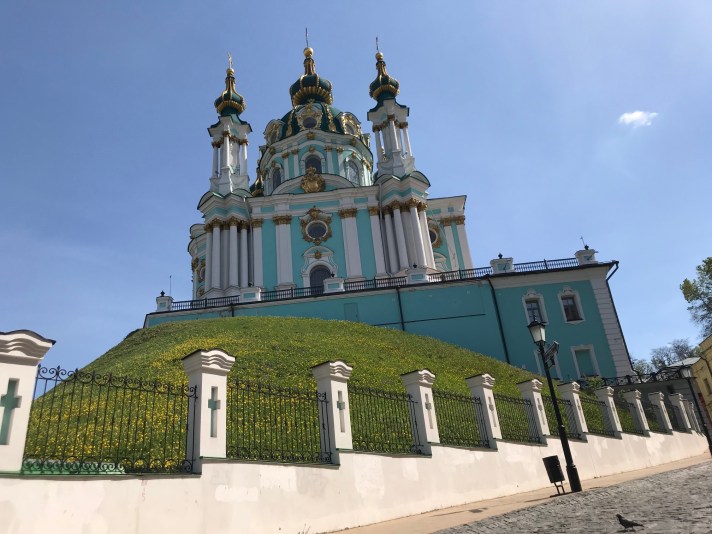
I think it is an honest reflection to say that Kyiv was my favourite foreign city of the three that I lived in over the last six years. It was the most vibrant and relaxed and felt the most similar to home. I enjoyed the seasons, there were four clear seasons throughout the year, with lovely springs and autumns, and relatively pleasant summers and winters. Kyiv was a friendly city, where I was happy to attend football matches, even big European games. I held a Dynamo Kyiv season ticket during both years, and whilst these were not successful years for the club, I always felt welcome and enjoyed attending the games. It was a bonus to see Champions League qualifiers and Europa League games! There was also a great craft beer scene, and I always felt relaxed and comfortable going to small bars and pubs despite being unable to speak any Ukrainian. I will also be grateful for the welcome I received within Kyiv at both the football and bars. The architecture in Kyiv is interesting, and it was great to be able to walk past wonderful sights and feel part of the city. I will miss Kyiv, and I am grateful for our time there and living in the city centre. 

Moscow 

Living in Moscow will always be an experience that was tainted by how our time ended there, although I will always be grateful for the experience. The grandeur is genuinely spectacular. I enjoyed being in the city centre and walking through Gorky Park and past the lovely streets in the city centre. The long nights and short days are something unique to experience but were tough when living there. The metro is a fantastic experience, and you can get lost in its beauty. On a practical note, both the metro and airport express are super-efficient, which is essential for an individual commuting back and forth to the UK. Beyond how our time in Moscow ended and the political strife we experienced whilst there, the thing I will always remember is the sound of the snow clearing teams. It would start at 8pm and go on until 7am, and the sound of shovels grating on tarmac roads and pavements will always take me back to Moscow. I will also always remember some flights out of Moscow, where I could not believe that planes were going down the runway to take off due to the snowfall, particularly on my way back to defend my Education PhD at Huddersfield.

Beijing  

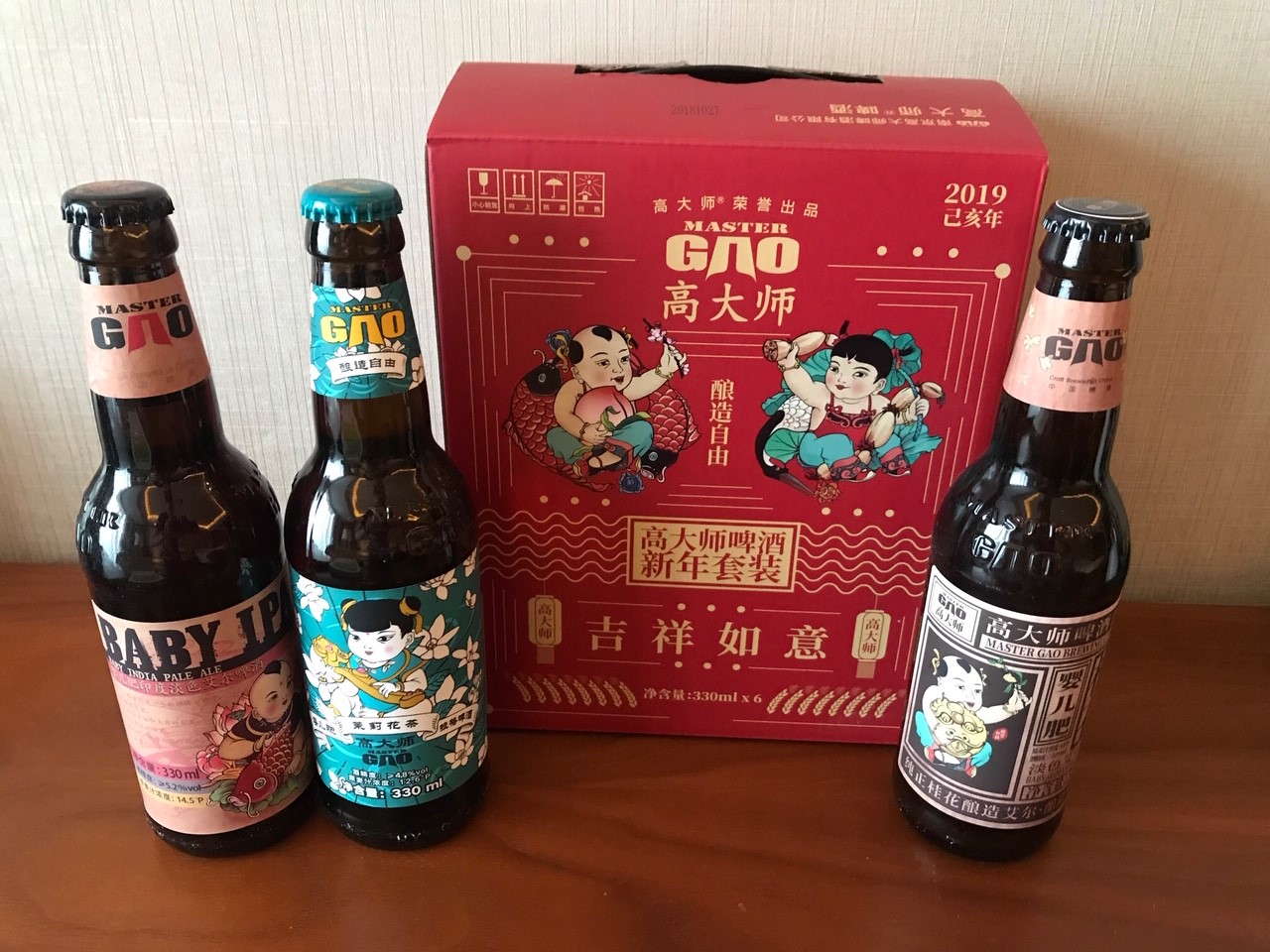
Beijing will always be the first city where our family put down roots. It has a unique buzz, and I think we all learnt so much. I am truly grateful for our time there, as it set up a theme of my research, and I managed to build more collaborations there than anywhere else, due to the desire for research and development. I still enjoy going back to Beijing to see the constant development taking place. Since we have left, I still have connections that take me back, which I am grateful for. The willingness to collaborate has always been more significant in Beijing. During my time in Moscow and Kyiv, I still found myself turning back to China. Some of the modern breweries in Beijing also opened my mind to beers beyond standard lager. I am sure it was a time and a place, but Jing-a will always be a special place for me.

Kyiv’s Best Beer Spots

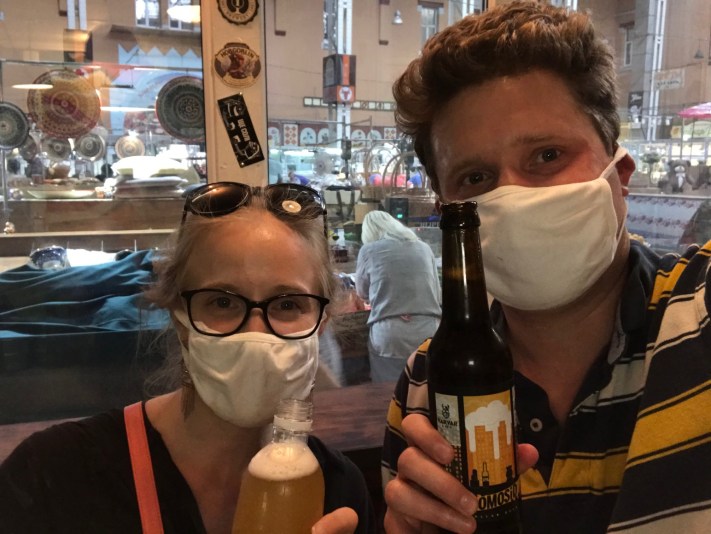
As our time in Kyiv and 6 years on the road was coming to an end, we decided to do one last cycle of the best beer bars and locations in Kyiv. The truth is this became a rather stretched process and numerous locations were visited several times during the process of packing and preparing to move. Kyiv and Ukraine has some great craft breweries and spots to relax, so we wanted to keep enjoying these one last time. As we visited each of the spots, we took some notes and photos to share our thoughts. So in this post you will find our thoughts and recommendations for our top locations to sip craft beer in Kyiv. Unfortunately, these visits aligned with Covid restrictions, so some of the photos strike a more somber tone and we missed out on a couple of places which were closed, so did not make the list below.

Central Location

Tsypa- inside Besarabsky Market – Bessarabs’ka Sq

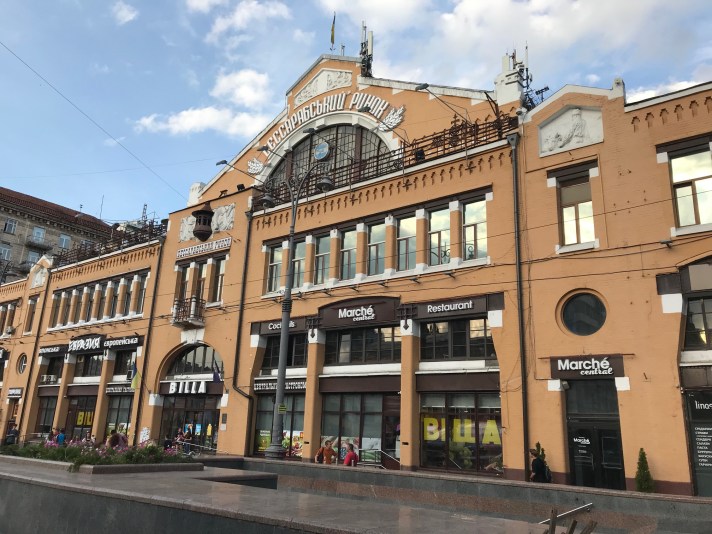
If you are not looking for a glamourous location for a beer, this is a great choice. They have a range of Tsypa beer on tap and normally carry a selection of bottles from a few Ukrainian suppliers. The location is more like a cabin in the market, so it is cosy and small, but you can pick up a pint of the cheaper craft beers like an ale or weizen for just over a pound or a Plombir milkshake IPA for £1.50. Plus it is an interesting experience to sit in Besarabsky Market and watch the world go by. This became a regular location for me on the way to the Olympiyskiy stadium.

Mokri Vusa / Cat Bar- Tarasa Shevchenko Blvd

This become a regular staple of ours that we have informally labeled the cat bar as the logo has a cat in a pint glass. It has a wide range of local craft beers, a reasonable number of imports from Europe and the US, normally a cider, and a cocktail menu. The beers are not the most competitively priced in Kyiv, but the domestic craft beer is still reasonable. There is also a wide range of food offered and the normally the place is not packed. Whilst nice, clean, and modern, it can feel a little sterile at times.

Just Beer Bar (JBB) – Hospitalna St

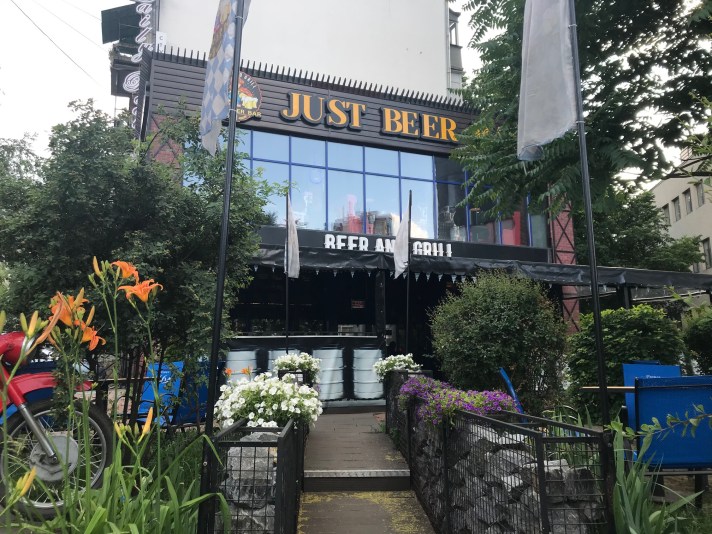
A short walk from the center and there are a lot of beers on the menu, although there often seems to be a reasonable amount out of stock so have a few top choices ready when you order. They have a couple of Ukrainian craft JBB-branded beers, but the menu is mainly imports. The bar has a large capacity and it has lots of sports screens, but the service is often slow. It is a good place if there is a particular game you want to watch as they show different games on the different screens. It has slightly odd decor, mixing genres of Germany, Ireland/UK and the US, but hey what do you expect from a slightly cliché Ukrainian international genre sports bar. The bar is often busy with away soccer fans on European football night given its proximity to the Olympiyskiy stadium, so can offer a good vibe or not, depending on what you are looking for. It is normally smokey inside, so reminds me of past times, which thankfully are gone.

Podil District

Punkraft – Ihorivska St

You’ll step down into a basement bar that is both hip and pricey (for Kyiv). Old-school arcade and pinball machines are there to entertain you and neon lights illuminate your stay. Order a domestic pint and you’ll have enough left for a snack, which are tasty, but an import may empty your beer funds. One could argue it’s a little ‘too cool,’ but it’s a great place to take visitors who want a taste of how cool and trendy Kyiv can be without being ‘too’ anything.

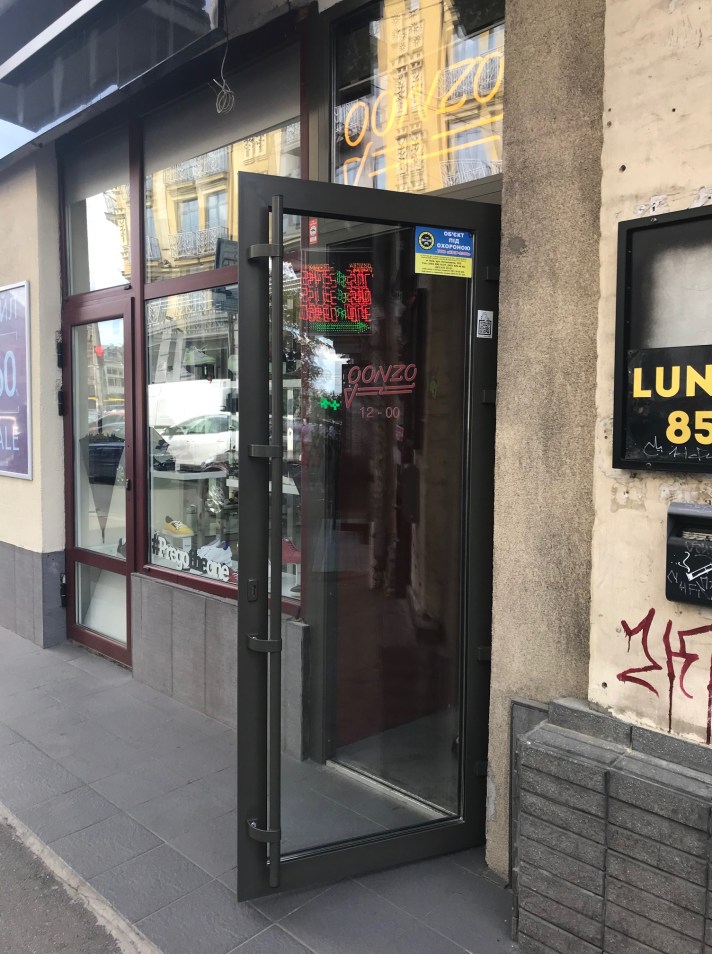
Gonzo – Kostiantynivska St

Another basement but with a minimalist approach. Bare walls and cool colors both welcome you and tell you that you’re somewhere that people take themselves seriously. Gonzo is also a brewery so you can get their branded beer fresh from the tap or grab a few reasonably priced bottles to take with you. They are not afraid to take some chances with their beer varieties and you can find some fun and unique brews such as grape milkshake IPA. Their food menu is not huge but quite varied such that you may think they have stretched themselves too far. However, everything we tried was of good quality and very tasty. In addition to all their beers, they offer many choices for non-beer drinkers with a satisfying cocktail menu.

Dux Bar – Spaska St

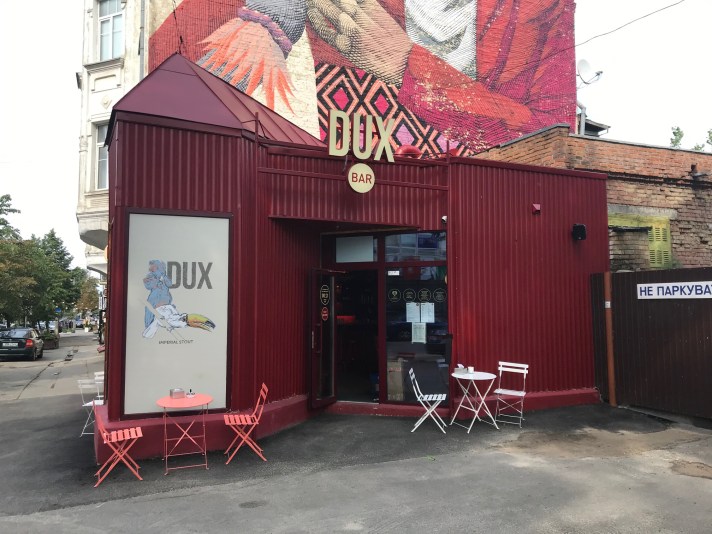
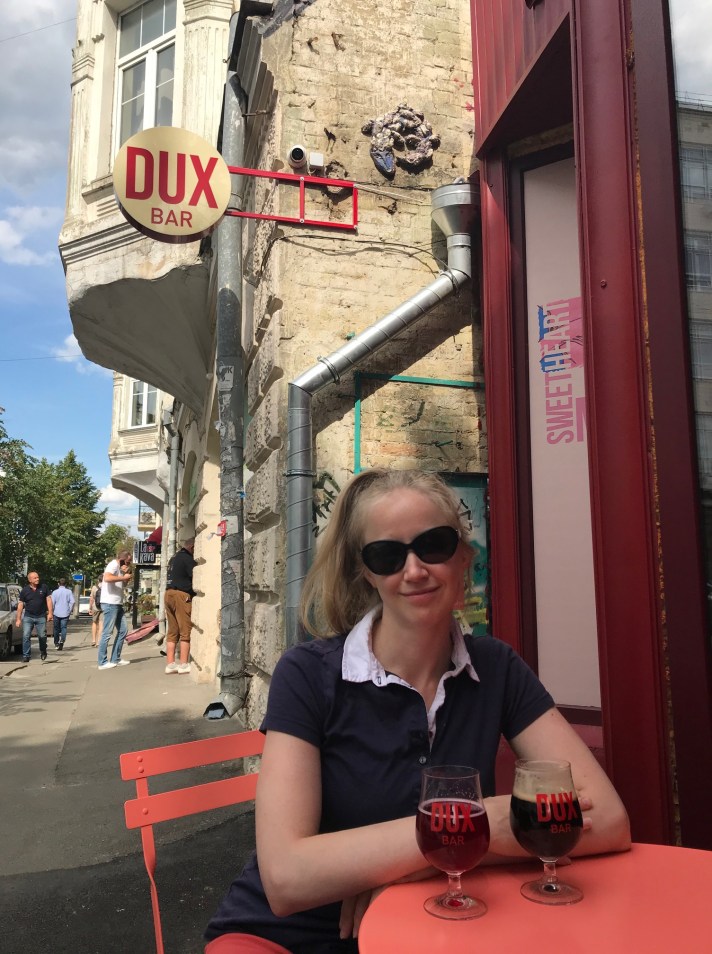
A tiny place you could almost walk right by if not for the huge sign outside beckoning you in. This establishment features beers from KF Brewery and about 6 inside seating options. A few additional tables are outside on the sidewalk where the people watching is calm but still interesting. KF Brewery have a wide range of beers, some of which are on tap, along with some guest beers. Many of their beers are relatively pedestrian, but they have some crazy and interesting flavoured beers such as their Mint Double Milkshake IPA and Blueberry Black IPA, which are well worth a try.

Slightly Further Removed

Varvar – Saksahanskoho St

This bar/restaurant offers a huge outdoor deck for seating and a very nice interior, which is why we think it’s the best all-around place for venue quality at a reasonable price. It offers great people watching from the deck, but the flip side is that you are seated quite close to the road. A wide range of beers will pique your curiosity, and you can stock up on bottles to-go. The big trade-off is that it is a reasonable walk from the city centre, so plan to take some time here, as the next bar won’t be next door. However, there is a large food menu, so you can make an afternoon of it if you are so inclined. Your walk back can go through the beautiful botanical gardens on the way either downtown or to the metro.

Solomianska Brewery – Solom’yans’ka Sq

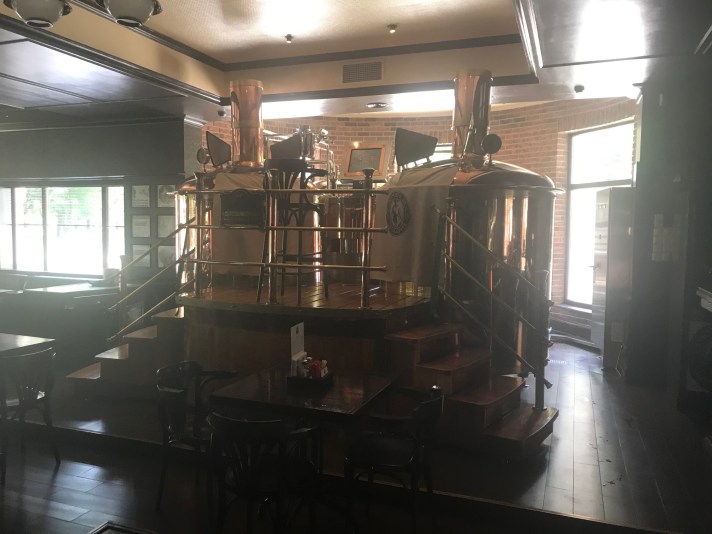
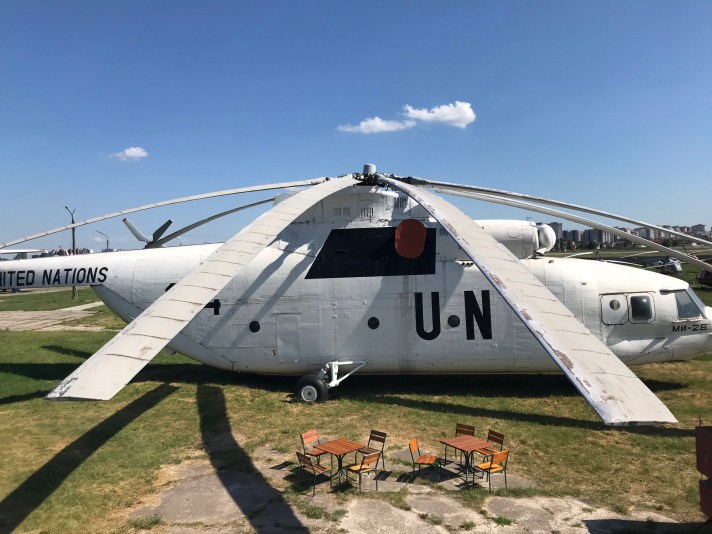
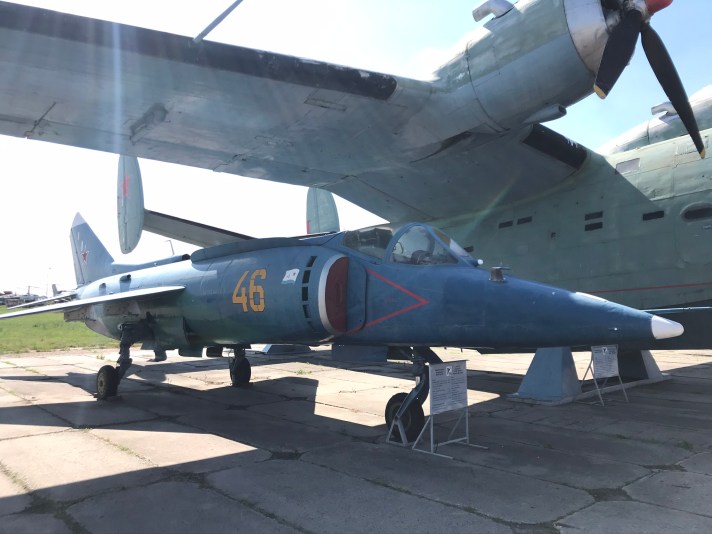
If you’d like more of an adventure, consider this brewery. It’s a bit far from the city center, southwest of the main train station, but the location means they can afford more land and offer a large biergarten-type patio. It is a bit set back from the busy road it sits off, and you can sit outside and watch people enjoying a small park nearby. The brewery offers its own beers, which you can try by the pint or in a sampler. There are also tasty snacks that will leave you with enough money left over for another beer. The food is less trendy and a touch more local here. They also offer cocktails and spirits. If you make it out there, go a little further and visit the Oleg Antonov State Aviation Museum where you can get up close to massive helicopters and interesting Soviet-era aircraft from World War II and after.

Other Notable Mentions – More than Beer Options

Kyiv Food Market – Moskovska St

Housed in the former State Armory building, the market features many food and drink venues to satisfy whatever craving you may have. Seating is both indoor and outdoors and the atmosphere is relaxed, even when busy. If you are out with non-beer drinkers, you can go to the Varvar stand inside to get your beer while they peruse the cocktail bar on the first floor or the wine bar on the second. Everyone can find what they want for lunch, be it Italian, seafood, Chinese, Vietnamese, a burger or dog, or even just a great slice of cake from Milk Bar, which makes American-style desserts that ease a bout of homesickness.

Bilyy Nalyv / 1 € inside Gastro Family Market – Baseina St

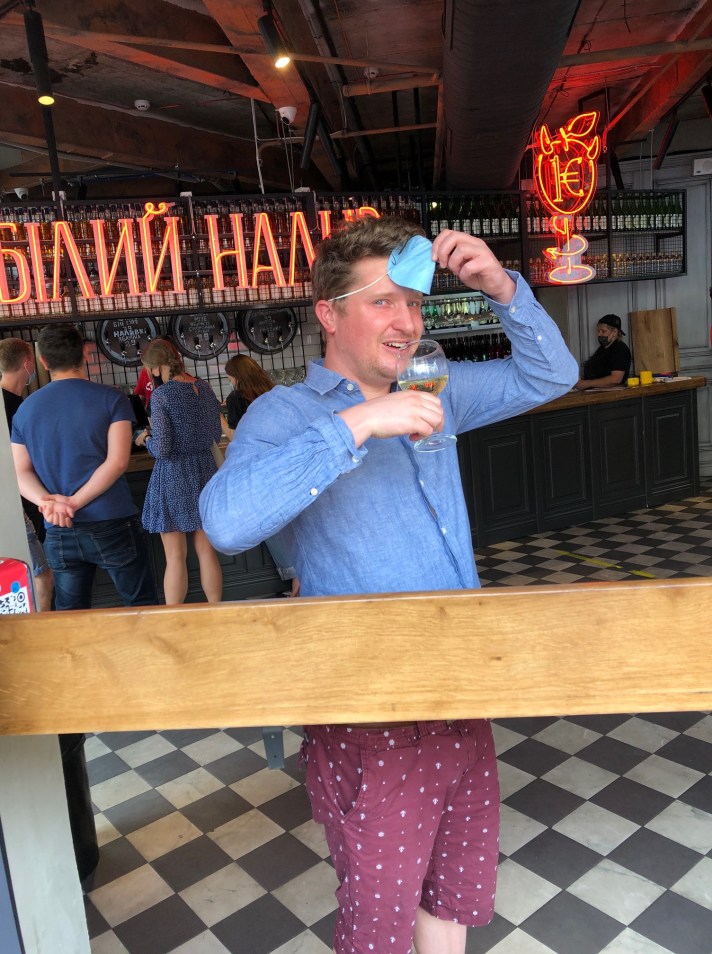
Within Gastro Family Market in the center of Kyiv, you can find lots of beverages on tap, although the one-euro logo is a bit stretched with today’s exchange rates. Nevertheless, the drinks are good value. A few beers are on tap, but don’t expect too much information beyond a one-word description like ‘light.’ There is also normally four types of cider on tap, some of which can border on cloying (looking at you, rose), but for the price are a nice afternoon refreshment. Interestingly, there is also a few types of wine on tap, or you can choose a bottle of Ukrainian fizz for a reasonable price. While in the market, there are about a half dozen food places to try as well, all of which are connected to larger restaurants around the city.

Oleg Antonov State Aviation Museum

One of the most interesting and novel places in Kyiv is the State Aviation Museum. It has a wide range of soviet aircraft and technology. Like many displays in Ukraine, it is possible to get up close and personal with the aircraft. It is possible to walk right up to and around the planes and even enter a few for a small payment. The aircraft they have are unique and diverse and include fighter jets, civil aircraft, helicopters, and surveillance aircraft. The museum is only a short drive from the centre of Kyiv and is close to Solomianska Brewery, which is worth a stop if you are in the area.

Seeing the Mil Mi-26 helicopters’ size was incredible, they were bigger than many of the planes and had a large rota span. Standing next to the aircraft and seeing the planes’ size difference was neat and seeing the unique design of the Antonov An-71 surveillance plane was a highlight. The museum is well worth a stop for a couple of hours whether you are an aviation enthusiast or not. I am not a particular aviation enthusiast, with my aircraft expertise mainly coming from my frequent travel, but it was an interesting and fun day out.

The Last Flight to Kyiv before the Border Closes

Nearly exactly two years after getting PNG’ed from Moscow, the spread of the Corona virus has led to the air transport system to buckle and near collapse, as demand for travel diminishes and countries have started to close their borders. Ukraine has been one of the first countries to close their borders, first to Foreigners and now to everyone, and they are banning all international departures and arrivals. This led me to have to rush to get a ticket back, booking an Austrian Airlines ticket on early Sunday afternoon to get home on Monday morning. This reminded me that my life over the last 6 years has been anything but dull.

The tickets back to Kyiv were instantly sold out when it was announced the borders would be closed, as Ukrainians working across Europe seek to get home to buckle down and support family. I managed after checking every 10 minutes for 3 hours to book a seat, which had come available. The elation of being able to get home to be with my family, for what could be a two-week, four-week or who knows maybe a twelve-week lock down. But alas an hour later a text message saying both my London to Vienna and the Vienna to Kyiv flight had been cancelled. Trying to call both Austrian and Lufthansa who the ticket was booked with was impossible, the phone lines kept dropping well before the expected over two hours wait time could be waited out. The only consolation was getting a message that the London to Vienna flight was reinstated. Earlier in the afternoon, the Austrian Government had recommended all Austrian citizens left the UK, due to its laissez faire approach to virus control, which might have had something to do with it.

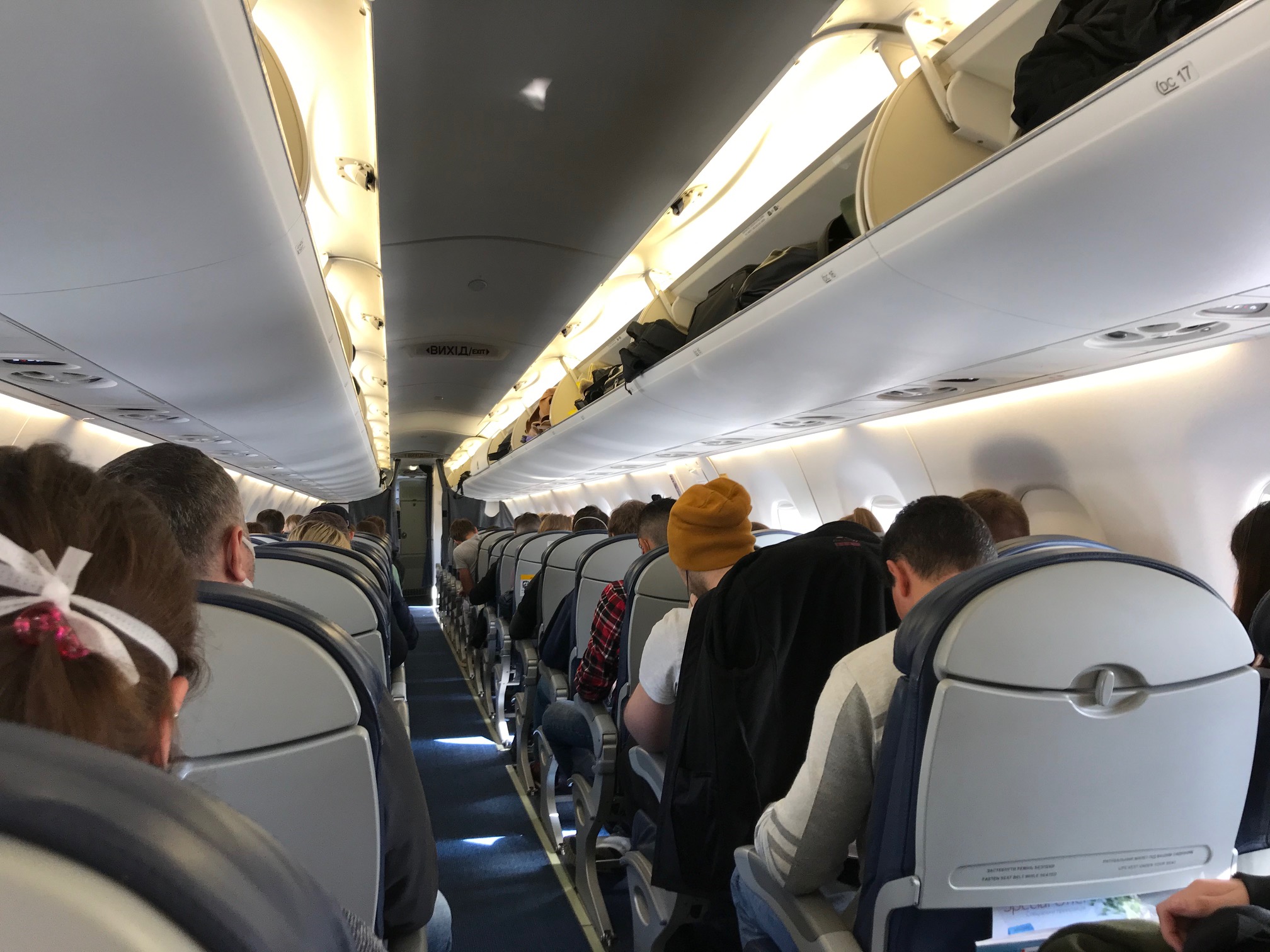
Then late that night I received a text I had been moved to a special Ukrainian International Airlines flight from Gatwick. A much longer journey to the airport, but I could get home. Having never flown Ukrainian International Airlines and deliberately avoiding it, this was the second time in two weeks, after another long night of flight changes when the KLM plane operating my flight from Bristol at 6am on a Thursday morning had a bird strike at 10pm the night before, which had knock on consequences. The check in line at Gatwick was long and slow, and despite the Ukrainian Ministry of Foreign Affairs highlighting as travelling on a diplomatic passport, I was still able to travel, the check in agents did not agree. I was lucky another family in the same situation had already started the process of contacting the right people to provide the assurances we were good to travel. So after a letter from the Ukrainian Embassy in London had been faxed to the airline, providing assurances we would be allowed in the country we were good to go.

The flight was somewhat somber; it had a quieter tone than the recent flights I had taken. We all did not know what we were returning to and how long the lock down would last. Plus, many had travelled from across the country and self-connected in London to get the last flight back. Of course, the nuances of Ukrainian International Airlines managed to cheer me up. I am not familiar with another airline which allows you to buy bottles of herbal liquor onboard for the journey. Although, it did not feel like the time for such a drink.

Revisiting the Chernobyl Exclusion Zone

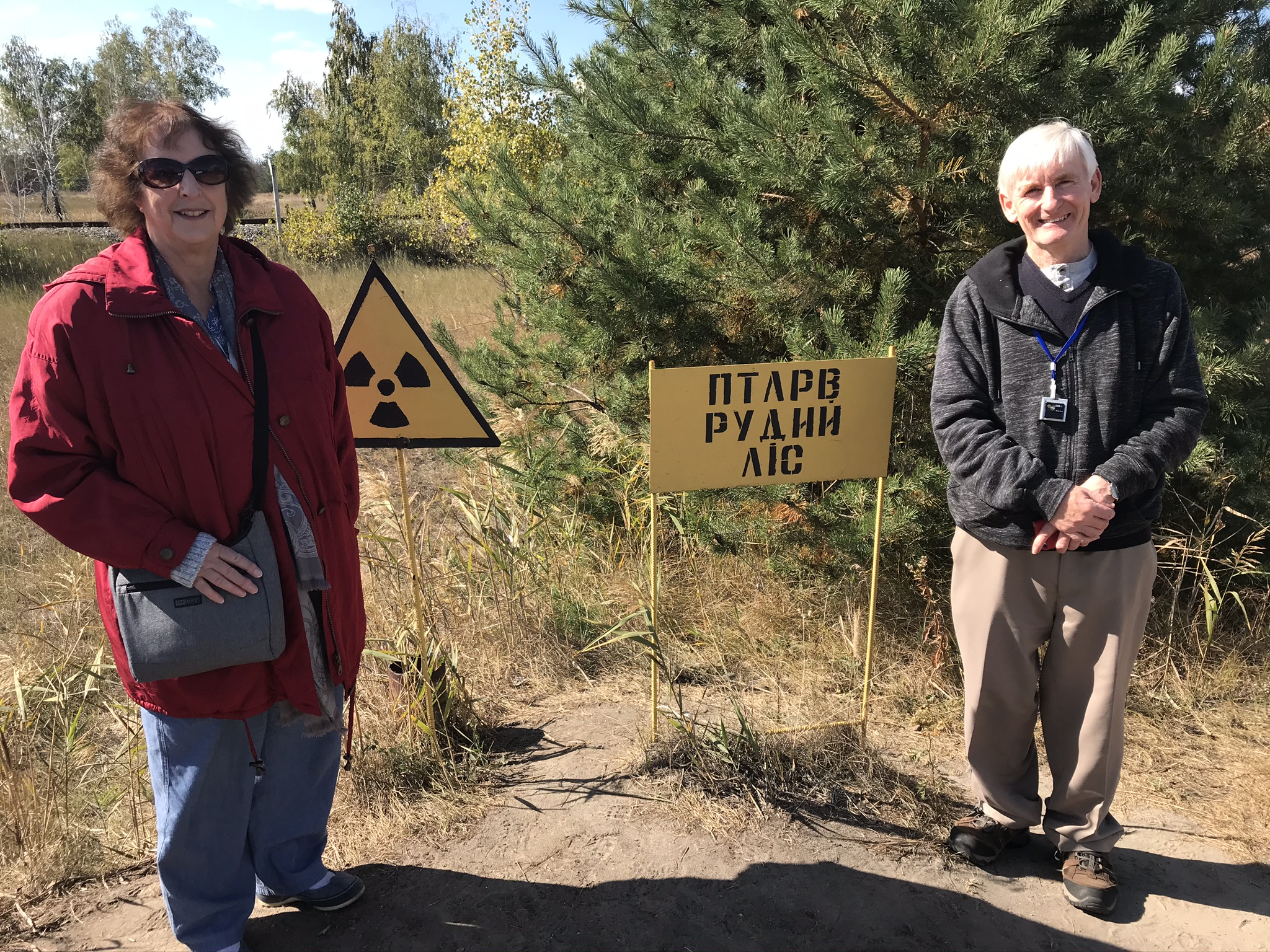
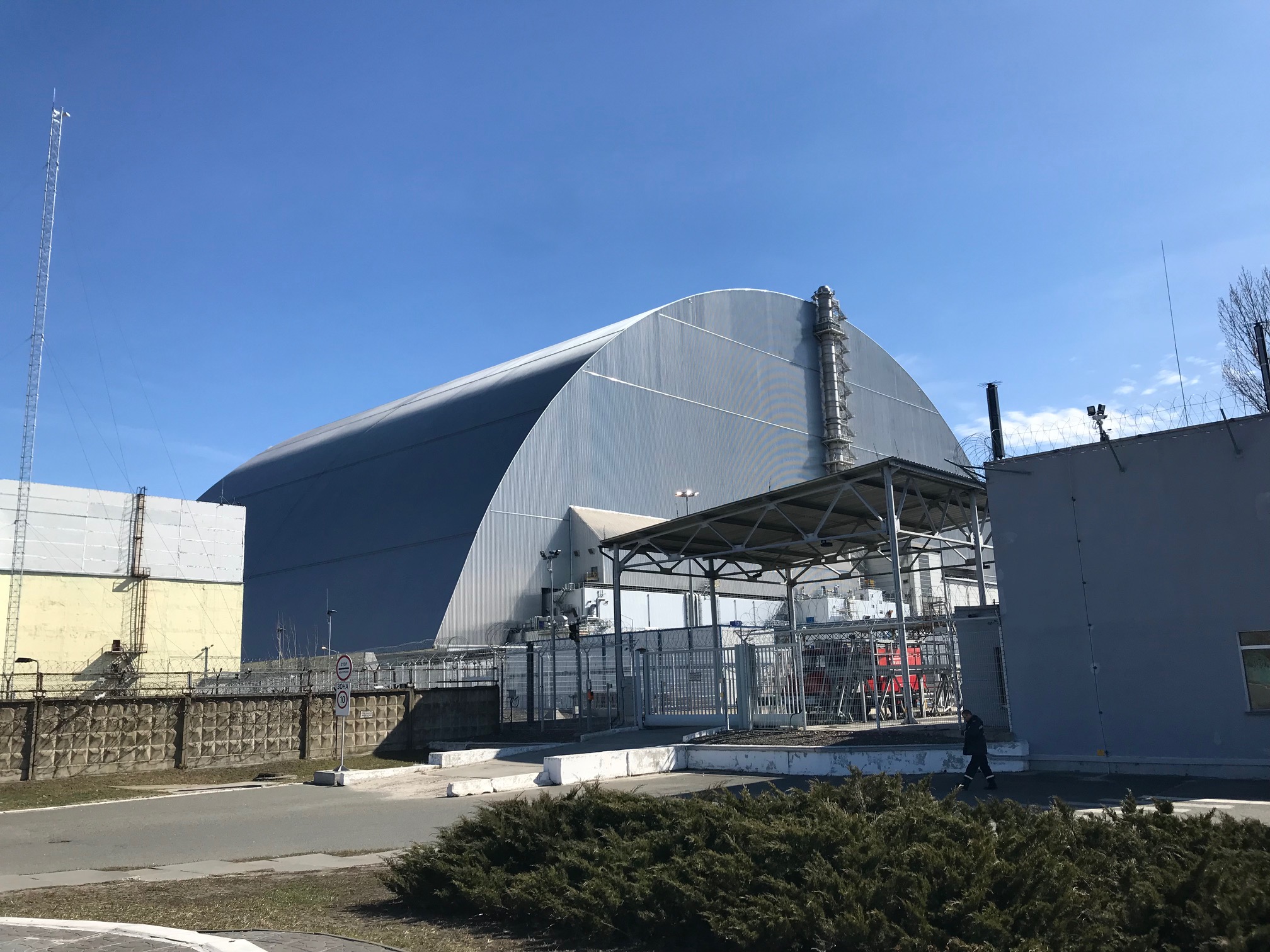
After going to Chernobyl and Pripyat for the first time in March I was keen to go again, as it is place with so much to see and take in. My parents visiting to see my wife and I and their new granddaughter, offered the perfect opportunity to visit the exclusion zone again. Whilst the Chernobyl plant itself is rather static and functional, particularly as there is so much ongoing work in the area attempting to deconstruct the reactor and securely storing the spent fuel, the surrounding villages and towns within the exclusion zone have so much to explore. These also have an eerie sense and presence, which you can take in whilst exploring. When visiting these villages and towns I get a feeling of exploring modern history in a way, which is not possible elsewhere. Whilst in Kyiv there are buildings from the Soviet era, many of which are still fantastic to see, they have been updated in a way the buildings in the exclusion zone have not been due the tragic events which unfurled nearby. On this visit I used the same company I had used previously, but we followed a significantly different path, which allowed us to see different things. This again highlighted how much there was to see. I think a large part of the route on the day depends on how confident the guide is and what their understanding is of the security patrolling on that day. Whilst it is forbidden to leave the path and enter buildings many of the guides will still presently suggest some off-path detours, which let you explore further into the exclusion zone.

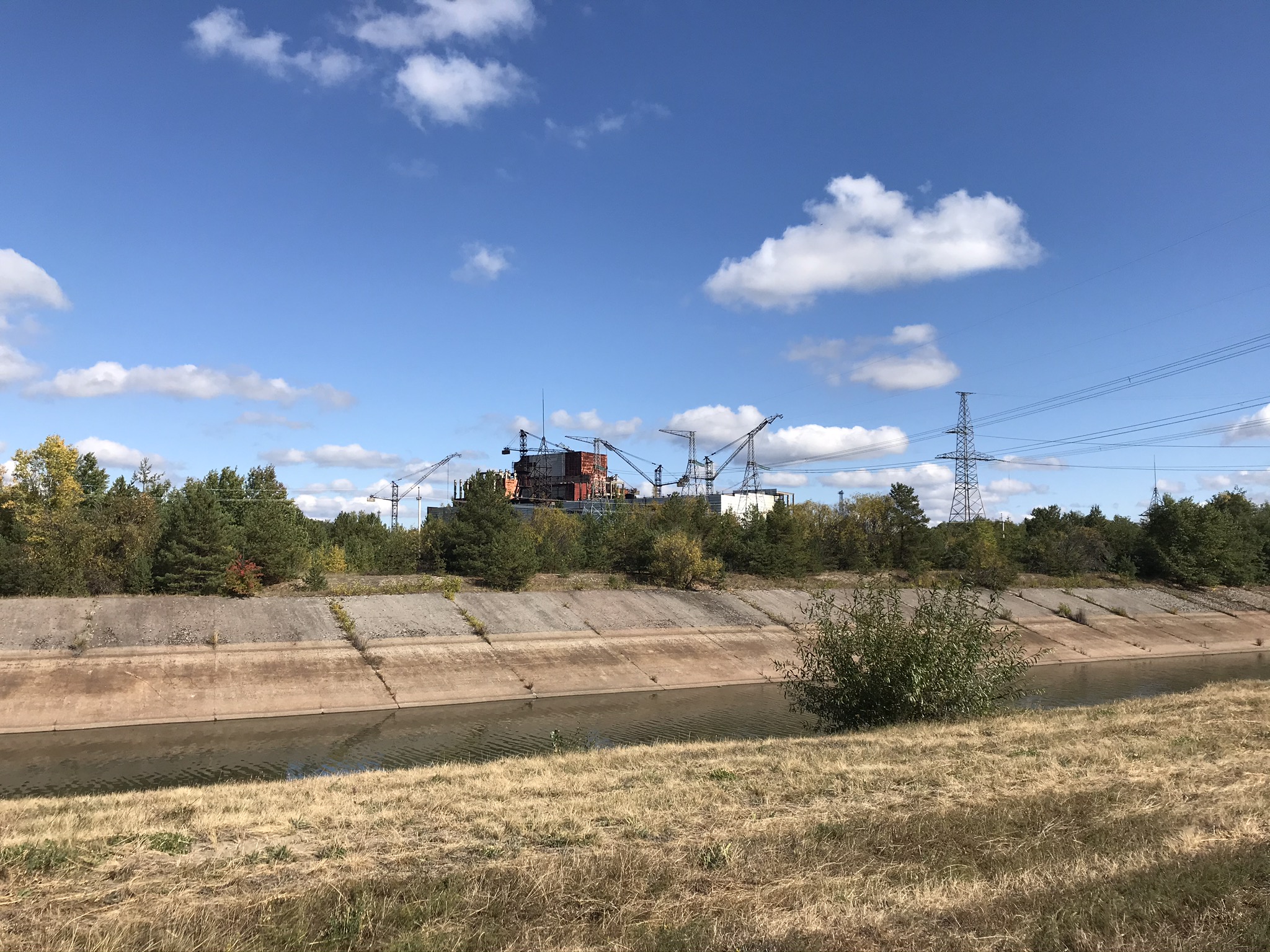
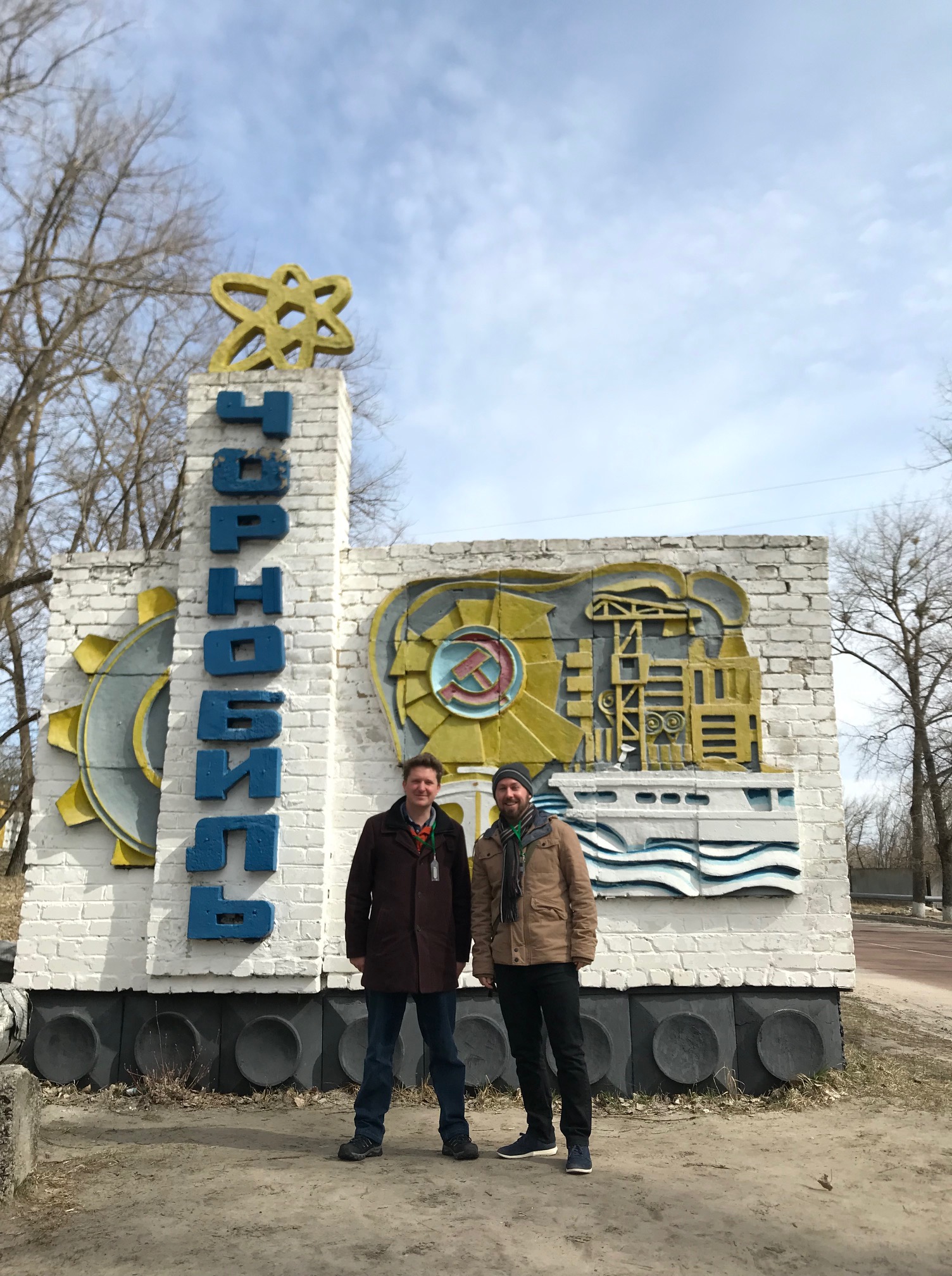
We started by venturing into the village of Chernobyl and saw a statue of Lenin, one of only two statues of Lenin in Ukraine after 1,320 Lenin monuments were dismantled during decommunization, both of the remaining two statues are in the Chernobyl exclusion zone. We also walked through several streets which had houses overgrown by trees and foliage and saw the church, which is still in operation today. After this we headed to the reactor site, passing those reactors which were still being built at the time of the Chernobyl disaster. It is interesting to see the changes which were already underway with the different designs of reactors five and six, which sit some way from the reactors one through four, which are adjacent to each other. It is eerie to see such big constructions sitting half built, knowing they have been this way for the last 30 years. Seeing this and knowing that reactor three, which sat next to reactor four, which suffered the reactor core explosions kept generating power until 2000 puts the area and need for power into perspective.

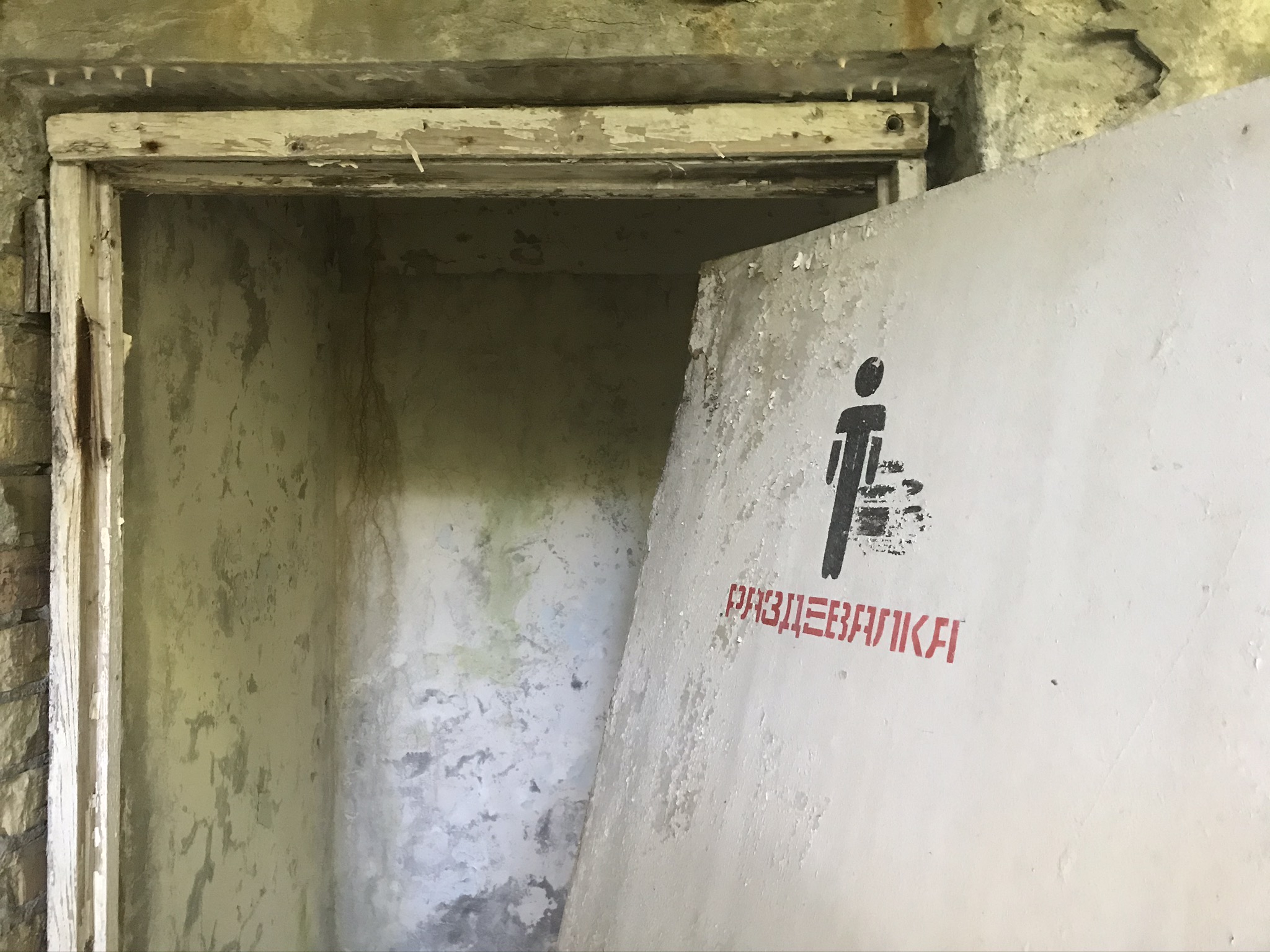
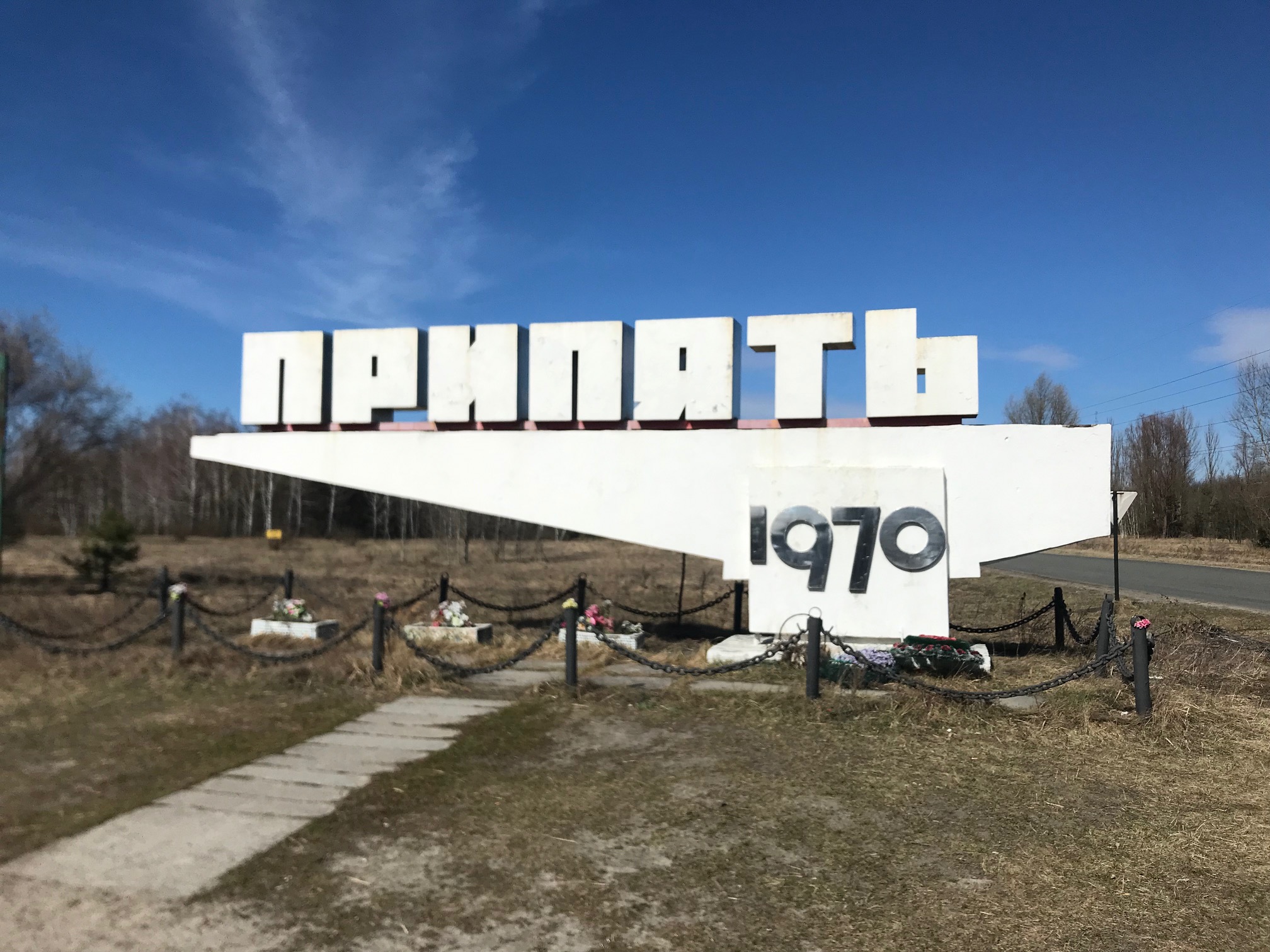
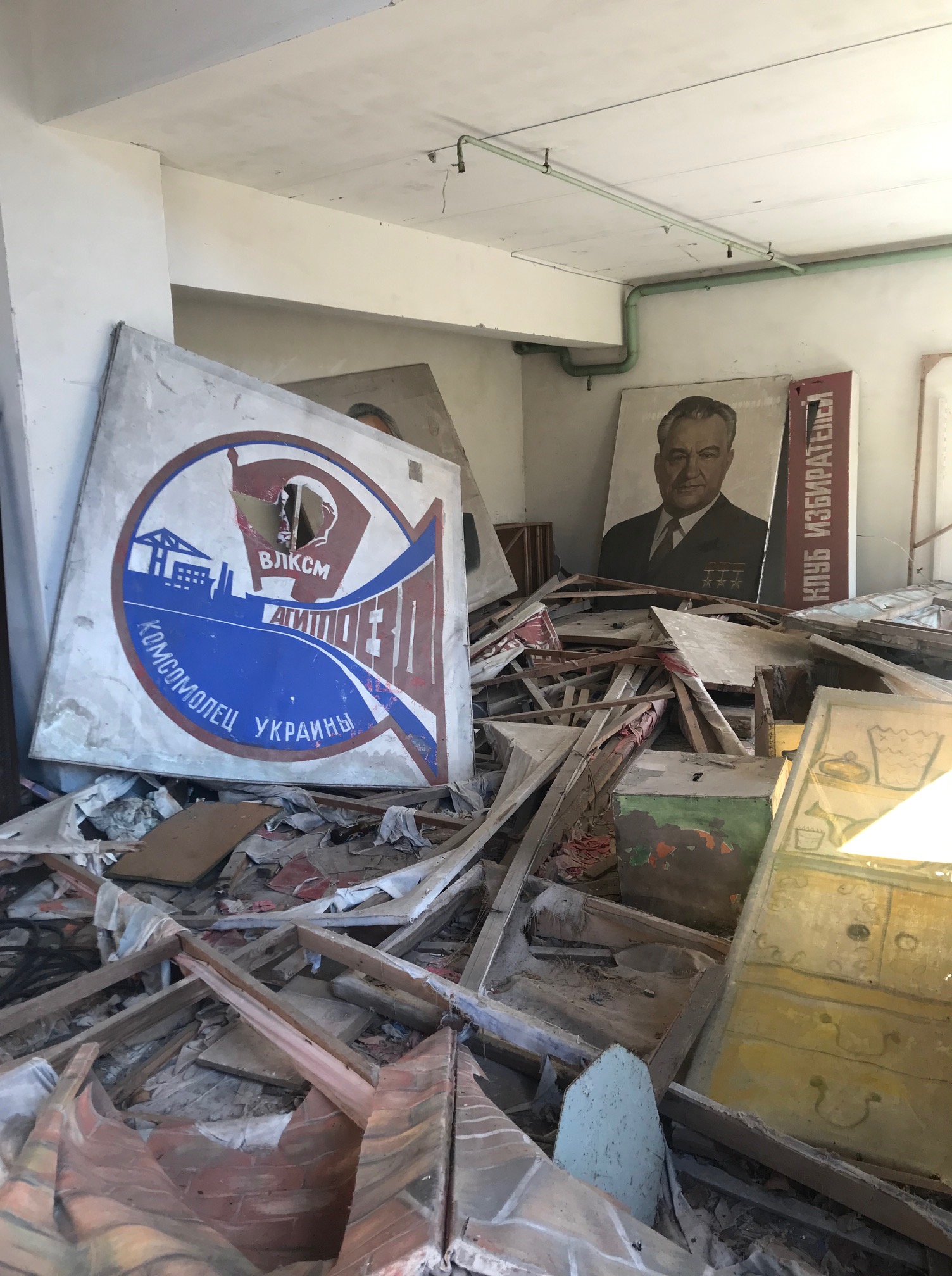
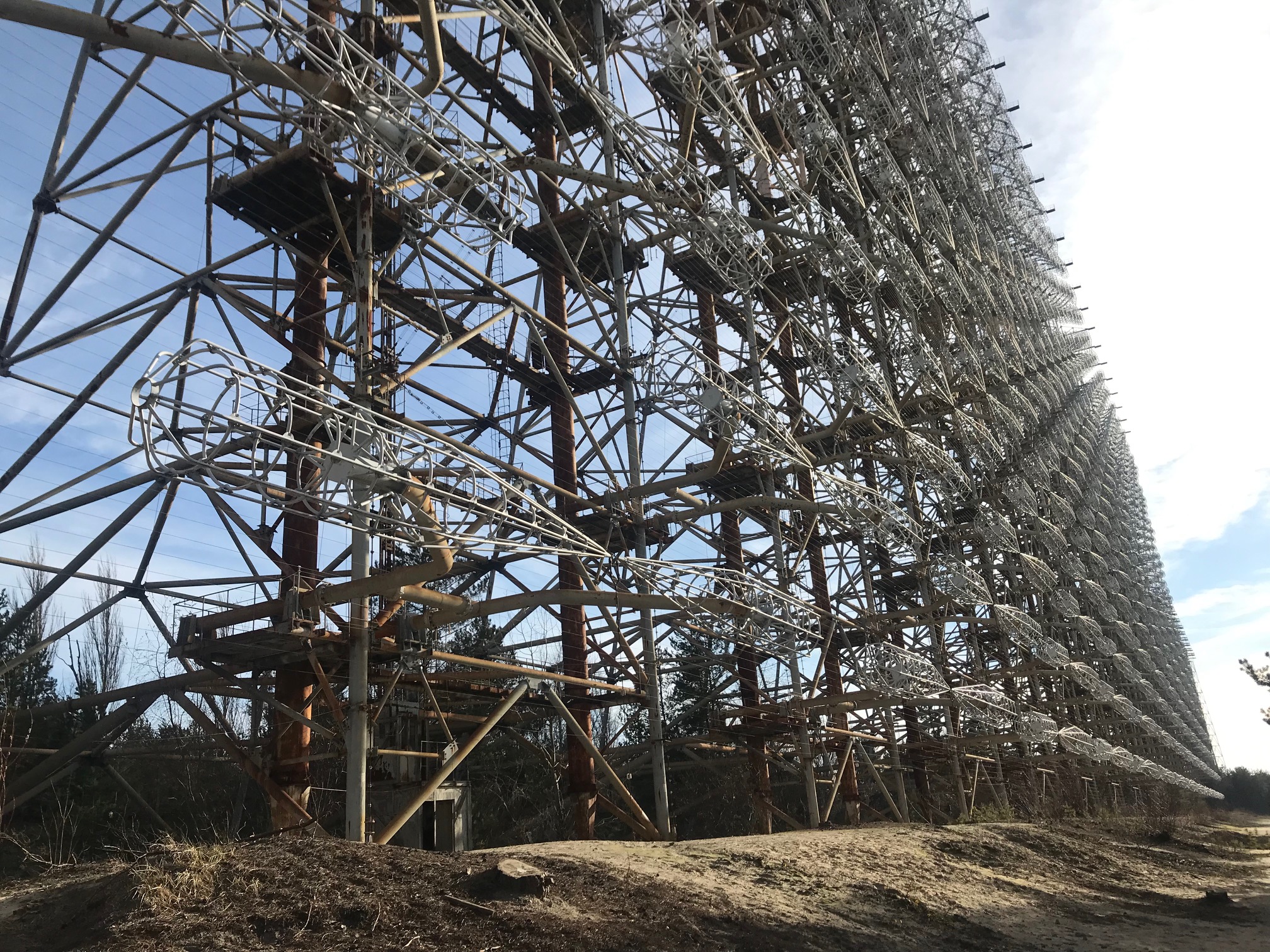
After visiting the powerplants we visited Pripyat, which is an amazing place to explore. As part of this trip we did not visit as many buildings as the previous trip. But I enjoyed strolling through the town and seeing the buildings and propaganda. It is interesting to see the Soviet posters and images which are still strewn around the planned model Soviet city and how life and the city was presented. After visiting Pripyat, we headed to the secret Chernobyl 2 military base, which was hidden within the now irradiated forest. During the Cold War the military base was highlighted as a children’s summer camp on maps. The main feature of the military base is the gigantic Duga 3 transmitter and receiver, which sent out and received a woodpecker noise, searching for incoming missiles as part of the Soviet anti-missile defences. As part of this trip we also explored the buildings at the base, which allowed us to see an original model of the military base. Exploring the Chernobyl exclusion zone is definitely one of the many highlights of living in Ukraine.

The Growth of the Chinese Craft Beer Scene

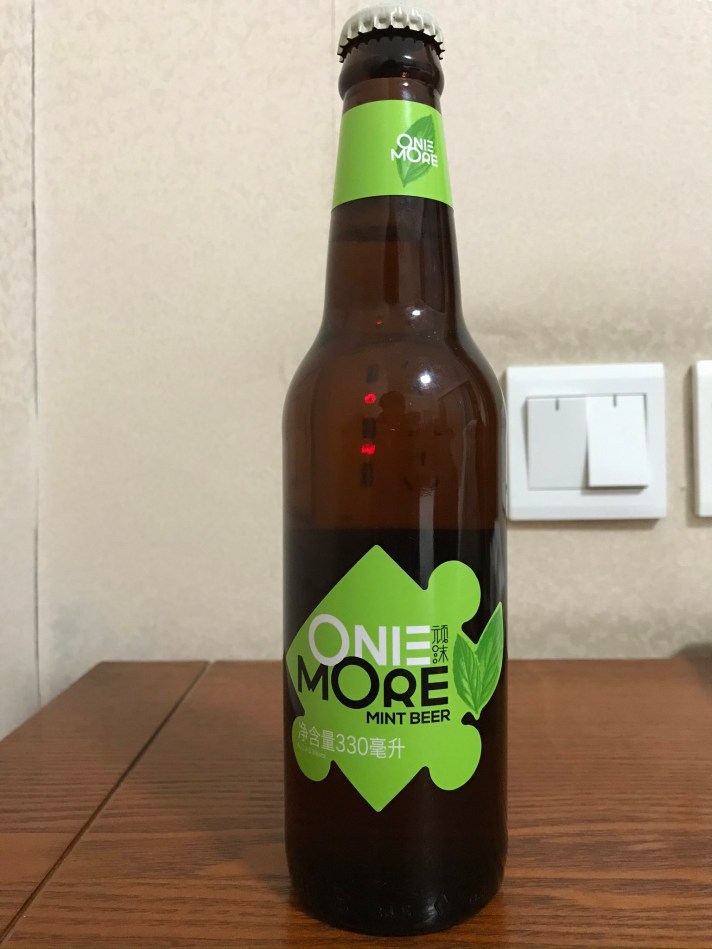
Whilst, it has always been possible to hunt down craft beer in the big cities in China, it was previously a bit of a challenge and search. This normally involved searching and visiting a specific bar and having a draft beer. There was then an extension to being able to get drafts and occasionally bottles in a few restaurants. But on my latest visit to China, whilst visiting Beijing, Chengdu and Nanning I noticed a shift in the availability of Chinese craft beer. Whilst, in Chengdu I was able to have a craft beer in a Chinese (upmarket and central) restaurant, plus when going back to the hotel I was able to get another craft beer at a convenience store. Later in the week when staying in the Tongzhou district in Beijing, I was able to get a couple of interesting craft beer bottles, including a mint beer, from a restaurant with a range of local and imported beers in their fridges. This was particularly useful as I struggled for sleep that night, before flying back to Washington the following morning. I left realising how far the Chinese craft beer scene had come, from having to search for craft beer, to it being offered in convenience stores and small local restaurants. Let’s see if the growth continues during the coming months and years.

The Chernobyl Exclusion Zone

Despite Chernobyl and Ukrainian energy being a regular topic of debate in our household I was yet to visit the Chernobyl Exclusion Zone after 8 months of living in Kyiv. Although, that was set to change as I had a friend visiting from the UK, so it was a good opportunity to undertake some of the more touristic activities, which daily life limits. We visited the Chernobyl exclusion zone and within it Chernobyl itself, Pripyat and a secret Soviet base which housed a ginormous Anti-Missile radar.

The visit to the exclusion zone started with a visit to the small town of Chernobyl, after which the nuclear power station got its name from, before a visit to reactor 4 to view the new casing. Whilst, the view of the casing itself is not too impressive, it’s amazing to think that the reactor only the other side of the wall, reactor 3 was still active and generating power until 2000.

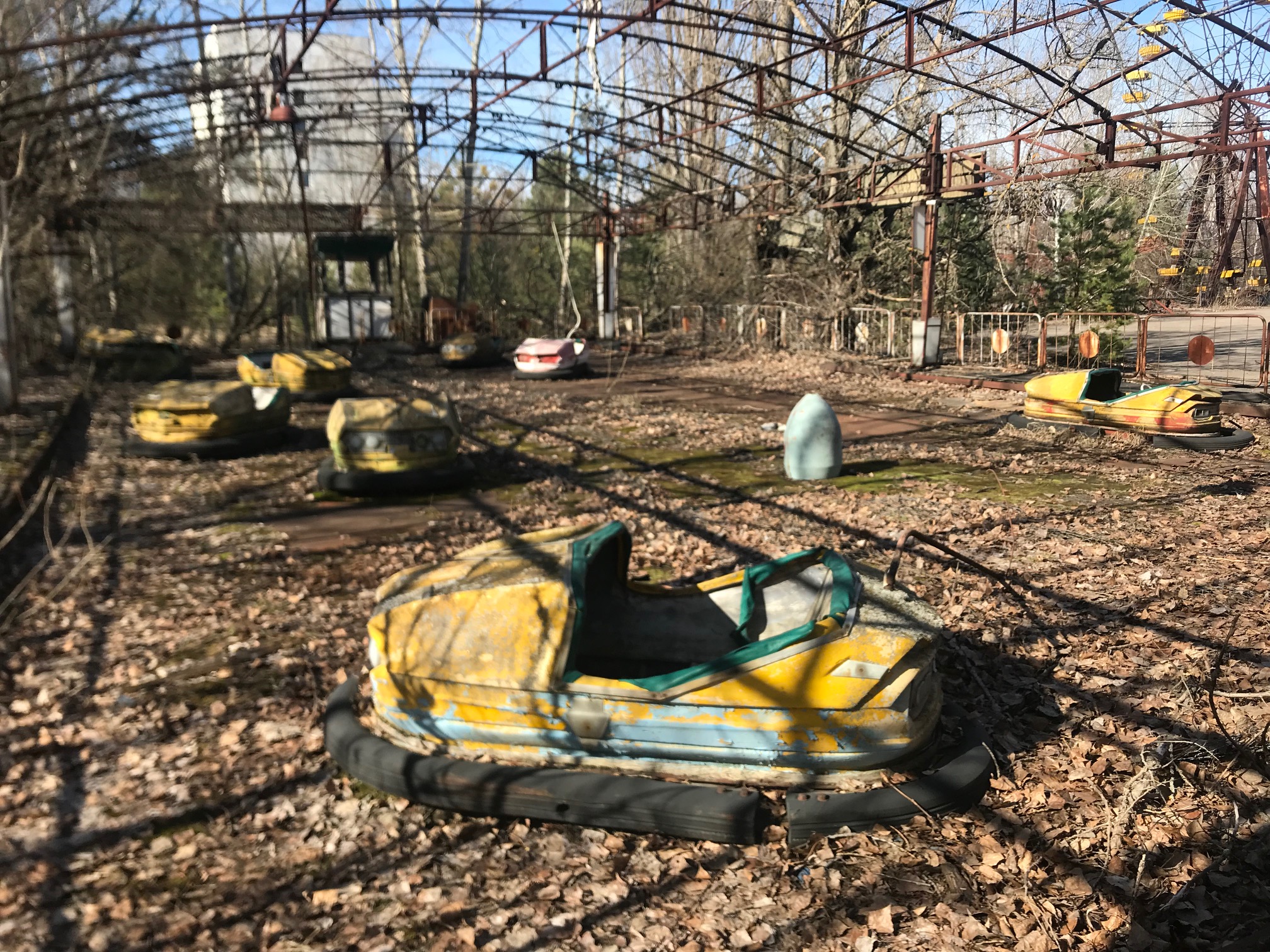
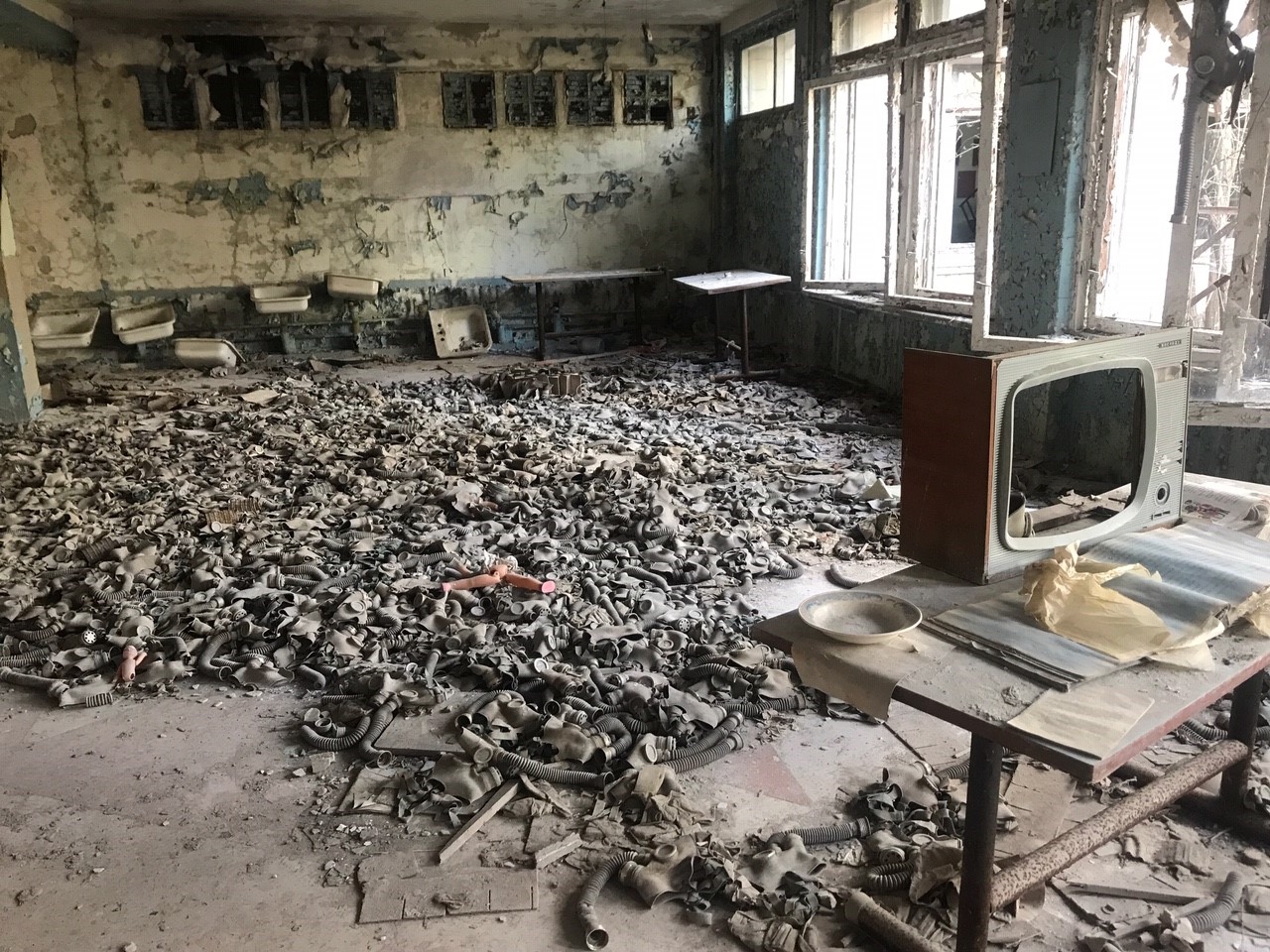
After visiting the power plant we visited Pripyat, which was definitely a highlight for me. The ability to walk around the model soviet city, which was now a ghost city was an amazing experience. With my friend having played the STALKER shadow of Chernobyl series of games, he enjoyed walking through the city exploring many of the buildings which appear in the games. Many of which and the general landscape around the exclusion zone, he described as surprising accurate. Whilst, walking through the city it was eerie to think about the residents, who were given only hours to evacuate and told they would return in only a matter of days, but who never returned to live there again. The desperation of the liquidators, who were given the task of cleaning the costly model city after the disaster with the goal of allowing the residents to move back, highlights how little was known about the disaster and its effects at the time. The liquidators went through the city clearing the apartments of radioactive items and then burying the items in trenches, cleaning the buildings and removing the topsoil. Some areas of city are still highly radioactive including the hospital where those around the reactor were treated after the disaster and the graveyard where the liquidators were unable to remove the required depth of radioactive top soil. During our walk around Pripyat we saw numerous sights and visited the Supermarket, Palace of Culture, Fairground, Middle School #3, the Azure Swimming Pool in the Leisure Centre and the Police and Fire Station. Viewing these buildings was like going back in time and showed the slow decay of a city left to nature.

Before returning to Kyiv we visited an abandoned Soviet military base which housed a Duga anti-missile radar. The radar was responsible for the Russian Woodpecker noise and is the only one still remaining, as the two others which were located in Russia have been removed. The radar is massive in scale, standing at 150 metres tall and nearly as far as the eye can see long. The area around the radar is like a beach, as the army sandblasted the radar after the Chernobyl disaster to clean it. The radar was launched in 1976 and decommissioned in 1989 as it was not as successful as hoped due to natural fluctuations in the atmosphere, but it has been left there untouched as it is in the exclusion zone.

SDUST 2019

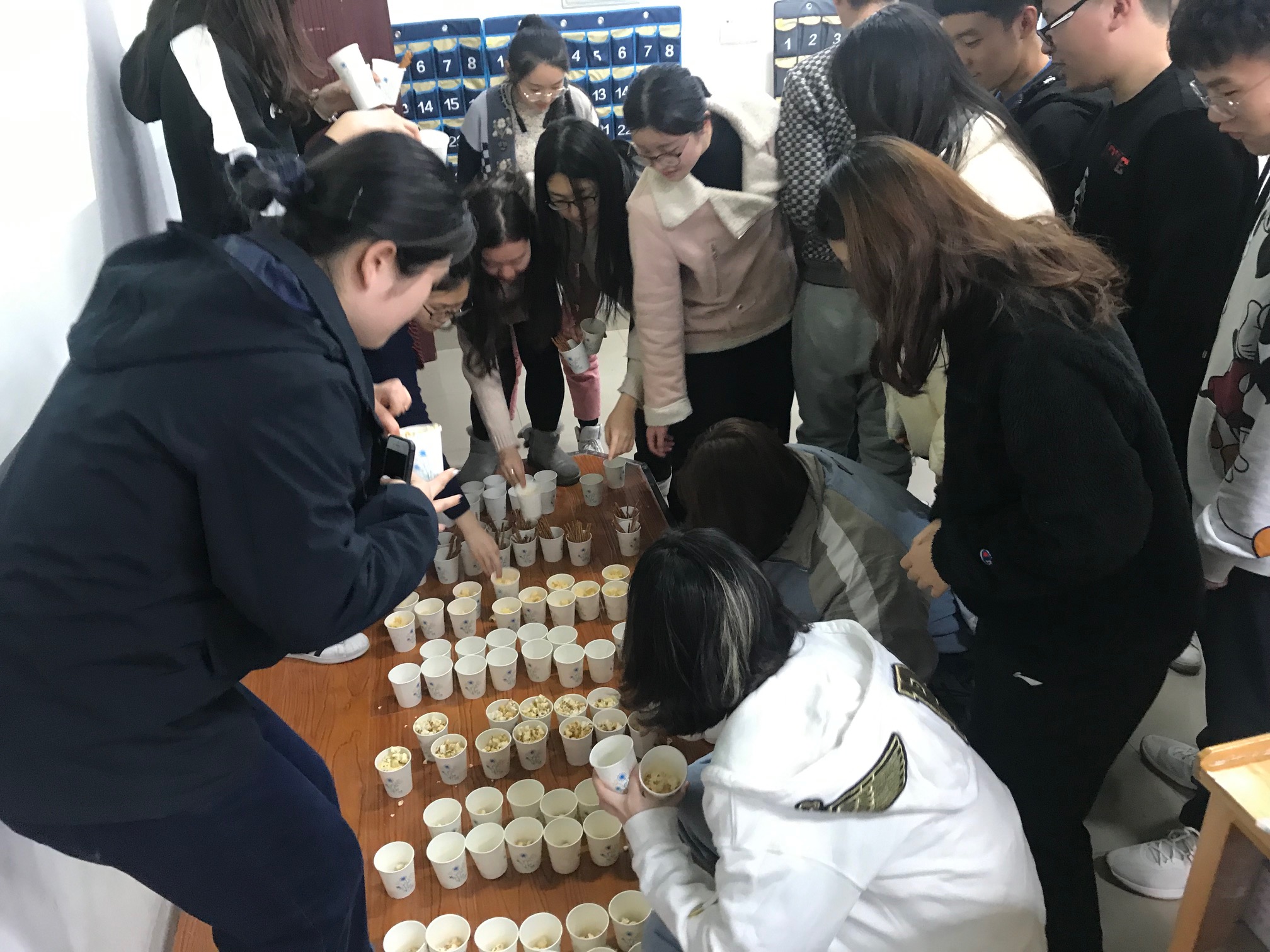
It was time to return to Jinan and Shandong University of Science and Technology (SDUST) to teach marketing as part of a University of Worcester collaborative program. The course had to be revised this year in line with new requirements from SDUST. This meant that Market Street was gone and an exam had to be included, alongside some more practical assessment. These changes made constructively aligning the course, whilst ensuring it was true to similar courses at Worcester, more challenging. However, it was still possible to achieve this, which allowed for some fun activities such as blind water and snack tasting and designing playdoh sweets.

The exam required both multiple choice and short answer components according to the new local regulations. This was my first time writing a multiple choice exam and took longer than I expected, as it was harder than I expected to come up with answers which were not obviously wrong. It is challenging to come up with multiple choice questions which can separate high and low achieving students, thus the answers cannot be too easy or too hard.

The trip was busy as the teaching schedule was intensive and the weekends were taken up by a trip to Nanjing and a trip back to Beijing to see colleagues off and meet new colleagues. This meant that it was not possible to explore Jinan much, although I did manage to find a cat café, which had good cats, coffee and cake. All of which can be challenging to locate, certainly all in one place. This brightened up the evenings after a long day of teaching.

Whilst, in Nanjing we visited the Ming tombs and the Sun Yat-Sen Mausoleum. The Mausoleum was more challenging to visit than I previously remembered, as you needed to register your details on WeChat to get an eticket. Luckily, we found someone who could help, as the registration was all in Chinese, and I had an active sim card, as without these two things it would have been nearly impossible to get the required eticket. Whilst, in Nanjing I met with colleagues to finalise a new funding bid for submission, so fingers crossed for a positive outcome. Plus, during a visit to 1912 I managed to visit a new craft brewery. During previous visits there, I have not seen any craft breweries so this was a welcome addition to the cliché bars and restaurants. After a busy 20 day trip in China it was straight to Germany to teach on the Worcester DBA.

Turkey Hill Experience

Whilst in the US for New Year I visited the Turkey Hill Experience in Columbia Pennsylvania. I had previously visited the Turkey Hill Experience numerous years ago, when it was a lot less interactive. This visit was far more engaging and we undertook a tea experience and an ice cream lab session. It felt like being on The Apprentice, as there is the opportunity to design a new type of ice cream, its packaging and an advert. When designing ice cream, we started off with a vanilla base and then added flavourings, then inclusions before variegates. There was fifteen different flavourings, twenty inclusions including nuts, sweets and biscuits and ten variegates to swirl into the ice cream to choose from. The ice cream I designed was teaberry (with a hint of cotton candy) with a marshmallow and peanut butter swirl and graham cracker and marshmallow pieces. On reflection, the ice cream was rather overloaded with taste and flavour.

The experience also provided a good over view of the emergent strategy that Turkey Hill went through, originally focusing on milk and ice cream production and then added ice tea using excess production capacity. They also moved from a local delivery system to developing mini markets and gas stations to further expand their range. This led to them having a range of vertically integrated business interests to supply and distribute their products.