EU CRUZE Project

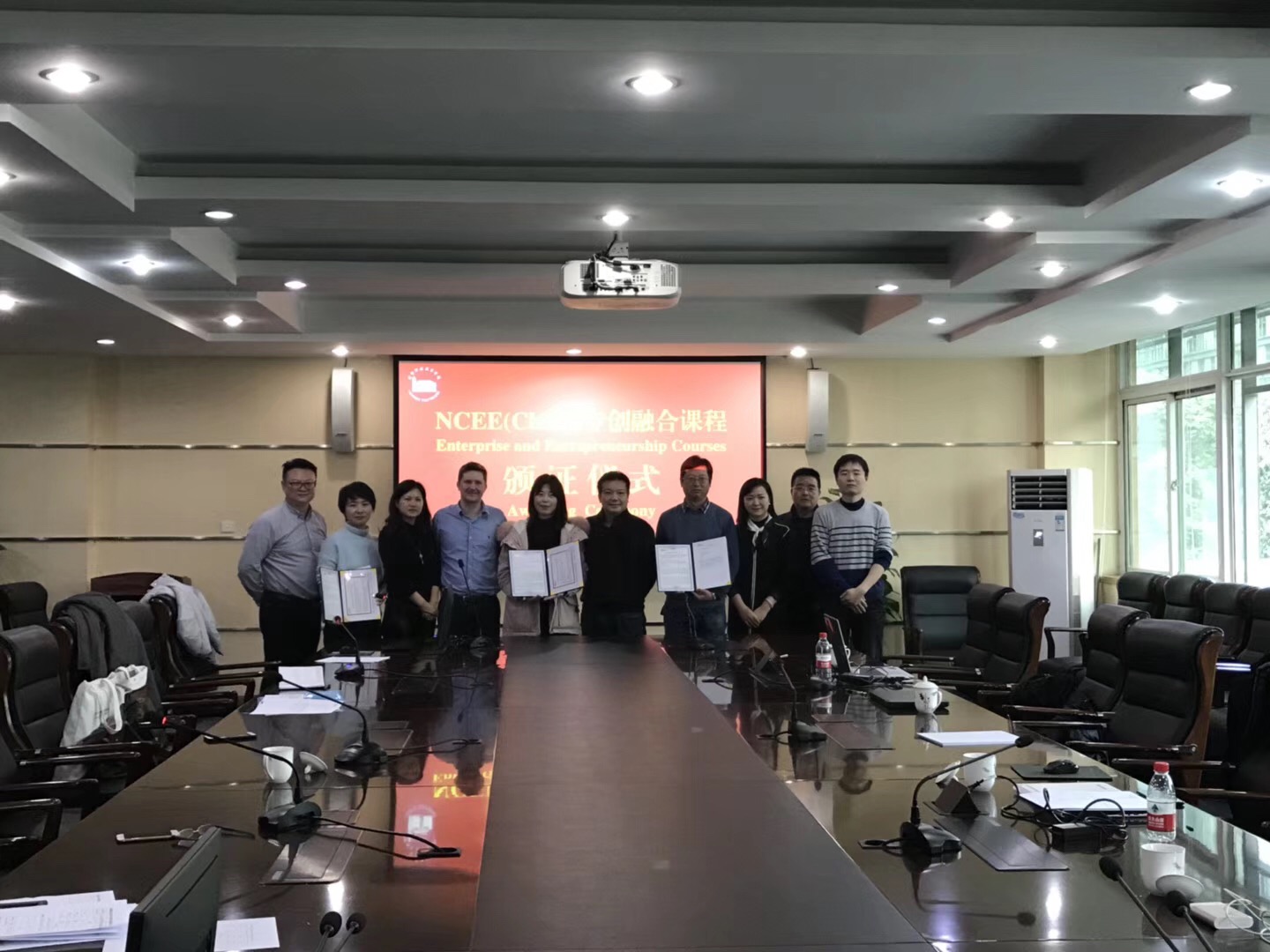
In March, I led a team to submit an EU Erasmus KA2 project bid. The bid was a revised version of a bid submitted the previous year that narrowly missed out on funding. Against this backdrop, it make sense to revise and resubmit. After a month’s delay in announcing the funding of project, we received the good news that our project would be funded. Under my leadership, the University of Worcester will manage the project, working with partners from London, Belgium, Sweden and Turkey to develop tailored cross cultural training materials to support the development of learners cross cultural skills in both higher education and industry.

The project aims to develop the intercultural competencies of graduates in Europe by enhancing the quality and relevance of their skills to enable them to be active professionals in the European working environment. The project investigates the perceived and actual intercultural competencies of graduates needed by employers and subsequently provides outputs that help address these needs. The project responds to the European Commission’s (EC) Strategic Framework – Education & Training 2020 view that there has been a lack of focus on the involvement of social institutions on the cross-cultural skill-needs that companies have and on the effectiveness of investment in education and training in this area on business productivity.

The outputs of the project will include:

  1. A Competencies and Skills Report, which will highlight the intercultural skills needed by employers and highlight gaps in current student competencies;
  2. A Cross-cultural Competencies and Skills Development Toolkit, which will include a range of case studies and teaching materials;
  3. A Cross-cultural Competencies and Skills Development Training Manual, which will explain how educators can effectively utilize the teaching materials. The outputs will all be open-access.

As the output from the project are complete, I hope to share links to them via my blog and website, so stay tuned for my information.
SDUST 2019

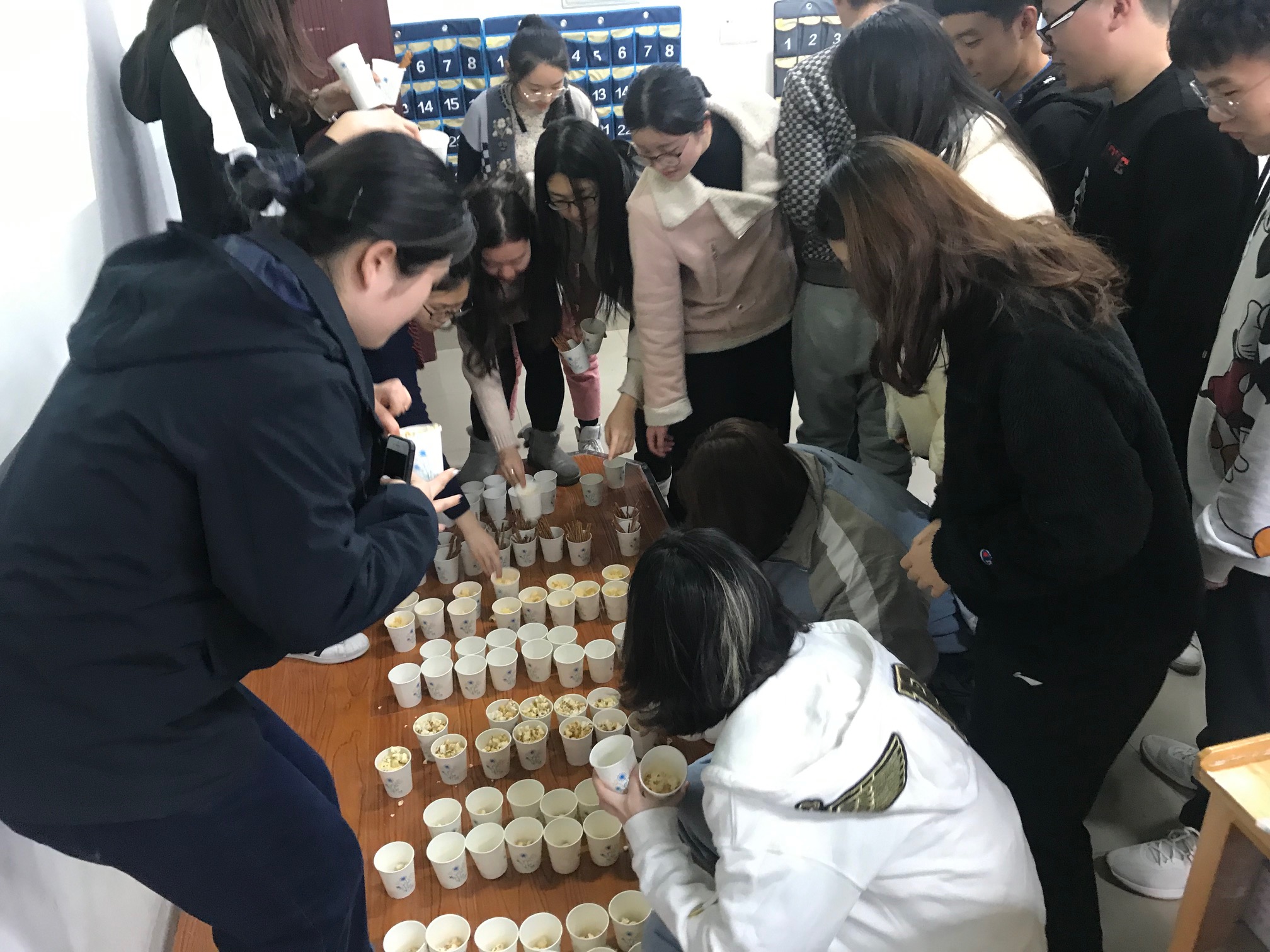
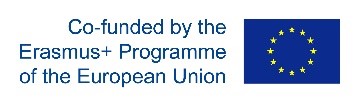
It was time to return to Jinan and Shandong University of Science and Technology (SDUST) to teach marketing as part of a University of Worcester collaborative program. The course had to be revised this year in line with new requirements from SDUST. This meant that Market Street was gone and an exam had to be included, alongside some more practical assessment. These changes made constructively aligning the course, whilst ensuring it was true to similar courses at Worcester, more challenging. However, it was still possible to achieve this, which allowed for some fun activities such as blind water and snack tasting and designing playdoh sweets.

The exam required both multiple choice and short answer components according to the new local regulations. This was my first time writing a multiple choice exam and took longer than I expected, as it was harder than I expected to come up with answers which were not obviously wrong. It is challenging to come up with multiple choice questions which can separate high and low achieving students, thus the answers cannot be too easy or too hard.

The trip was busy as the teaching schedule was intensive and the weekends were taken up by a trip to Nanjing and a trip back to Beijing to see colleagues off and meet new colleagues. This meant that it was not possible to explore Jinan much, although I did manage to find a cat café, which had good cats, coffee and cake. All of which can be challenging to locate, certainly all in one place. This brightened up the evenings after a long day of teaching.

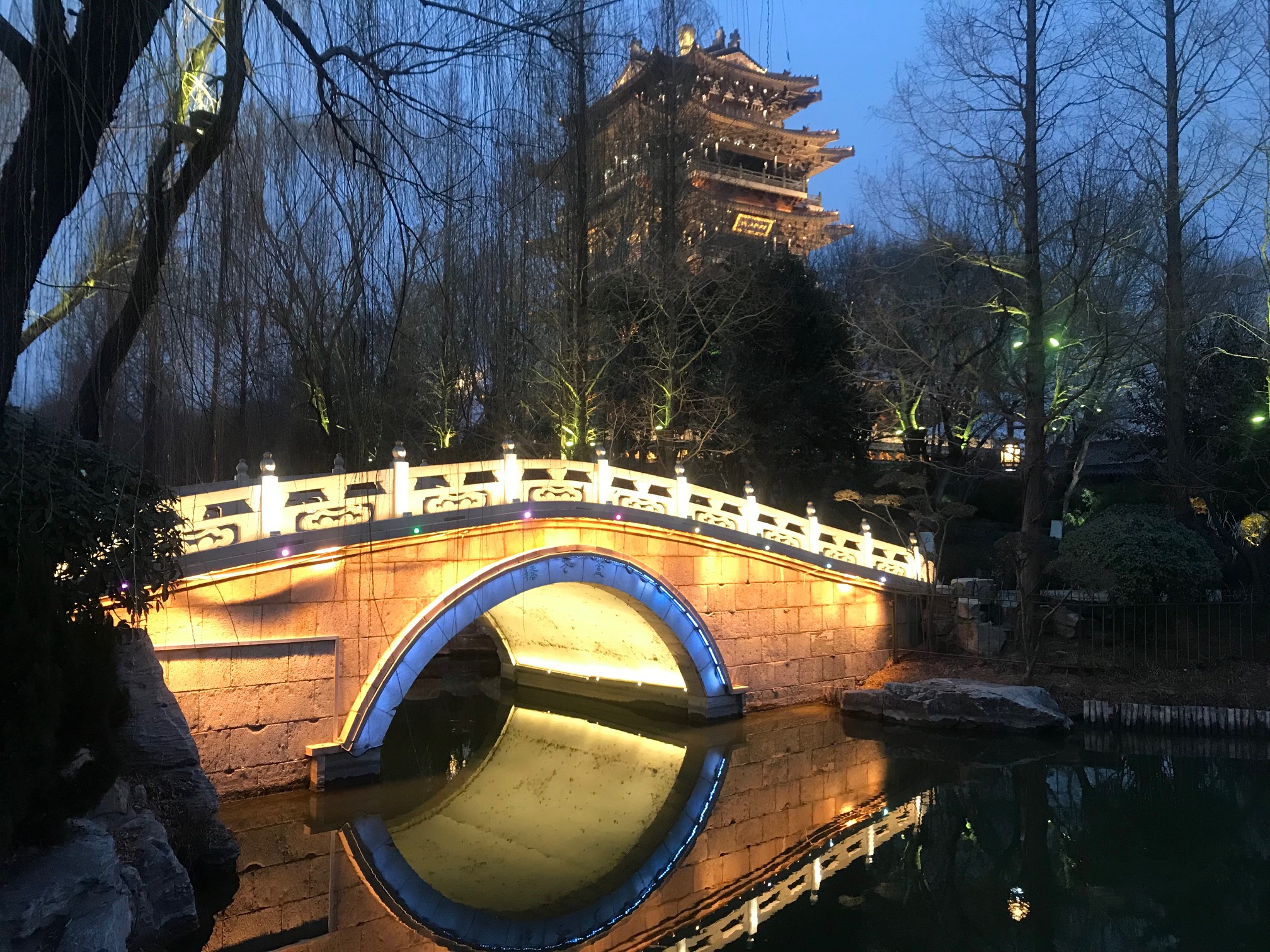
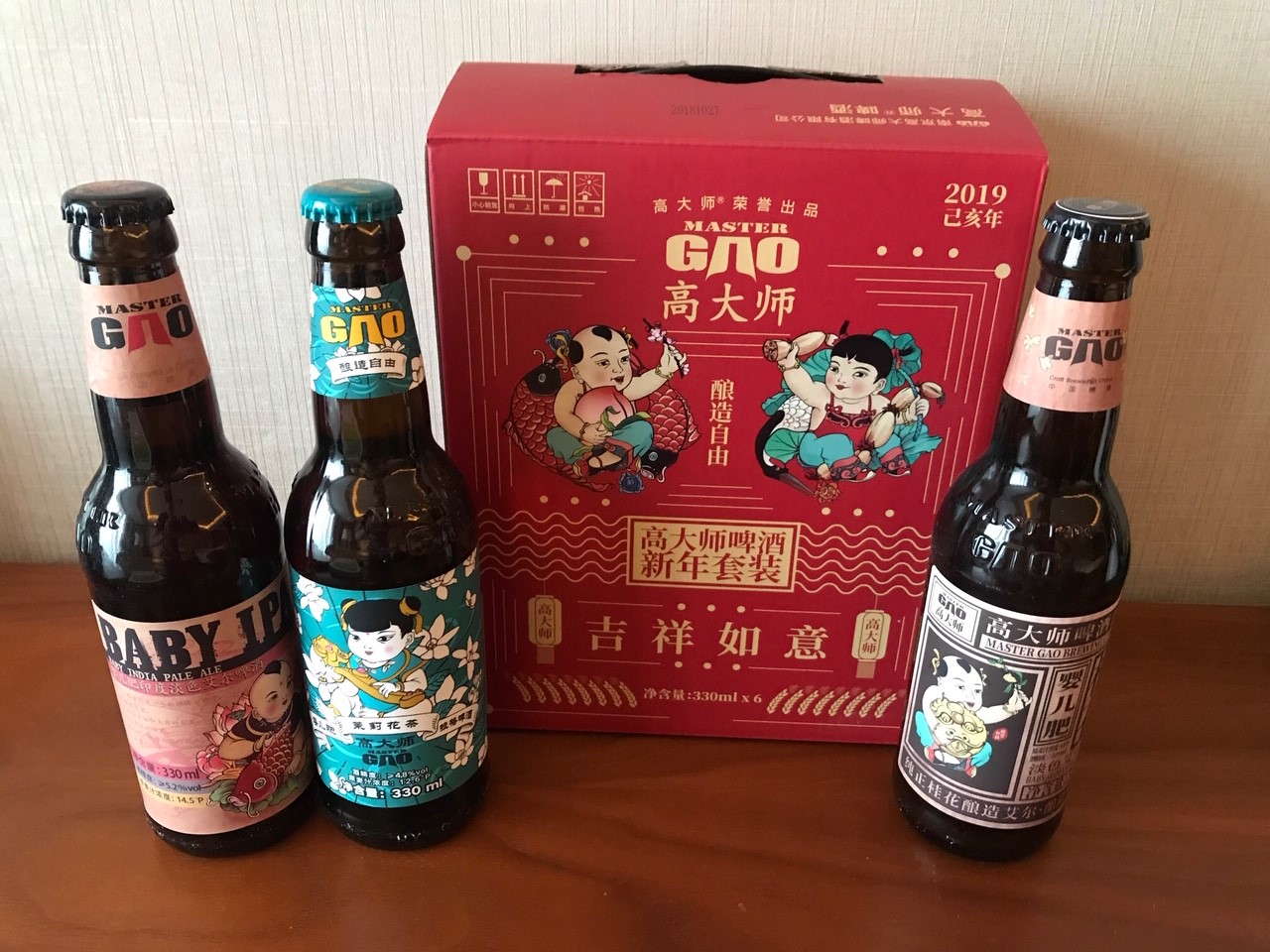
Whilst, in Nanjing we visited the Ming tombs and the Sun Yat-Sen Mausoleum. The Mausoleum was more challenging to visit than I previously remembered, as you needed to register your details on WeChat to get an eticket. Luckily, we found someone who could help, as the registration was all in Chinese, and I had an active sim card, as without these two things it would have been nearly impossible to get the required eticket. Whilst, in Nanjing I met with colleagues to finalise a new funding bid for submission, so fingers crossed for a positive outcome. Plus, during a visit to 1912 I managed to visit a new craft brewery. During previous visits there, I have not seen any craft breweries so this was a welcome addition to the cliché bars and restaurants. After a busy 20 day trip in China it was straight to Germany to teach on the Worcester DBA.

Final Trip to China for 2018

My final trip to China for the year, took me back to Beijing to complete my Entrepreneurship and Innovation class at Beijing Foreign Studies University (BFSU) and allowed for another couple of trips. The Entrepreneurship and Innovation course had run smoothly so going back for the two weeks to complete the final four sessions was relatively stress free. Within the sessions I had the opportunity to run a couple of new experiential activities, which is always fun to see and gauge the reactions.

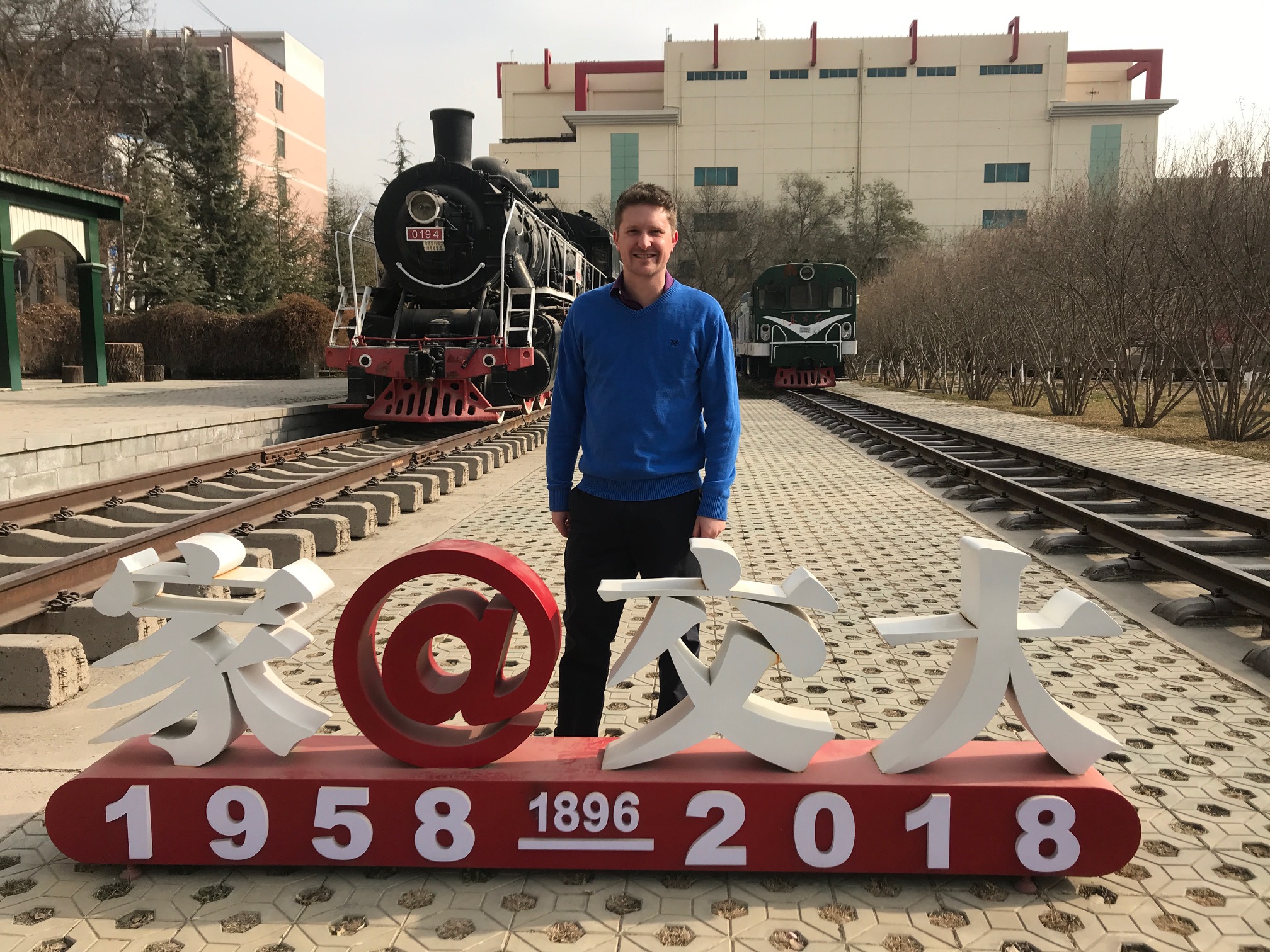
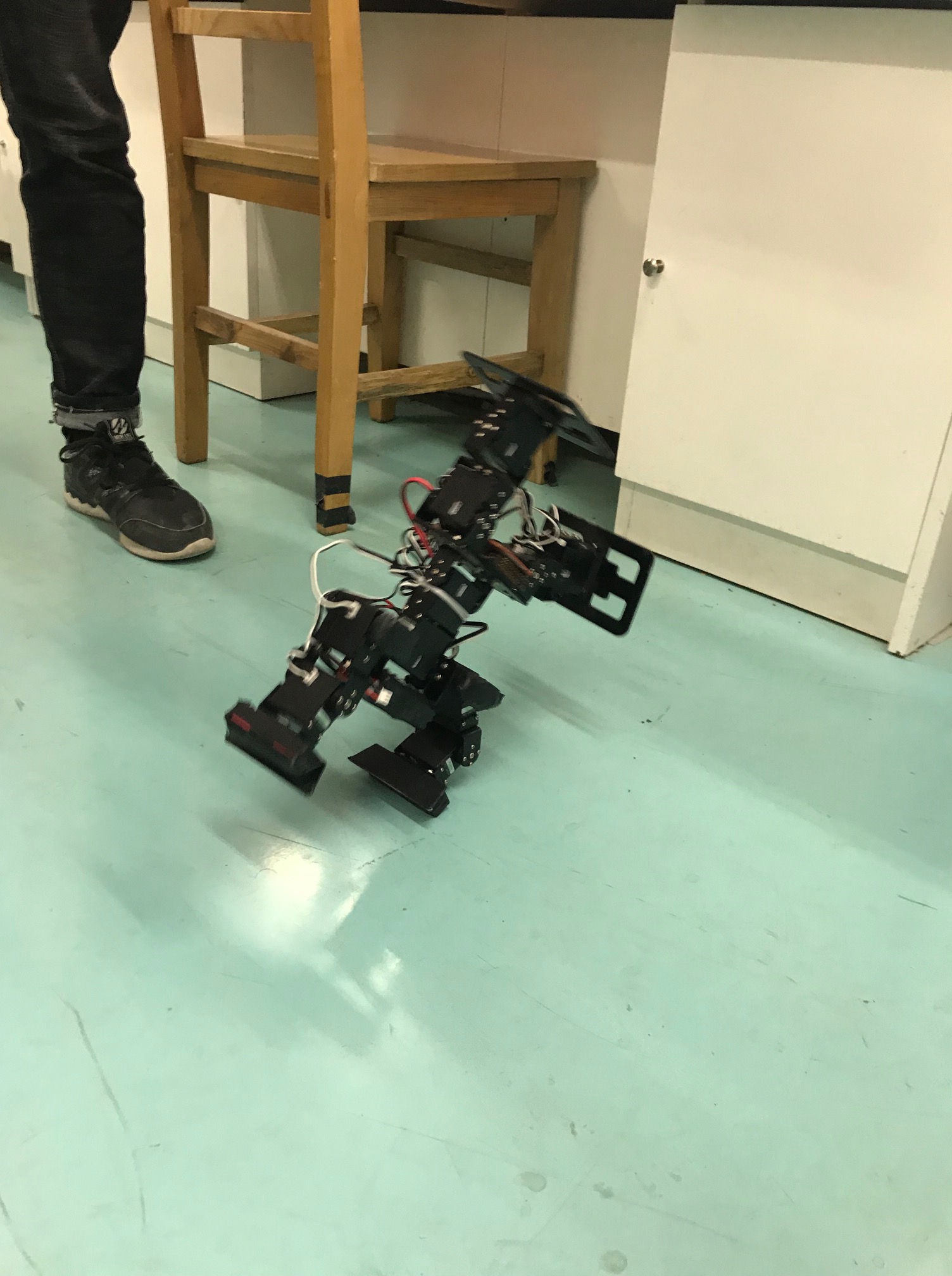
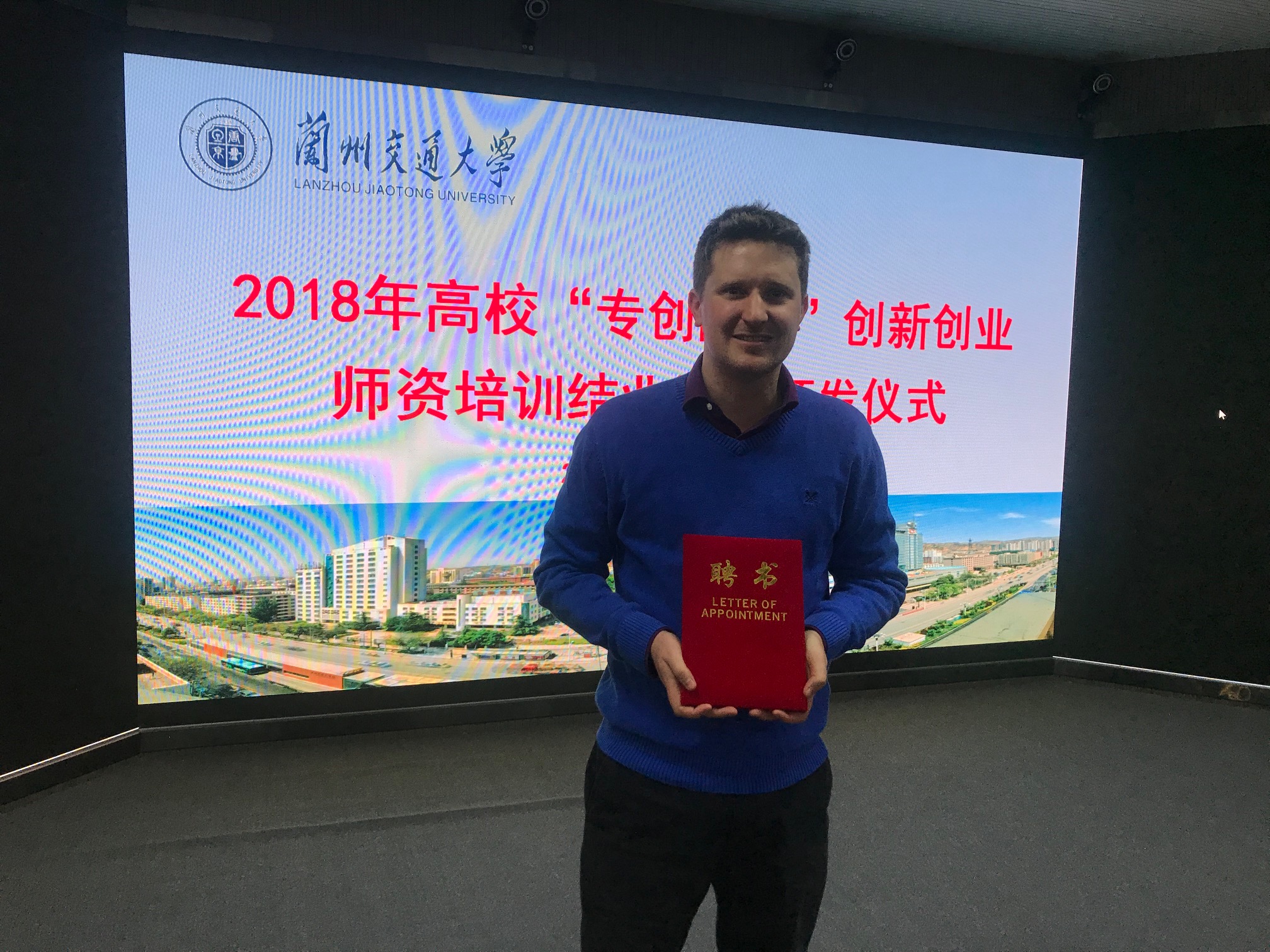
Also whilst in China I visited Lanzhou Jiaotong University to work with them on developing their entrepreneurship curriculum. They are currently designated as a National Centre for Entrepreneurship, so their entrepreneurship ecosystem is strong. They impressively link entrepreneurship with mechanical and electrical engineering and I had the chance to see the numerous projects being conducted by students in the robotic laboratory and hear of their commercialisation goals. Whilst at Lanzhou Jiaotong University I received an Entrepreneurship Education Advisory fellowship, to run for two years.

During my final week in China I visited Chengdu Polytechnic for my 4th time, and what I believe final time, to complete an ongoing entrepreneurship curriculum embedment project I have been working on for the last 18 months. The institution now has entrepreneurship embedded in 3 different disciplines, so the trip offered the opportunity to speak to colleagues and provide some suggestions for future development.

BFSU Immersion Week in Pingyao

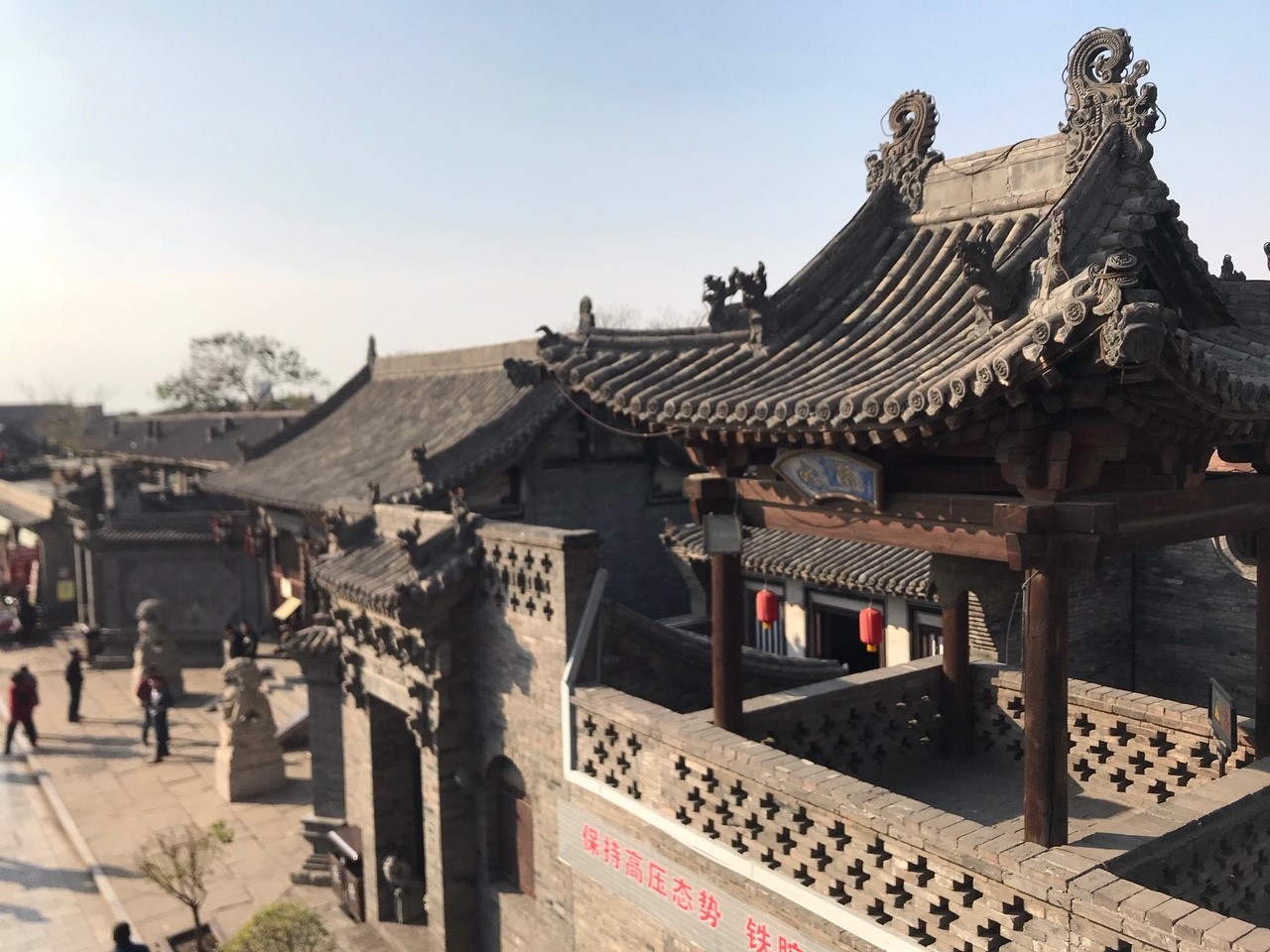
Each semester as part of the study program at the International Business School at BFSU there is an immersion week, which is essentially a field trip where students work on live case studies and develop a reflective log. This semester there was three different locations, and I had the option to choose which one I wanted to attend (a choice I received but students did not). The choice was between staying in Beijing, going to Foshan in Guangdong or Pinyao in Shanxi province. During a couple of previous immersion weeks I had stayed in Beijing and visited some fascinating local businesses. But with no major reason to stay in Beijing and the desire for some different scenery I decided on visiting Pingyao. It is a historic UNESCO heritage city that I have wanted to visit but have never had time. It is often referred to as the Chinese Wall Street from the previous century, due to being a trading location and the location of the first private financial institutions in China for deposits, loans and exchange. So it has lots of history and historic buildings to explore. The student task for the trip was to develop a new innovative tourism business concept. So included in the trip are numerous tourist activities including visiting the ancient city and temples, Rishengchang (China Museum of Exchange Shop), Zhangbi Ancient Fortress and the Qiao family residence.

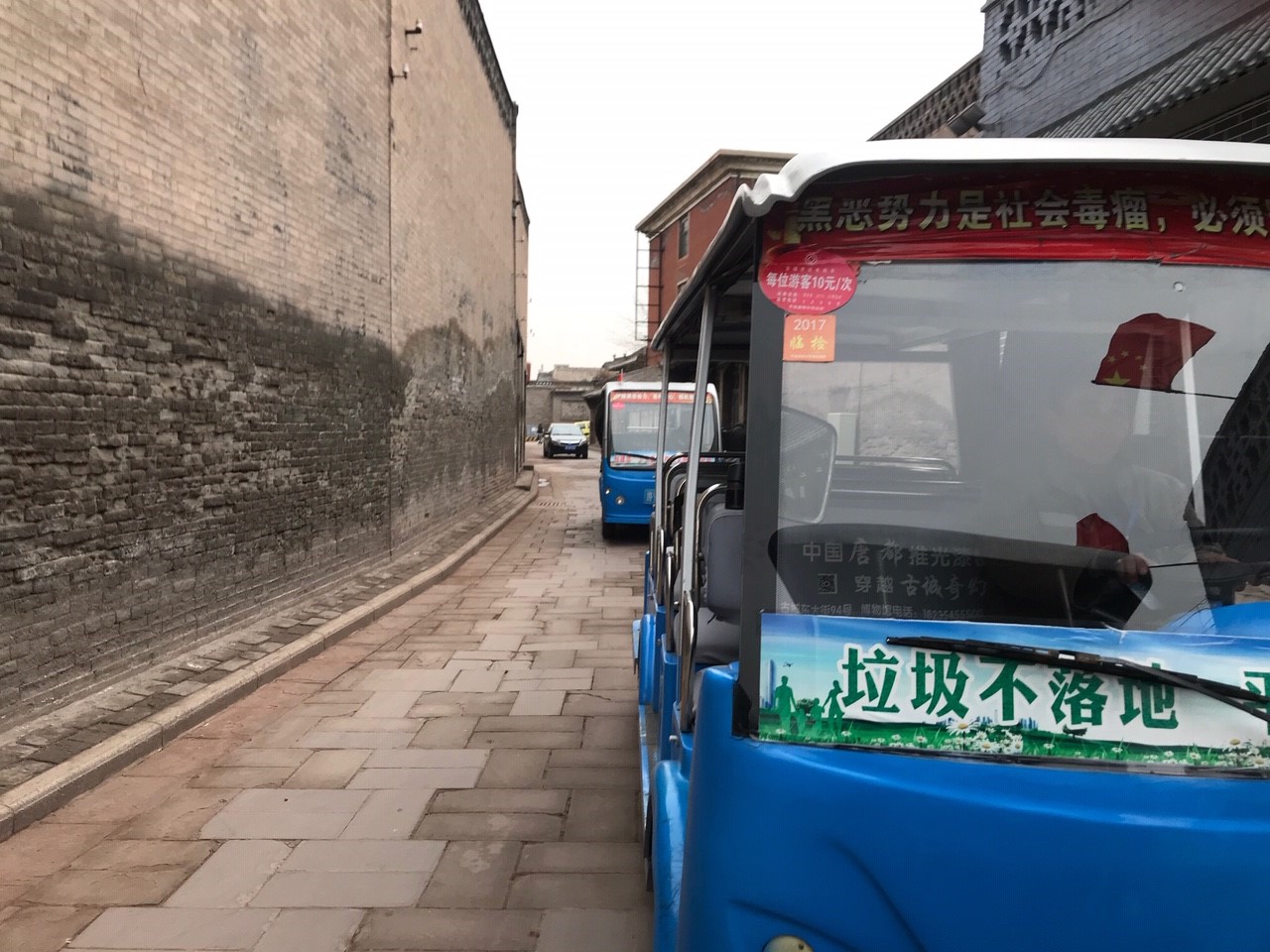
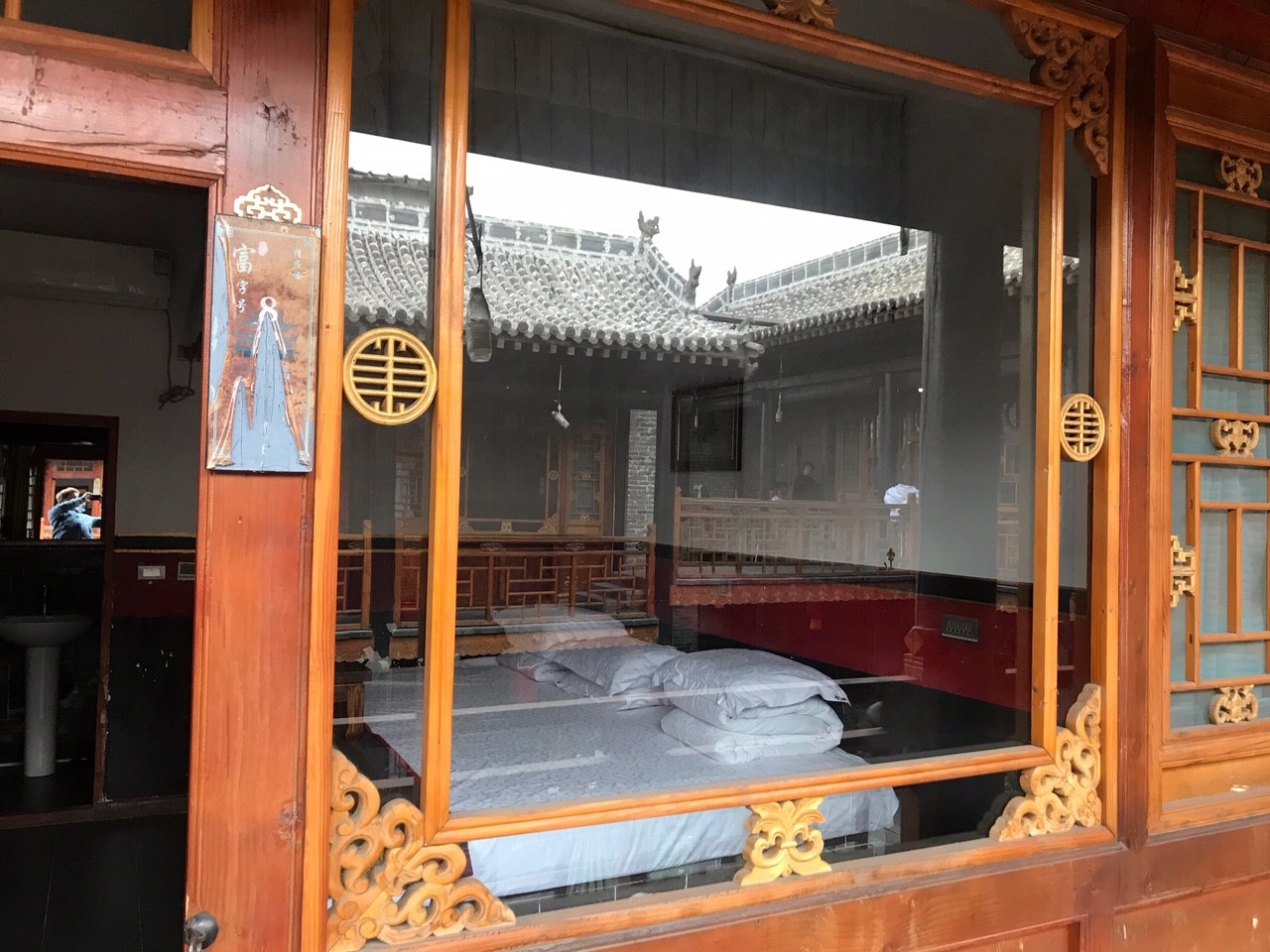
The start of immersion week involved me delivering a session on innovation and value propositions to the 200 students involved in all the immersion week activities. The Beijing, Forshan and Pingyao activities were all focused on innovation and enterprise, so this laid the foundation for the tasks the students would complete during the week. After completing the 4 and a quarter hour high-speed train journey from Beijing, we had the first opportunity to see the ancient city of Pingyao from the electric buggies which drive around the city. Due to the nature of the city and its narrow old streets, cars are not allowed in the city. Which means the city is frequented by electric buggies, which zoom around, following a kind of informal set of driving laws. This does give the feeling that you are involved in a type of Mario Cart game, complete with last minute breaking and overtaking. The hotel was a quaint hotel, set around a nice courtyard, although, it did get very cold in the night. It was also cold in the day and I found myself wearing two jumpers and a coat each day, which was my entire clothes supply for the week.

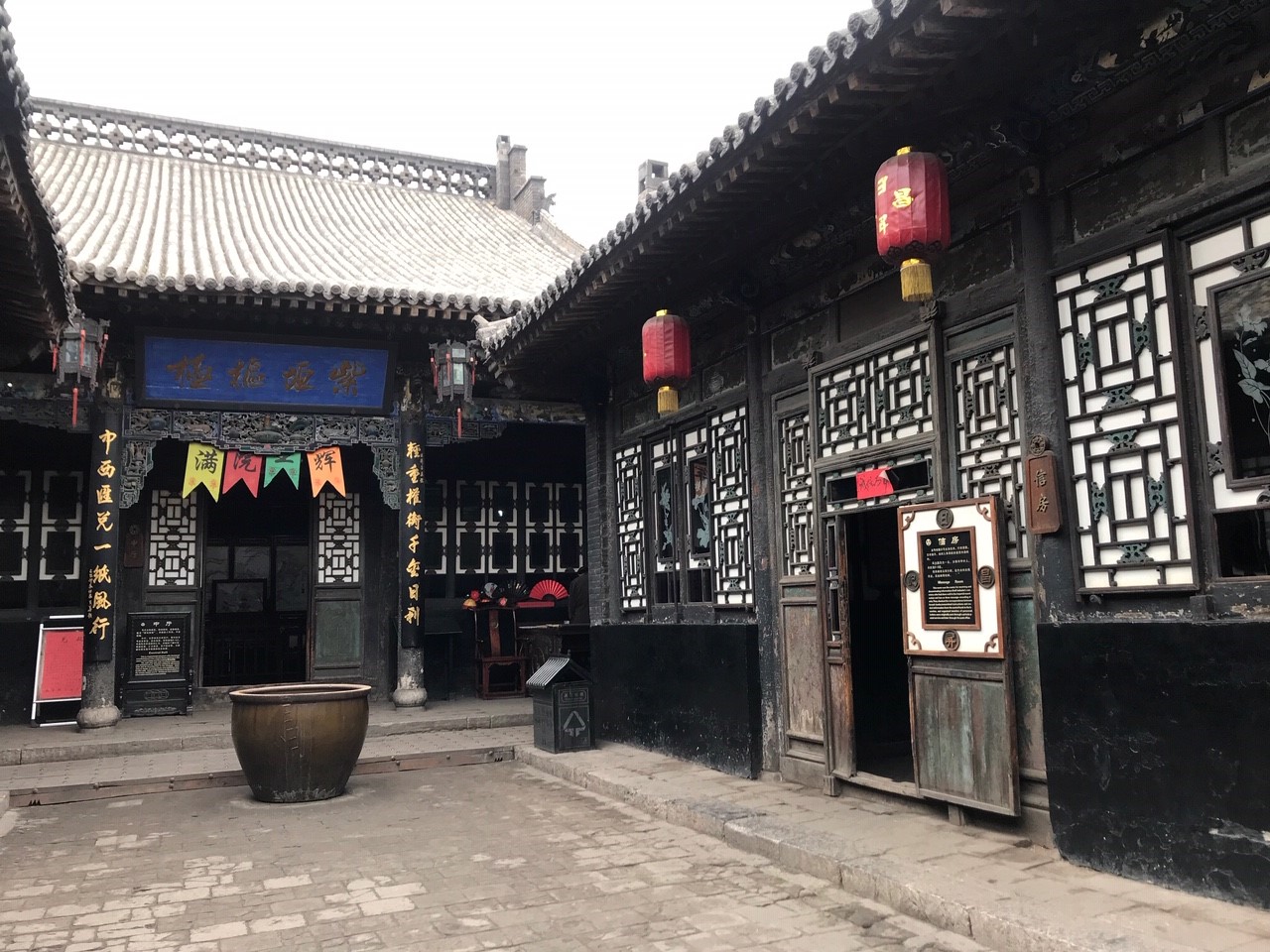
The highlight of the trip for me was visiting the Rishengchang and two old banks and hearing how they created an ecosystem, which helped the city thrive in its heyday. The banks allowed not only deposits, but supported the exchange of the various different currencies used in China at that time. This meant that the city was a great place to do national business, across all the different regions of China. We also visited several of the support services which existed and developed to support the ecosystem, including security escort services to support trade and the court system. The visit highlighted that even hundreds of years ago, a strong and supportive ecosystem was required to support urban and business development. From a tourist perspective the city is a great place to visit, particularly during this time of year, if you are prepared for the cold, as the number of tourists is limited. There is not that much infrastructure for foreign tourists as the vast majority of visitors are domestic tourists. This made findings a cup of coffee in the morning quite tricky, plus one lunch time a visit to McDonald’s was necessary to take a break from the same pattern of food. But the city and some of the surrounding sites are definitely worth a visit.

Start of Course at Beijing Foreign Studies University and North Minzu University Visit

This week I started the delivery of an Entrepreneurship and Innovation course at Beijing Foreign Studies University (BFSU). It is a course I have delivered a couple of times previously, however the other times I have delivered the course I was living in Beijing. This made the experience significantly different, getting used to living on campus (in Haidian) and surviving without home comforts. All of the activities and restaurants I know are on the other side of the city, which is a reasonable distance to travel in Beijing. This made finding new locations an essential first task. New supermarkets, restaurants and good coffee locations.

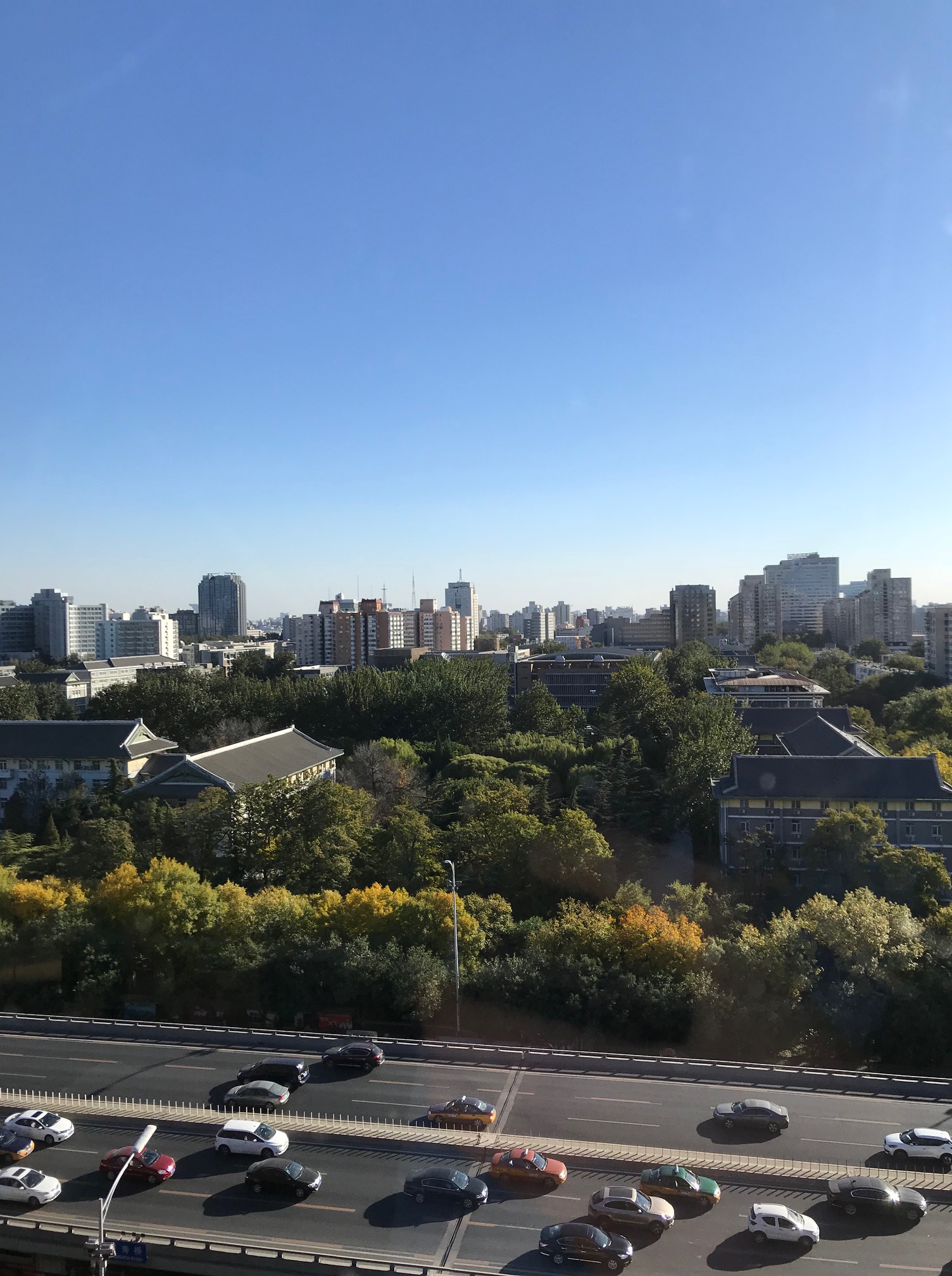
The week following the start of the course, I went to visit North Minzu University (NMU) University in Yinchuan, Ningxia. Six months previously, I developed the partnership which saw NMU send 11 funded students to Worcester. It was the first time I had visited Ningxia and Yinchuan since 2011, so it was interesting to see how the city had developed. I remember the city having a new airport and a large highway connecting it to the city, which was considerably under capacity. The new part of the city is very peaceful and calm, with well-designed open space. The air was also clear and crisp, which allowed for seeing the Helan Mountains, which form the border between Ningxia and Inner Mongolia. Plus there was not a cloud in the sky and it felt like the blue sky was so big and went on until the end of the horizon. Whilst at NMU I delivered a short session on the difference between entrepreneurship and management, constructed from the first week of teaching at BFSU. The session required some organizing and coaxing to get 120 students up, into groups and moving around the lecture theatre and hallway. Although, the outcome of running an activity designed for circa 40 students with 120 students seemed to work ok in the end.
Zipping Across Europe and China

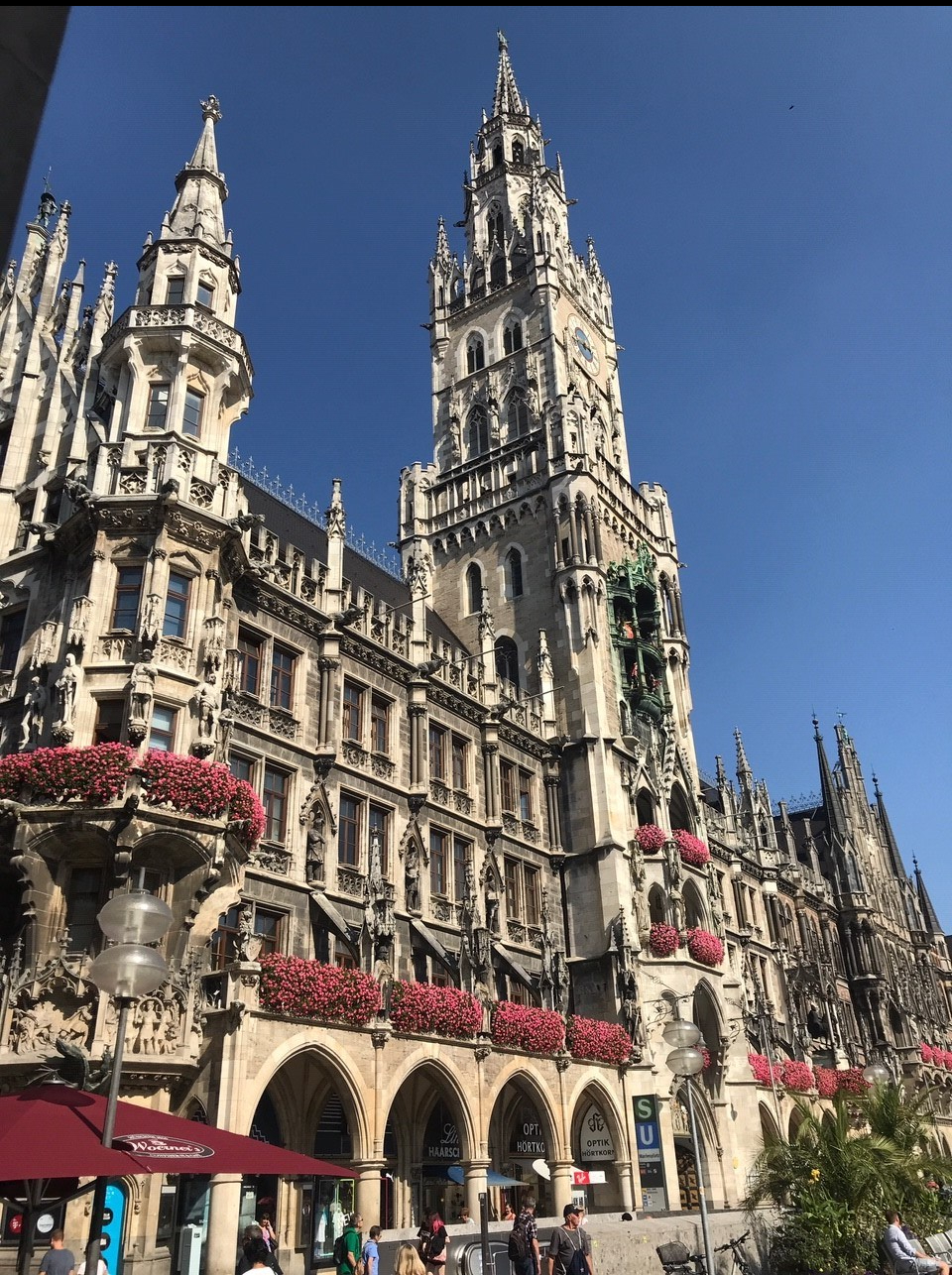
I have spent most of the start to autumn zipping across Europe and making short visits to China. The short journeys across Europe included an unscheduled stop in Munich for 8 hours after missing a connection on the way to Kyiv, after a delayed flight from Heathrow. I spent the 8 hours undertaking my first ever trip into Munich. Munich is one of the cities I regularly transfer through but have never actually visited the city. So it was nice to have a quick walk around and kill some of the delay.

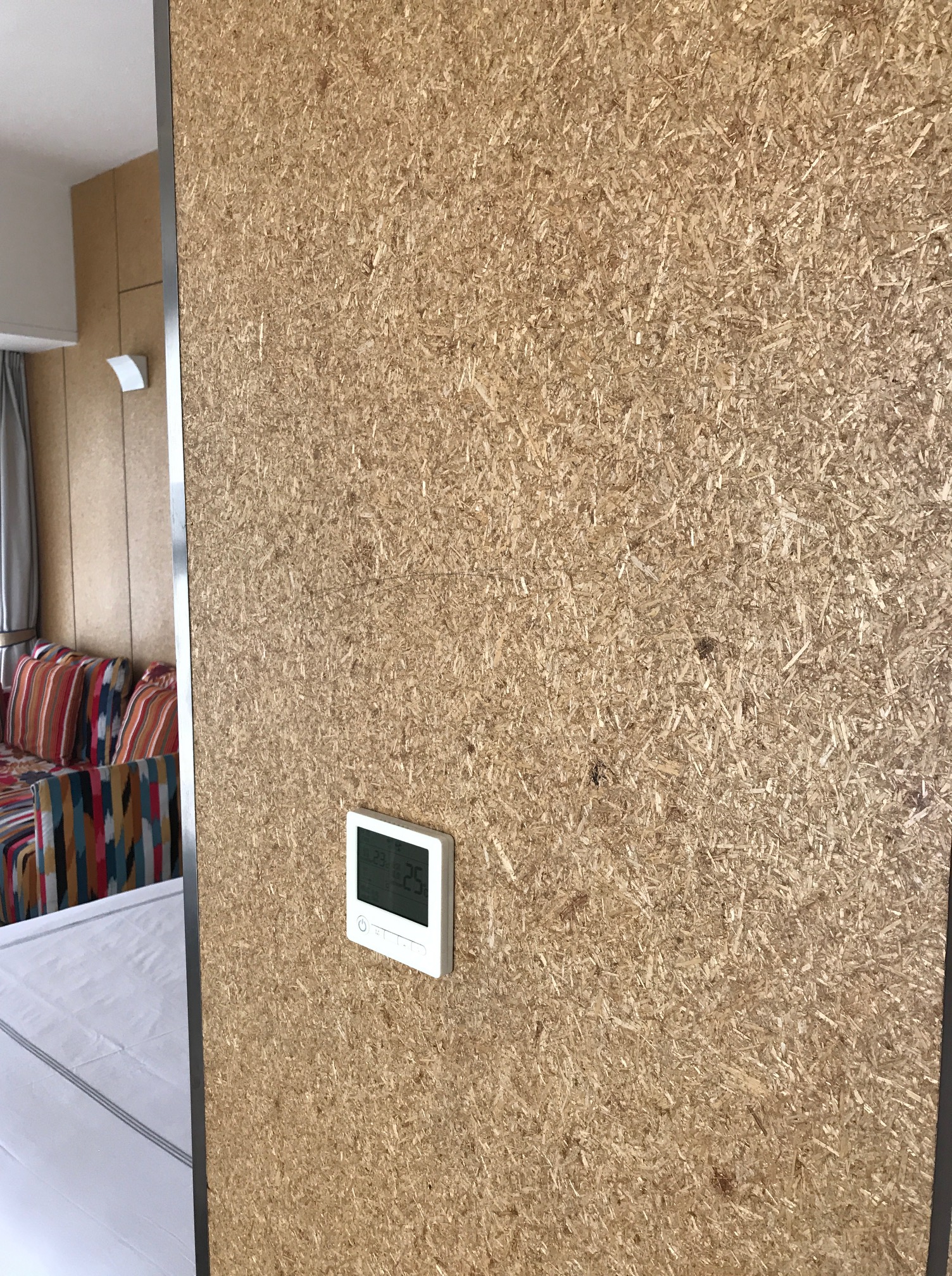
I also made a couple of visits to China, including my shortest trip yet. I undertook a two evening and one day trip to Chengdu to visit Chengdu Polytechnic. Flying from Kiev to Chengdu involves two connections, which meant the flights there and back were longer than the time on the ground. The visit supported the continued development and embedding of their entrepreneurship and enterprise curriculum. When visiting Chengdu Polytechnic I stay in the same ‘boutique’ hotel, which has numerous individual room themes. Each time I have stayed in the same corner room, which is one of the biggest in the hotel and has lovely full glass windows on two sides of the room, but it has the feel of not being fully finished, as it has chipboard walls. Whilst maybe not as trendy as the other rooms in the hotel, other rooms look more polished.

Two weeks later I was back in Beijing to visit Changying Vocational School for a couple of days. Working with vocational schools is always fun, as their students work well with practical hands on activities. It was also interesting to spend some time in West Chaoyang. Having previously lived in Chaoyang next to the third ring road, I was largely blinded to the further West districts.

Finally, there was visit to Bielefeld for the final session of DBA teaching for the second cohort of students. It is always nice to complete the teaching and sent the cohort on their way to develop their research and complete their thesis.

Vocational School Curriculum Development

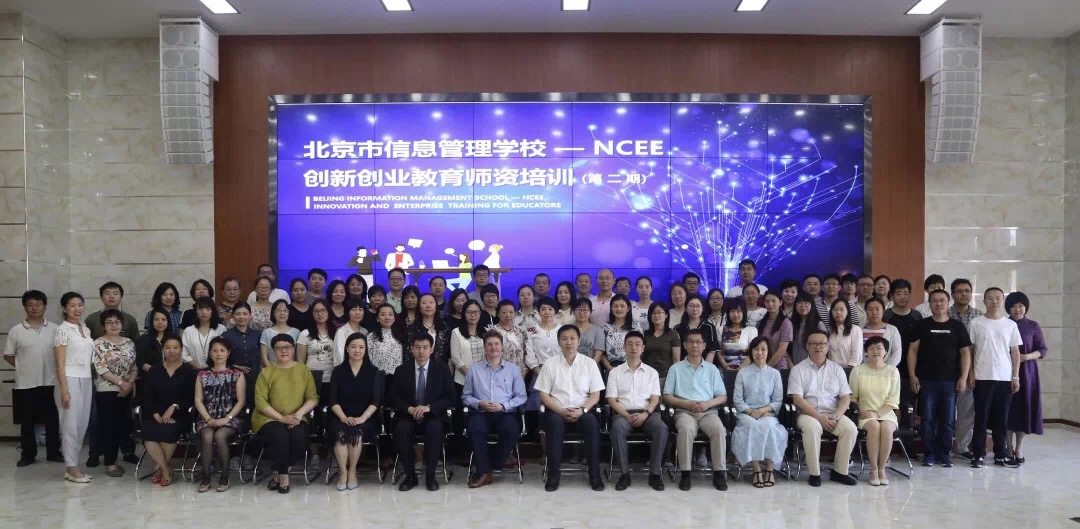
This weekend I travelled from Washington to Beijing to deliver a teacher training workshop on enterprise curriculum development at Beijing Information Management School, a vocational high school. This was only the second time for me working with a Chinese school, as opposed to further or higher education institutions. So this brought about its own challenges, as the curriculum’s are more standardized and fixed. During the workshop a range of enterprise activities were undertaken by participants and applied and slotted into curriculum’s as wide ranging as cooking, music and sport.

Whilst in Beijing I found time to hunt down the new Jing-A Brew Pub after the Jing-A Taproom closed in April. The Brew Pub has a very different feel to the Tap Room as it is long and thin and has numerous rooms and bars. It is not as open and fresh as the Tap Room and feels more like other local bars, which was a little disappointing. However, the beer and food was still good, although with a different food menu (I hate change). I am not looking forward to the 14 hour flight and 12 hour time difference on the way back, but I have a short break to the Finger Lakes and Niagara Falls to look forward to once back.

Innovation and Entrepreneurship Education Alliance of Higher Vocational Colleges Workshop

At the start of the week I had the opportunity to deliver an entrepreneurship education workshop at Nanjing Institute of Industry and Technology. The workshop was delivered to members of the Innovation and Entrepreneurship Education Alliance of Higher Vocational Colleges in China. It was attended by 60 educators representing 15 colleges, from 8 provinces. I always enjoy visiting Nanjing, particularly when going to the University Town district. It has modern campuses and is green and relaxed with good metro access to the city. The metro is rarely crowded compared to other major Chinese cities, so it is often possible to get a seat.

The workshop was rescheduled by a few days from its original dates and unfortunately on the new dates there was no direct flights from Frankfurt to Nanjing. This meant flying to Shanghai and then a subway journey on line 2 to get across the city from Shanghai Pudong to Hongqiao Railway Station and then a high speed train to get to Nanjing. The subway journey took just over 2 hours, whilst the train only took just over an hour and a half.

In my haste when packing, I picked up the wrong shoe bag from my wardrobe. So when opening my suitcase in Nanjing I was greeted by a pair of waterproof walking boots, rather than my brogues.  The workshop was delivered in trainers, which was marginally more appropriate than waterproof walking boots, given the 30 degree plus temperature.

Going to Nanjing provided the opportunity to meet up with colleagues I am currently collaborating on research with at 1912. Although, with a busy schedule the next day there was no opportunity to enjoy the well-known 1912 night life.

Market Street at Shandong University of Science & Technology

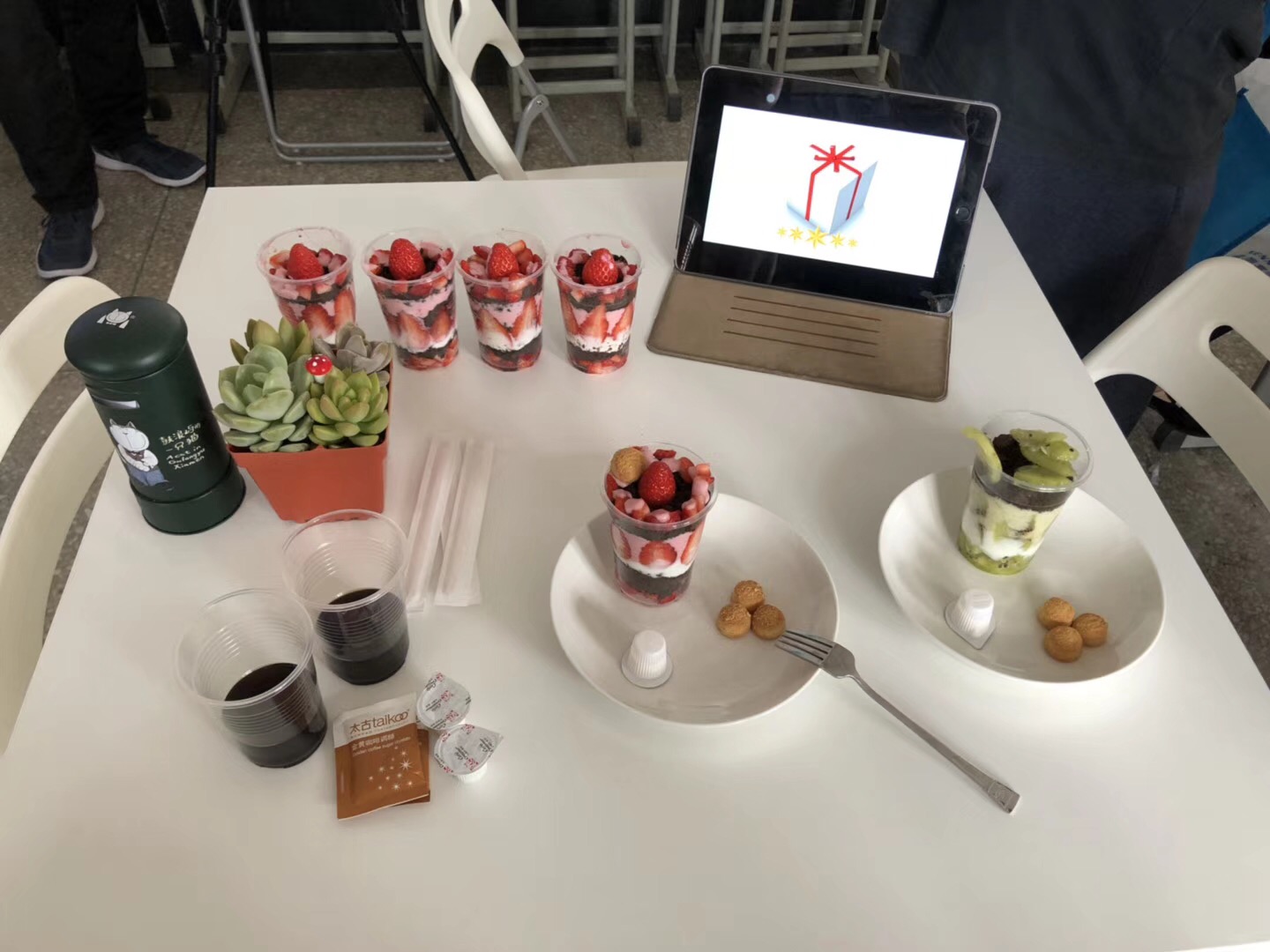
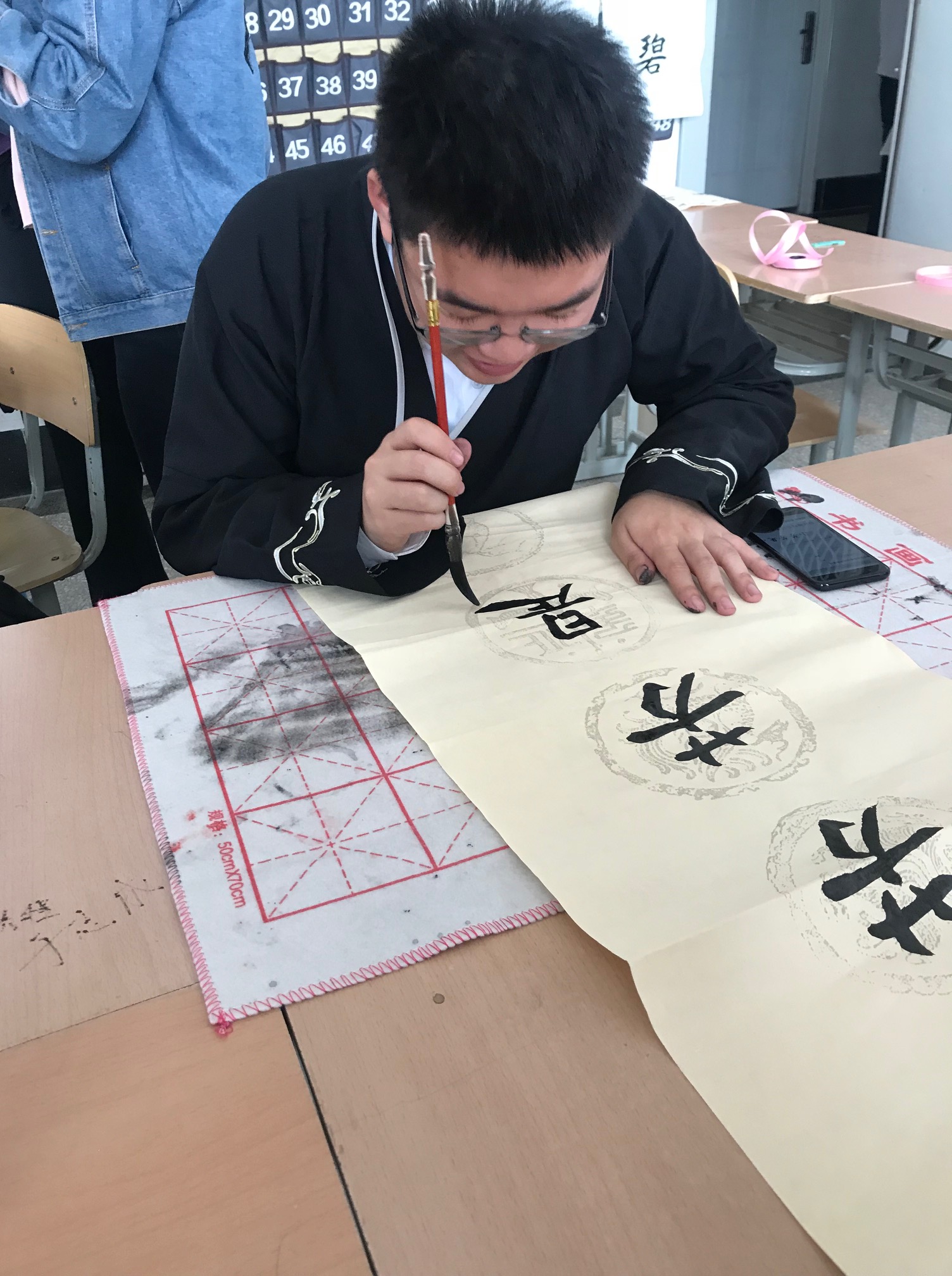
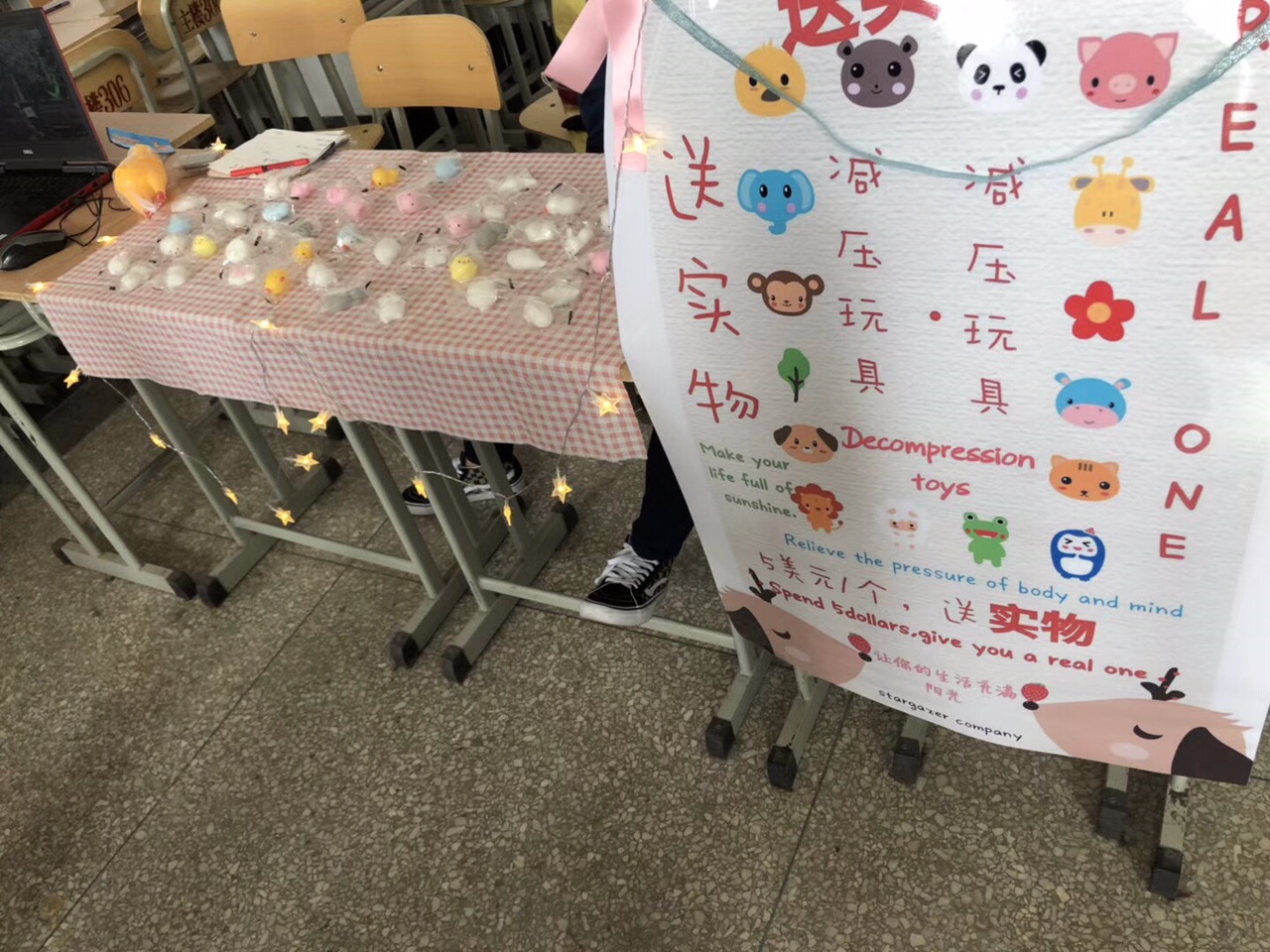
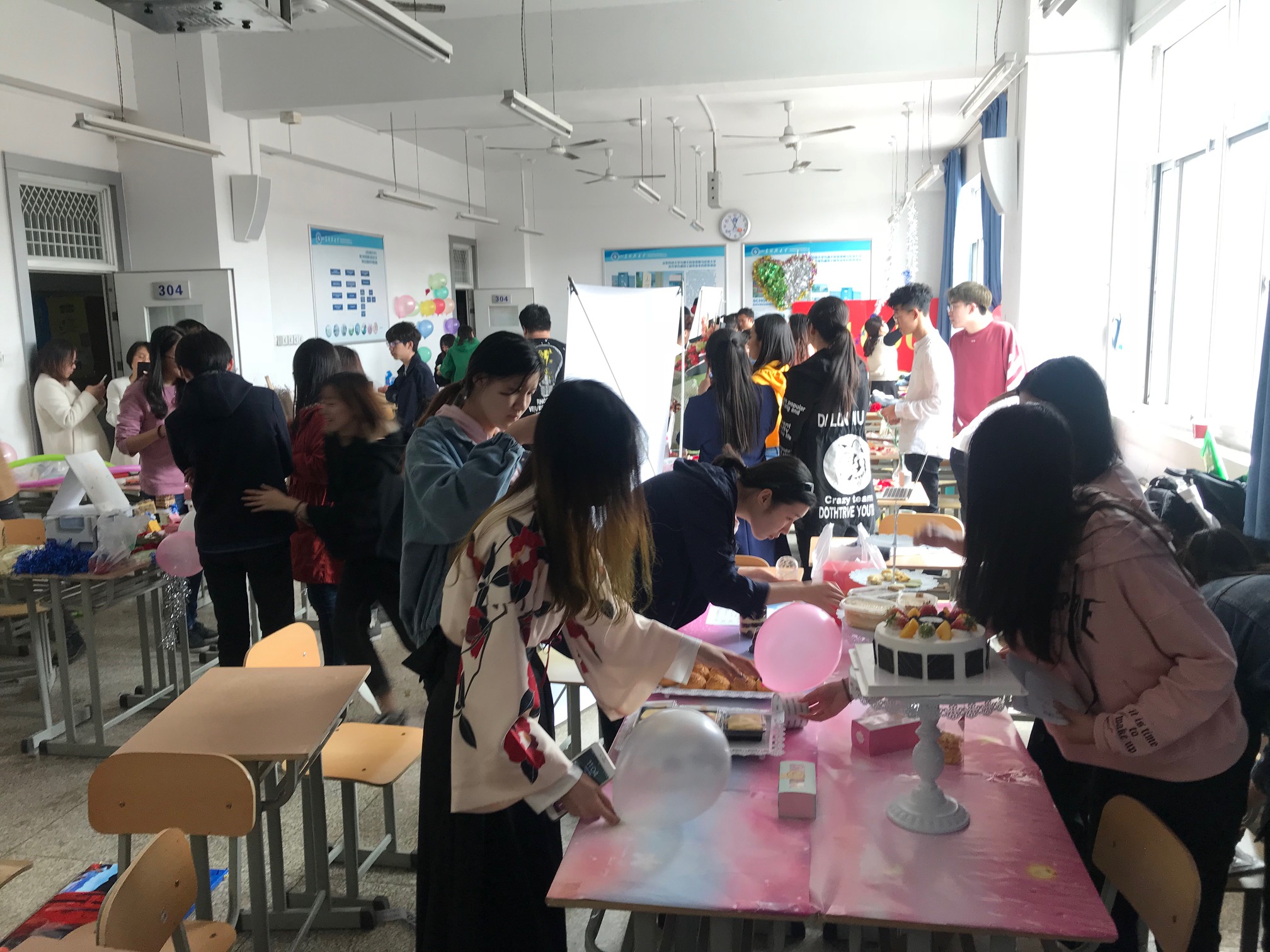
After two weeks of teaching marketing management at Shandong University of Science & Technology (SDUST), I had just about got used to using chalk, but more importantly, we were ready for the final assessment. The students had been tasked with developing a product and marketing it, applying the principles and theories taught in the class. A wide array of products had been picked by students, ranging from cakes to fish tanks and calligraphy to stress balls.

Once the stalls had been set up each student and member of faculty in attendance was given 25 Wu’s (the currency of Market Street) to spend as they wished. The amount of money each team made was factored into the final grade, along with each team’s marketing and discussion with local graders. The event lasted 2 hours and brought lots of buzz and excitement into the classroom. It was interesting to see lots of different pricing strategies employed by the teams.

Back to Jinan Older & Wiser

I am going to be teaching at Shandong University of Science & Technology (SDUST) for two weeks. The University of Worcester has a 2+2 degree with SDUST and one semester of the 2nd year in China is delivered by Worcester staff. I will be teaching Marketing Management with a colleague. But what I am looking forward to the most is returning to Jinan, as it was the first place I ever visited in China. In 2010 after landing in Shanghai I went to Jinan to visit colleagues. Despite living in China for 3 years and visiting Qingdao a couple of times (also in Shandong province), I have never been back to Jinan. So I am interested and excited to see how the city has changed over the last 8 years, and whether I can still remember it. Whilst the trip has not started well, with my flight from Hannover to Frankfurt cancelled and my colleague’s flight from Birmingham to Frankfurt cancelled and us now having to take separate routes, arriving in Beijing 7 hours apart, I am looking forward to the visit. I am sure both Jinan and I have changed over the last 8 years, so let’s see who has changed the most.

Jinan
Jinan