After going to Chernobyl and Pripyat for the first time in March I was keen to go again, as it is place with so much to see and take in. My parents visiting to see my wife and I and their new granddaughter, offered the perfect opportunity to visit the exclusion zone again. Whilst the Chernobyl plant itself is rather static and functional, particularly as there is so much ongoing work in the area attempting to deconstruct the reactor and securely storing the spent fuel, the surrounding villages and towns within the exclusion zone have so much to explore. These also have an eerie sense and presence, which you can take in whilst exploring. When visiting these villages and towns I get a feeling of exploring modern history in a way, which is not possible elsewhere. Whilst in Kyiv there are buildings from the Soviet era, many of which are still fantastic to see, they have been updated in a way the buildings in the exclusion zone have not been due the tragic events which unfurled nearby. On this visit I used the same company I had used previously, but we followed a significantly different path, which allowed us to see different things. This again highlighted how much there was to see. I think a large part of the route on the day depends on how confident the guide is and what their understanding is of the security patrolling on that day. Whilst it is forbidden to leave the path and enter buildings many of the guides will still presently suggest some off-path detours, which let you explore further into the exclusion zone.
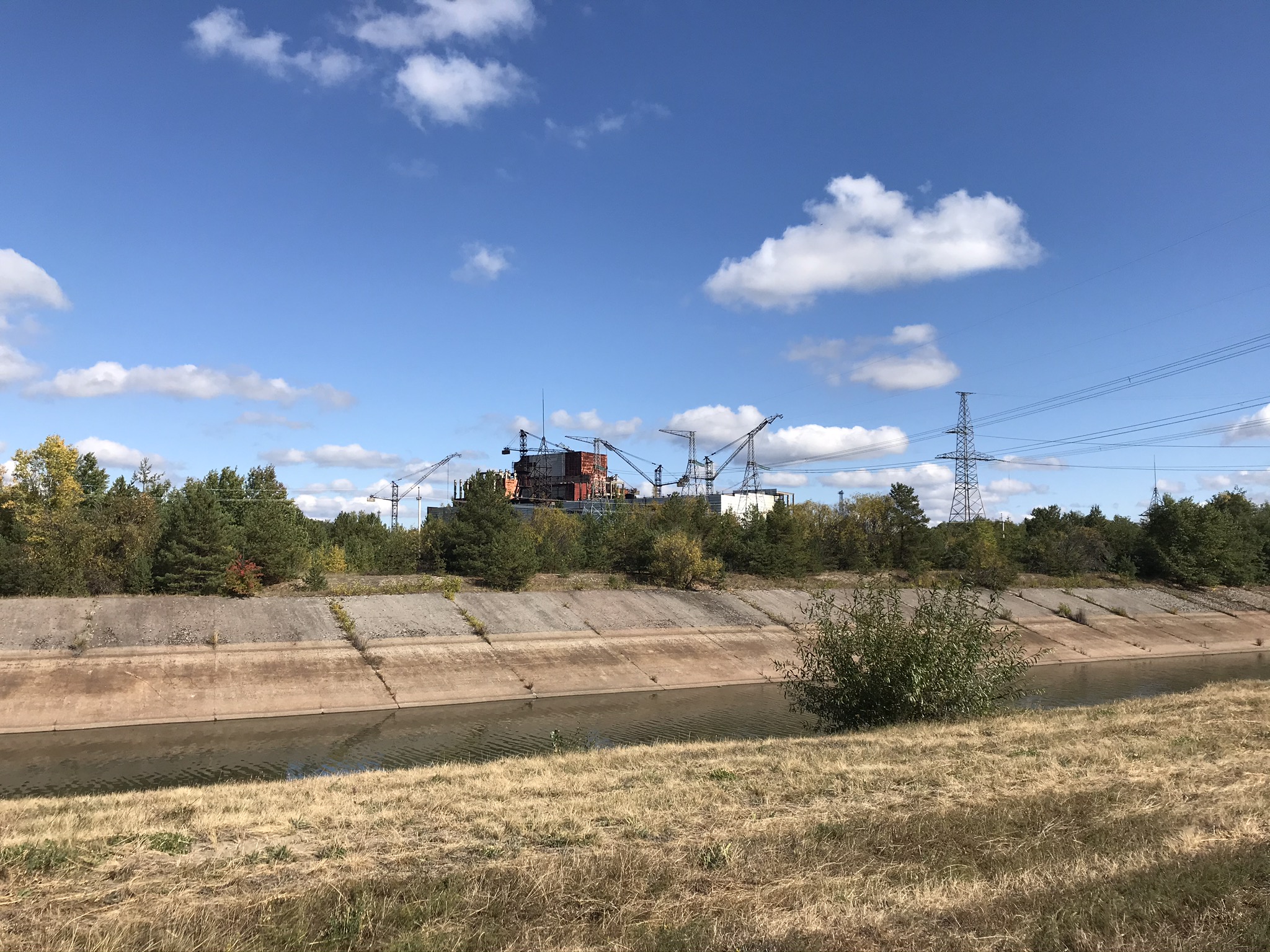
We started by venturing into the village of Chernobyl and saw a statue of Lenin, one of only two statues of Lenin in Ukraine after 1,320 Lenin monuments were dismantled during decommunization, both of the remaining two statues are in the Chernobyl exclusion zone. We also walked through several streets which had houses overgrown by trees and foliage and saw the church, which is still in operation today. After this we headed to the reactor site, passing those reactors which were still being built at the time of the Chernobyl disaster. It is interesting to see the changes which were already underway with the different designs of reactors five and six, which sit some way from the reactors one through four, which are adjacent to each other. It is eerie to see such big constructions sitting half built, knowing they have been this way for the last 30 years. Seeing this and knowing that reactor three, which sat next to reactor four, which suffered the reactor core explosions kept generating power until 2000 puts the area and need for power into perspective.

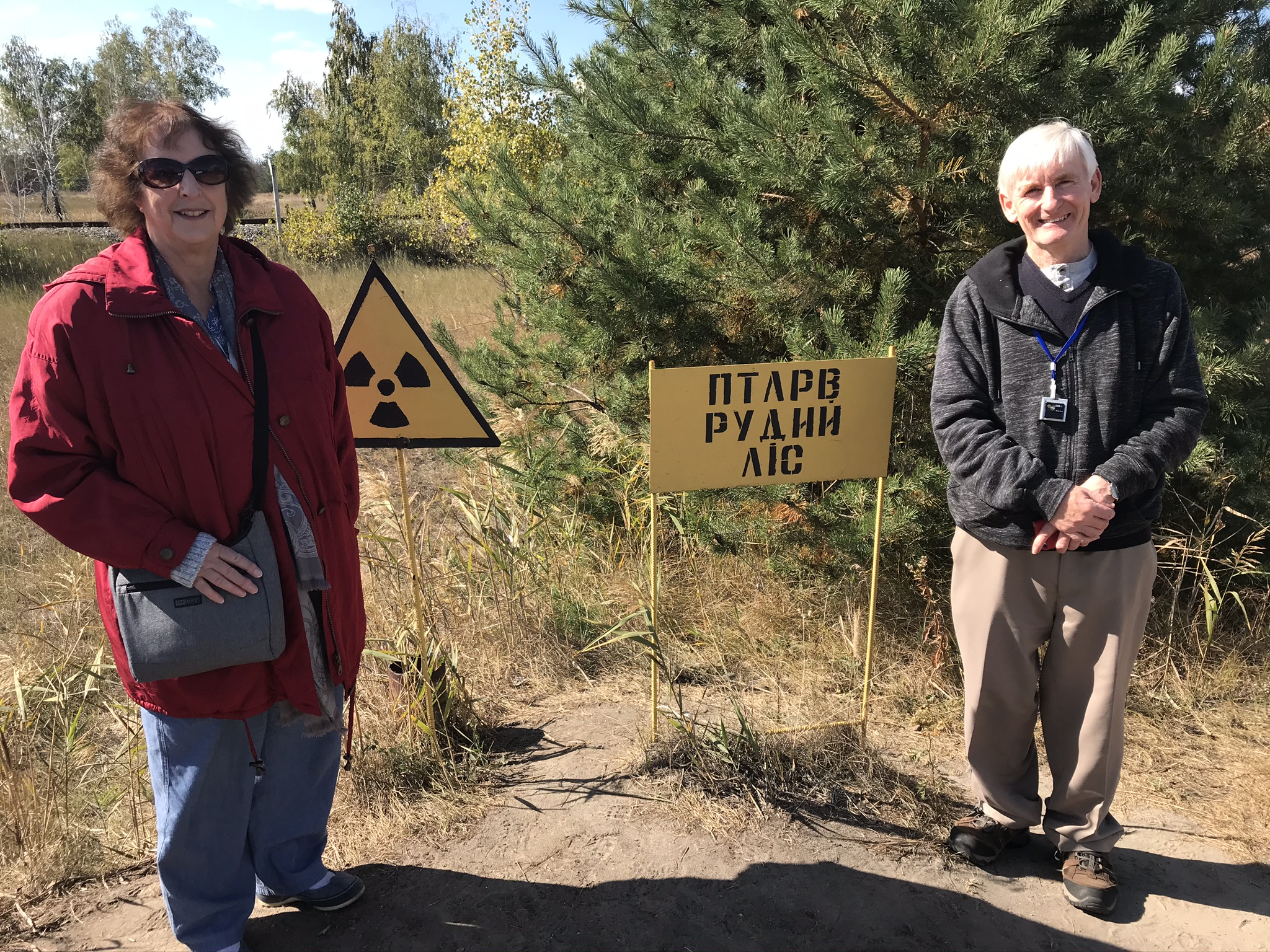
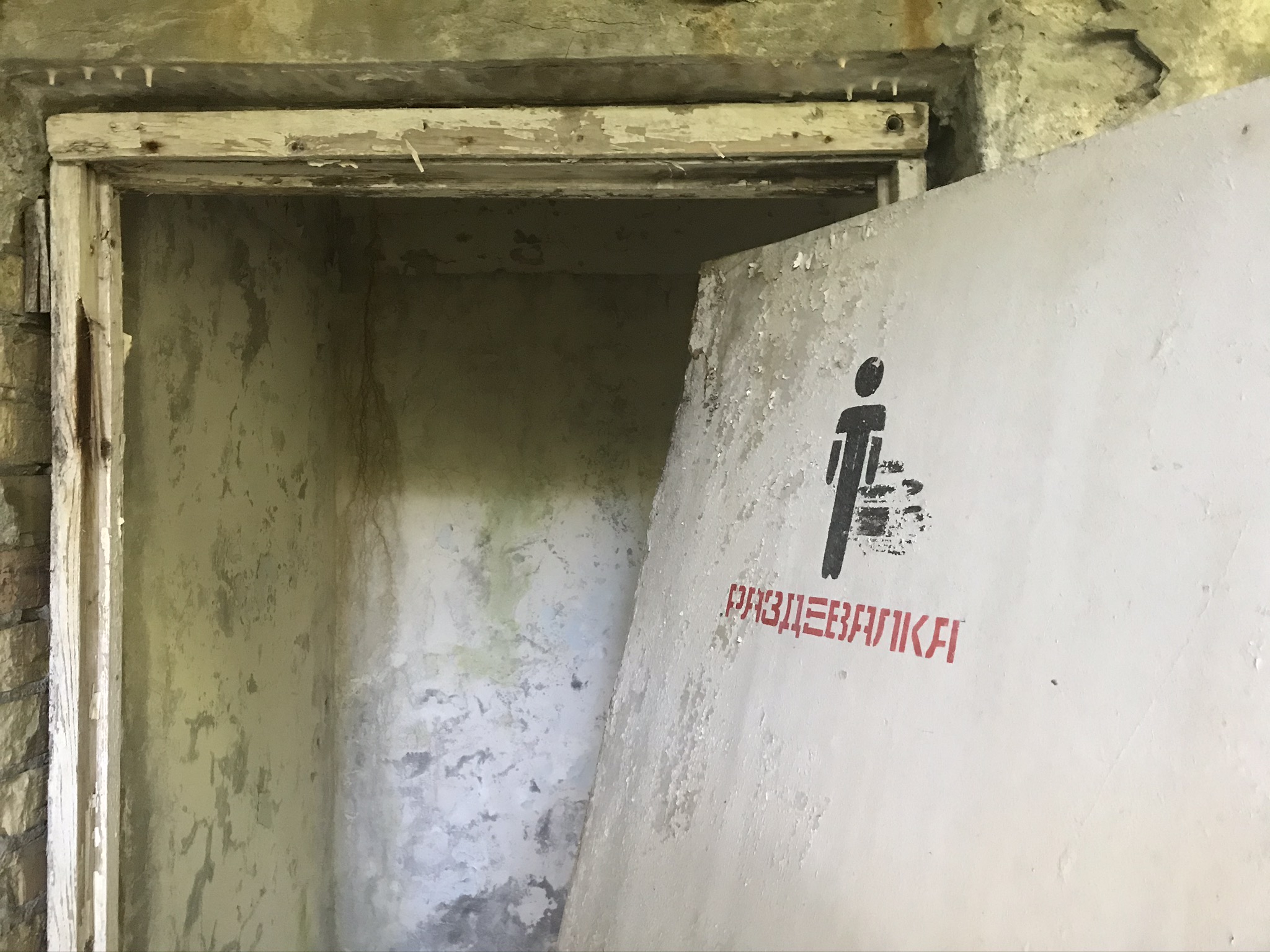
After visiting the powerplants we visited Pripyat, which is an amazing place to explore. As part of this trip we did not visit as many buildings as the previous trip. But I enjoyed strolling through the town and seeing the buildings and propaganda. It is interesting to see the Soviet posters and images which are still strewn around the planned model Soviet city and how life and the city was presented. After visiting Pripyat, we headed to the secret Chernobyl 2 military base, which was hidden within the now irradiated forest. During the Cold War the military base was highlighted as a children’s summer camp on maps. The main feature of the military base is the gigantic Duga 3 transmitter and receiver, which sent out and received a woodpecker noise, searching for incoming missiles as part of the Soviet anti-missile defences. As part of this trip we also explored the buildings at the base, which allowed us to see an original model of the military base. Exploring the Chernobyl exclusion zone is definitely one of the many highlights of living in Ukraine.



 Robin Bell