Despite Chernobyl and Ukrainian energy being a regular topic of debate in our household I was yet to visit the Chernobyl Exclusion Zone after 8 months of living in Kyiv. Although, that was set to change as I had a friend visiting from the UK, so it was a good opportunity to undertake some of the more touristic activities, which daily life limits. We visited the Chernobyl exclusion zone and within it Chernobyl itself, Pripyat and a secret Soviet base which housed a ginormous Anti-Missile radar.
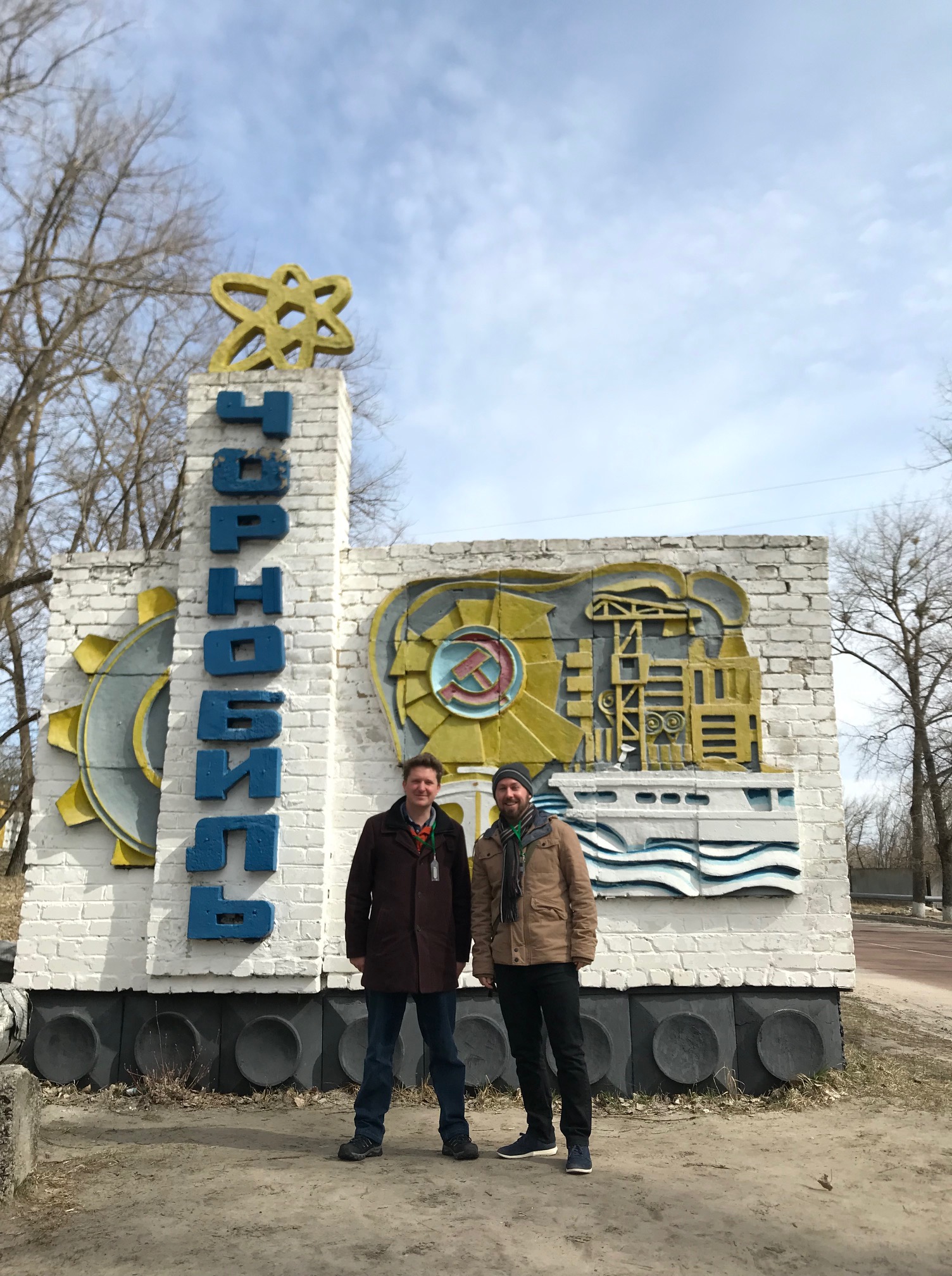
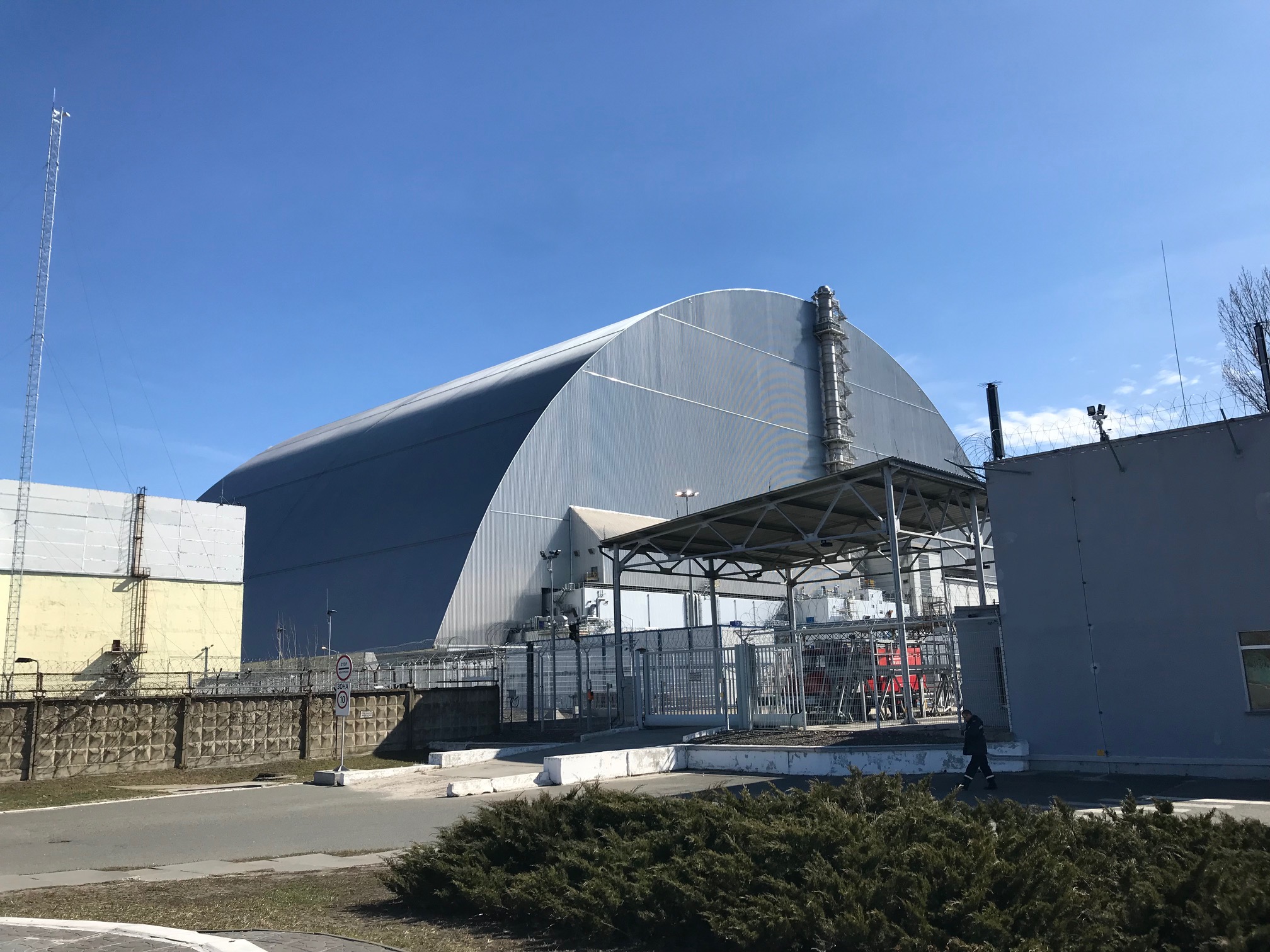
The visit to the exclusion zone started with a visit to the small town of Chernobyl, after which the nuclear power station got its name from, before a visit to reactor 4 to view the new casing. Whilst, the view of the casing itself is not too impressive, it’s amazing to think that the reactor only the other side of the wall, reactor 3 was still active and generating power until 2000.

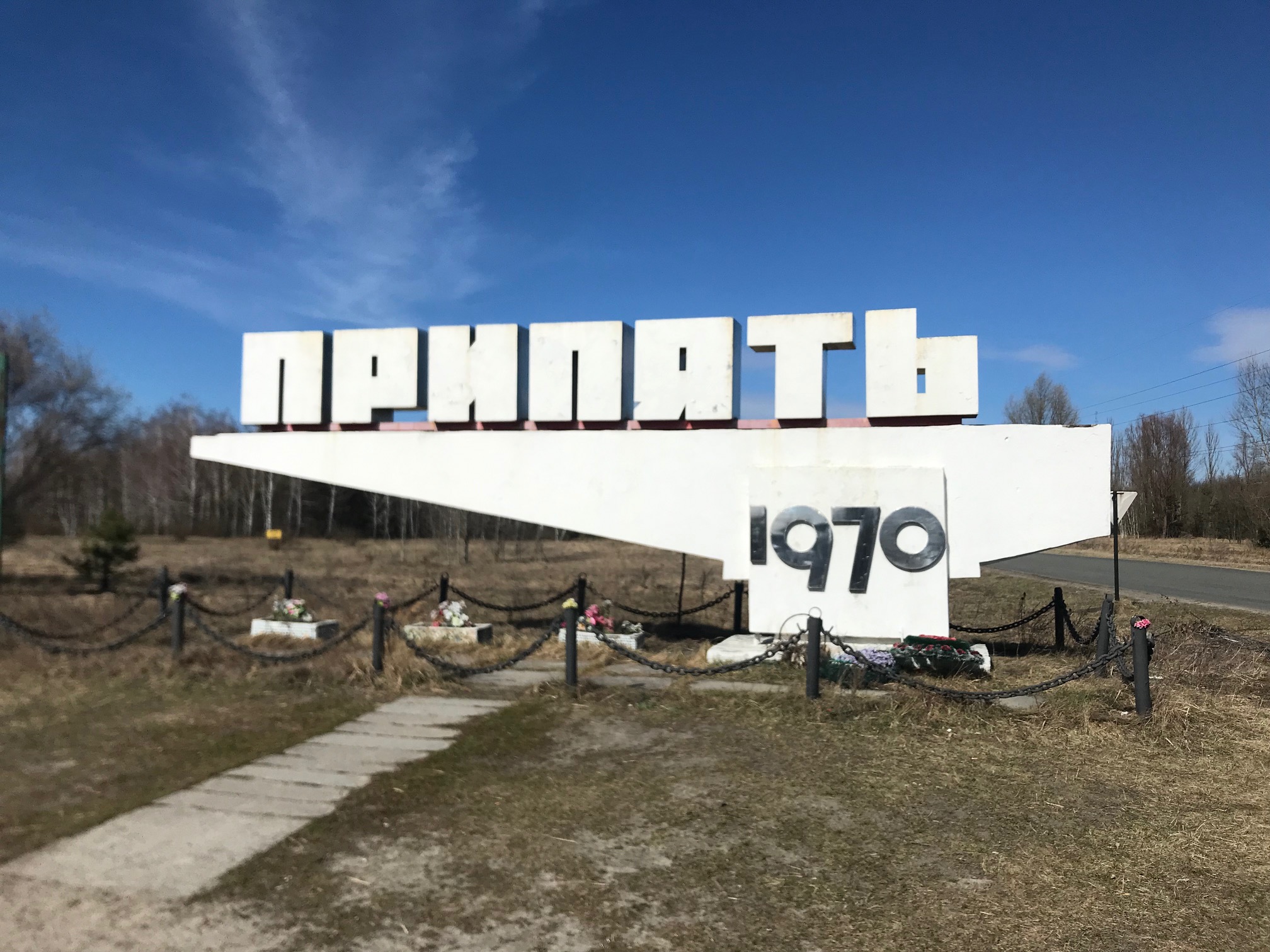
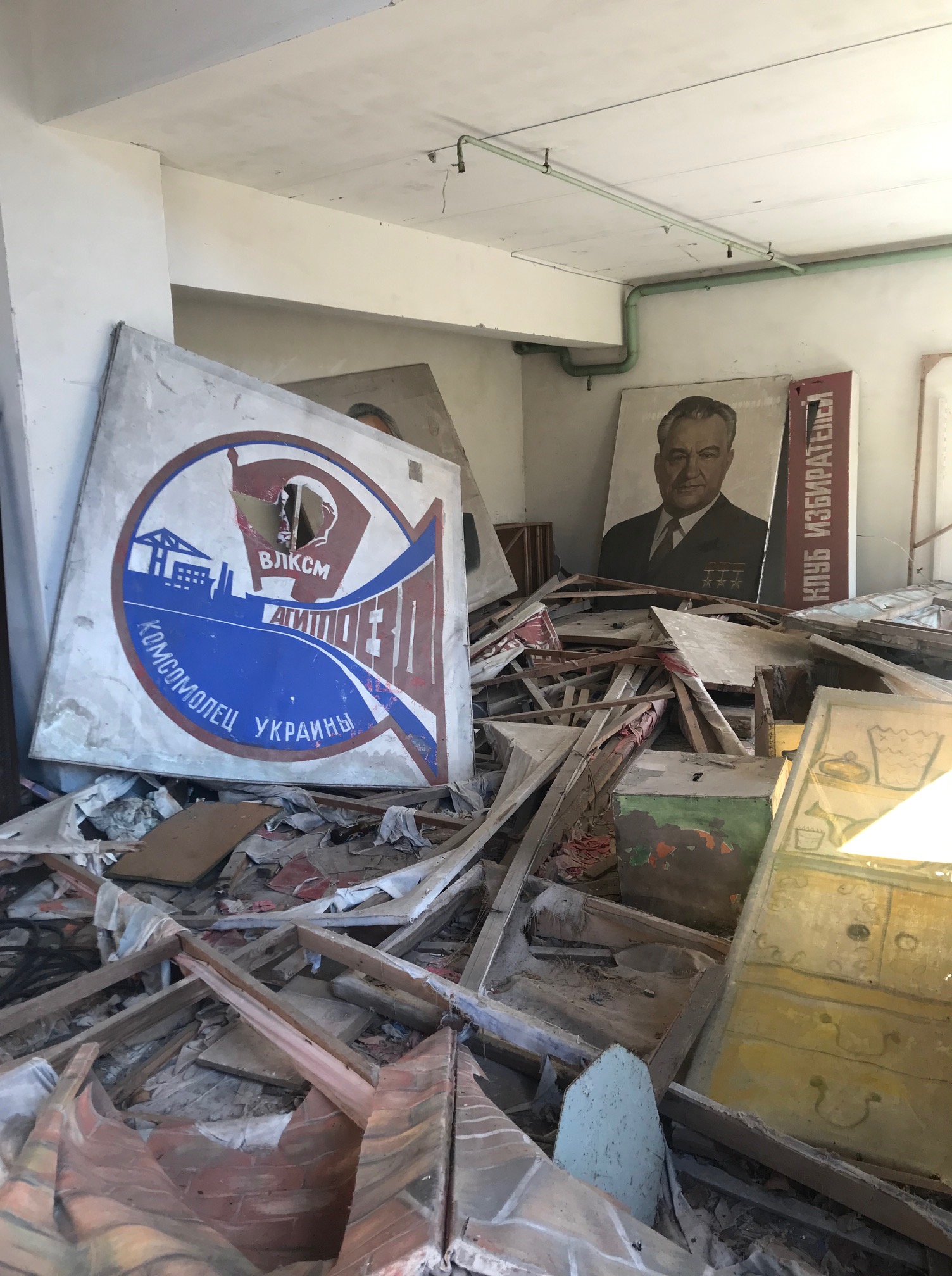
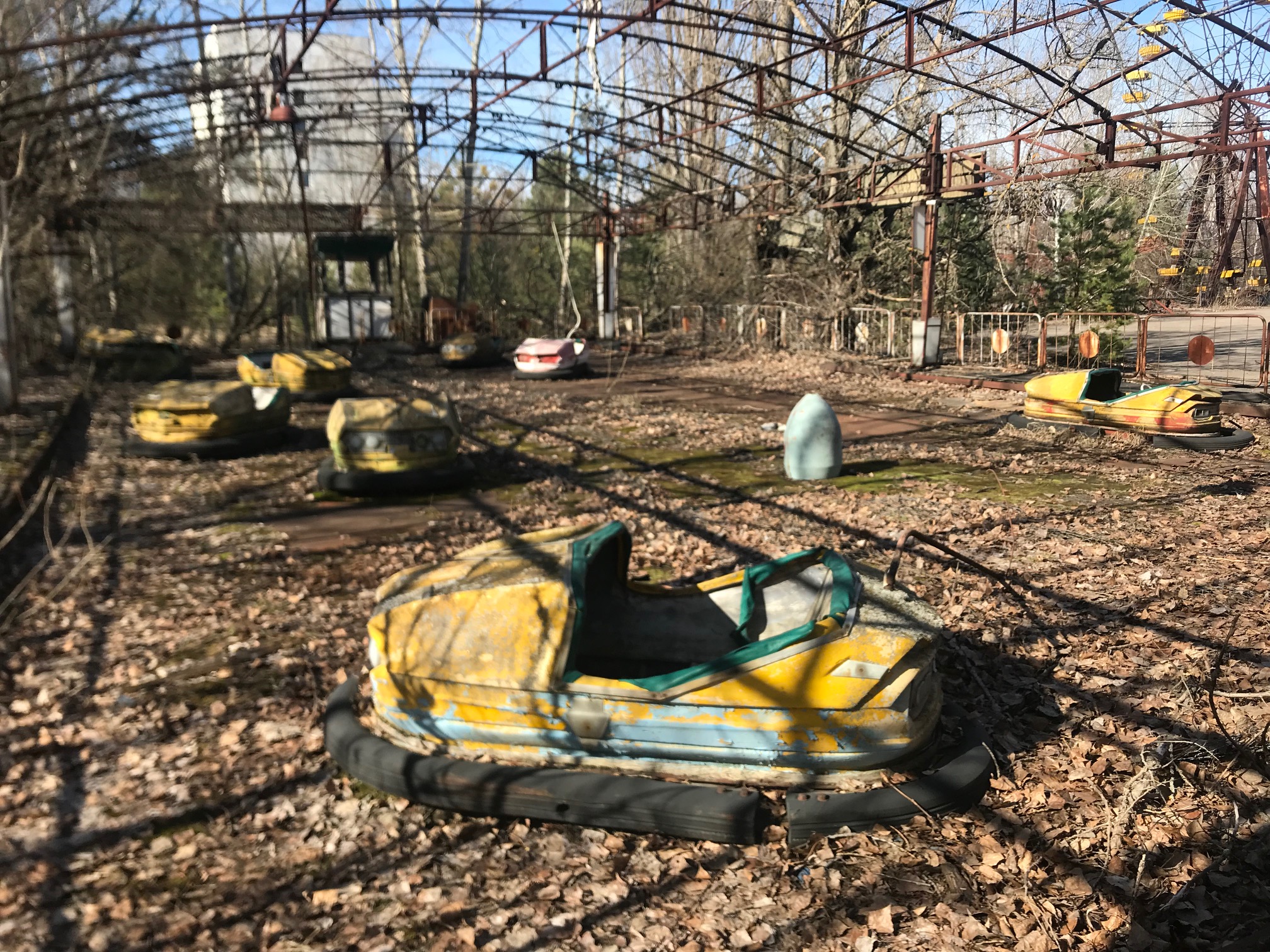
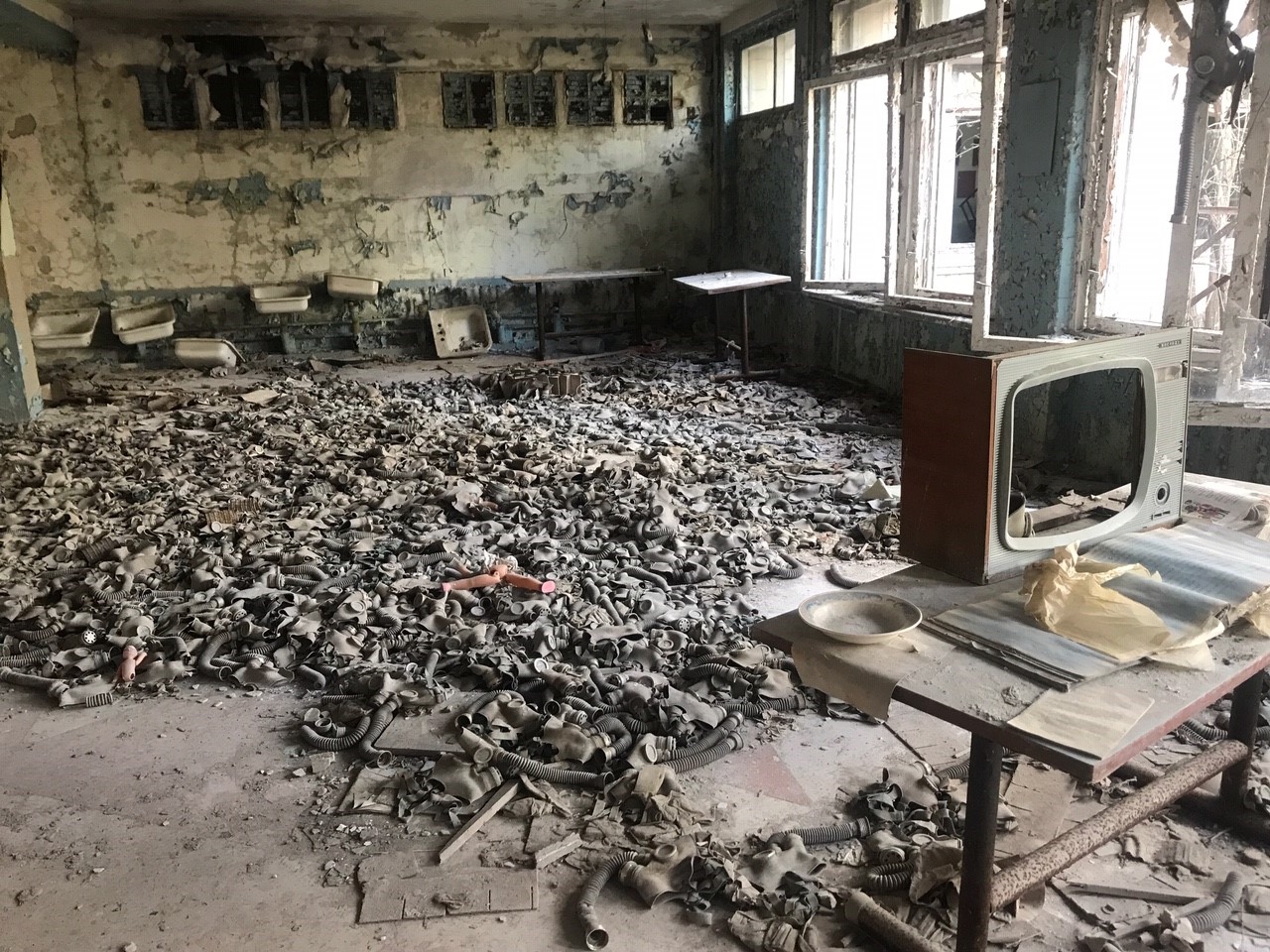
After visiting the power plant we visited Pripyat, which was definitely a highlight for me. The ability to walk around the model soviet city, which was now a ghost city was an amazing experience. With my friend having played the STALKER shadow of Chernobyl series of games, he enjoyed walking through the city exploring many of the buildings which appear in the games. Many of which and the general landscape around the exclusion zone, he described as surprising accurate. Whilst, walking through the city it was eerie to think about the residents, who were given only hours to evacuate and told they would return in only a matter of days, but who never returned to live there again. The desperation of the liquidators, who were given the task of cleaning the costly model city after the disaster with the goal of allowing the residents to move back, highlights how little was known about the disaster and its effects at the time. The liquidators went through the city clearing the apartments of radioactive items and then burying the items in trenches, cleaning the buildings and removing the topsoil. Some areas of city are still highly radioactive including the hospital where those around the reactor were treated after the disaster and the graveyard where the liquidators were unable to remove the required depth of radioactive top soil. During our walk around Pripyat we saw numerous sights and visited the Supermarket, Palace of Culture, Fairground, Middle School #3, the Azure Swimming Pool in the Leisure Centre and the Police and Fire Station. Viewing these buildings was like going back in time and showed the slow decay of a city left to nature.



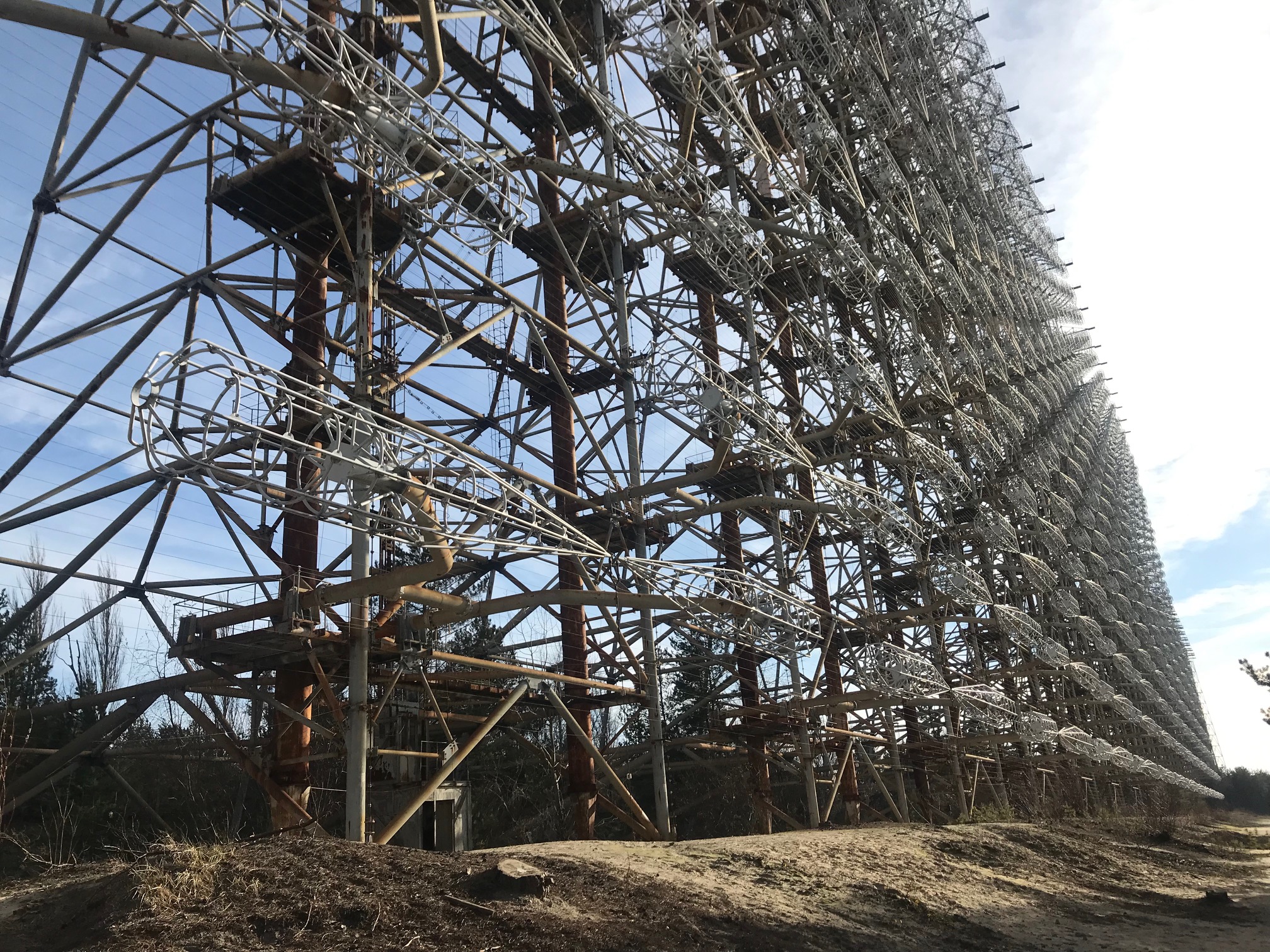
Before returning to Kyiv we visited an abandoned Soviet military base which housed a Duga anti-missile radar. The radar was responsible for the Russian Woodpecker noise and is the only one still remaining, as the two others which were located in Russia have been removed. The radar is massive in scale, standing at 150 metres tall and nearly as far as the eye can see long. The area around the radar is like a beach, as the army sandblasted the radar after the Chernobyl disaster to clean it. The radar was launched in 1976 and decommissioned in 1989 as it was not as successful as hoped due to natural fluctuations in the atmosphere, but it has been left there untouched as it is in the exclusion zone.


 Robin Bell
One thought on “The Chernobyl Exclusion Zone”
Comments are closed.