Each semester as part of the study program at the International Business School at BFSU there is an immersion week, which is essentially a field trip where students work on live case studies and develop a reflective log. This semester there was three different locations, and I had the option to choose which one I wanted to attend (a choice I received but students did not). The choice was between staying in Beijing, going to Foshan in Guangdong or Pinyao in Shanxi province. During a couple of previous immersion weeks I had stayed in Beijing and visited some fascinating local businesses. But with no major reason to stay in Beijing and the desire for some different scenery I decided on visiting Pingyao. It is a historic UNESCO heritage city that I have wanted to visit but have never had time. It is often referred to as the Chinese Wall Street from the previous century, due to being a trading location and the location of the first private financial institutions in China for deposits, loans and exchange. So it has lots of history and historic buildings to explore. The student task for the trip was to develop a new innovative tourism business concept. So included in the trip are numerous tourist activities including visiting the ancient city and temples, Rishengchang (China Museum of Exchange Shop), Zhangbi Ancient Fortress and the Qiao family residence.

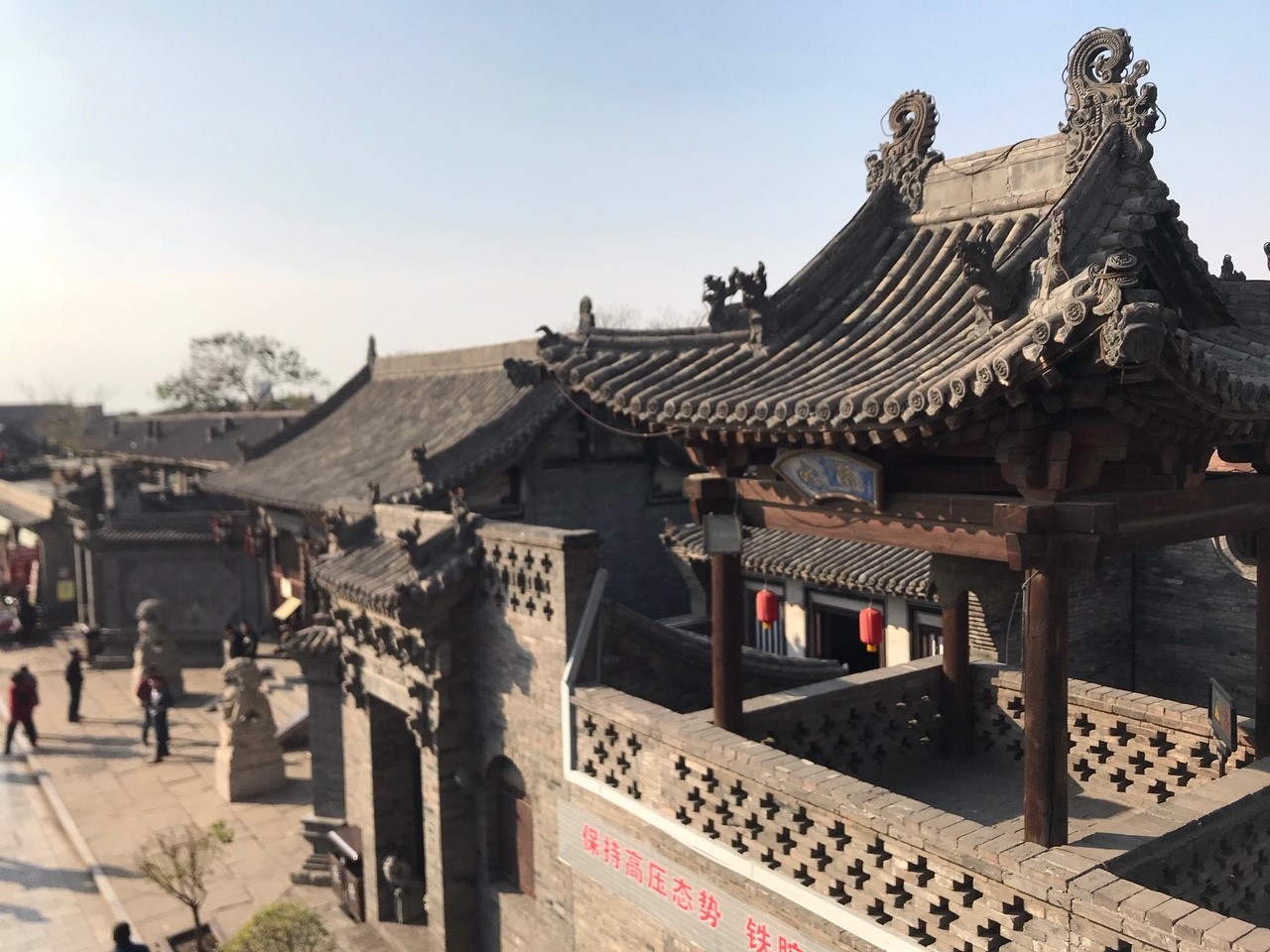
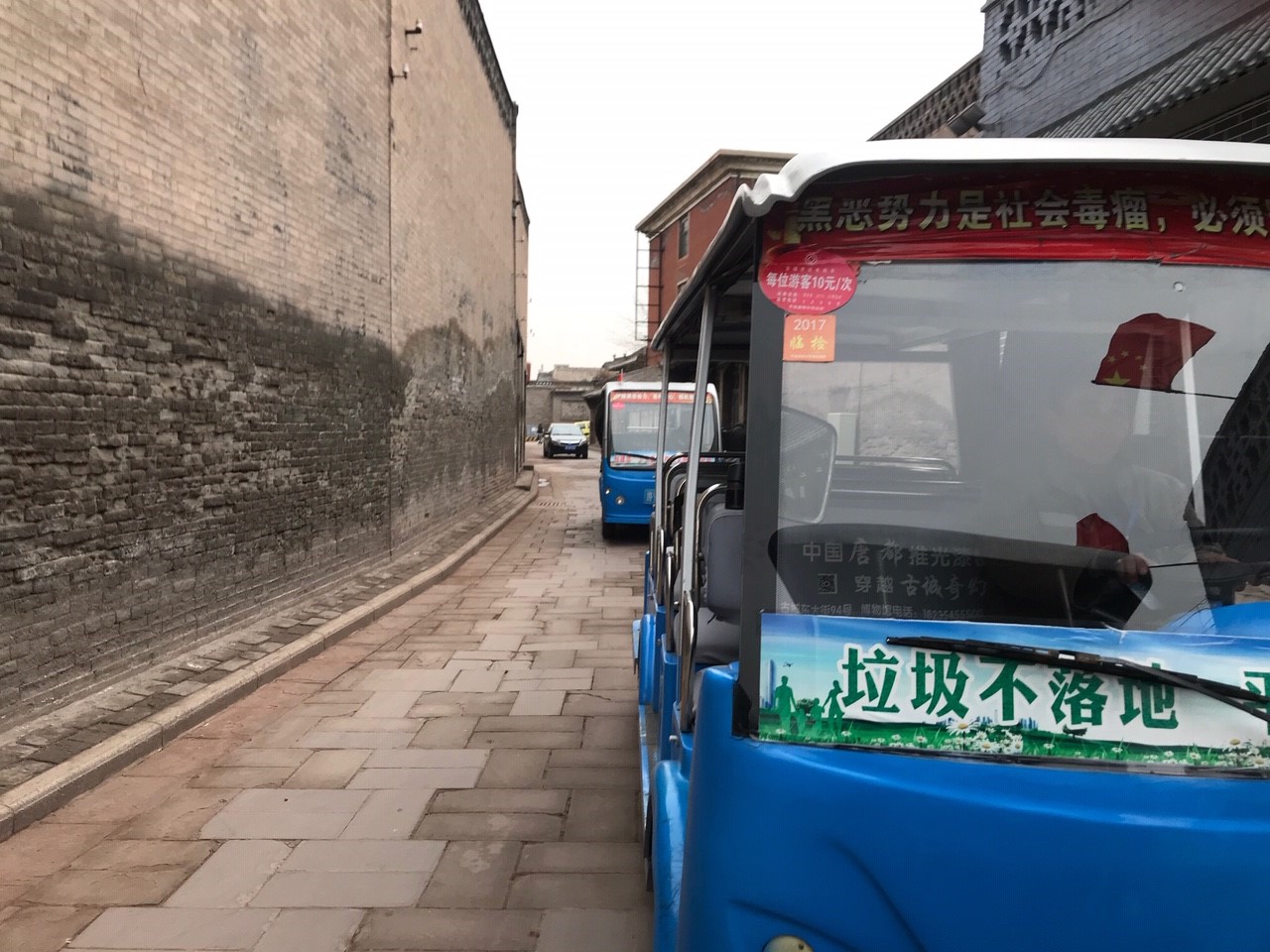
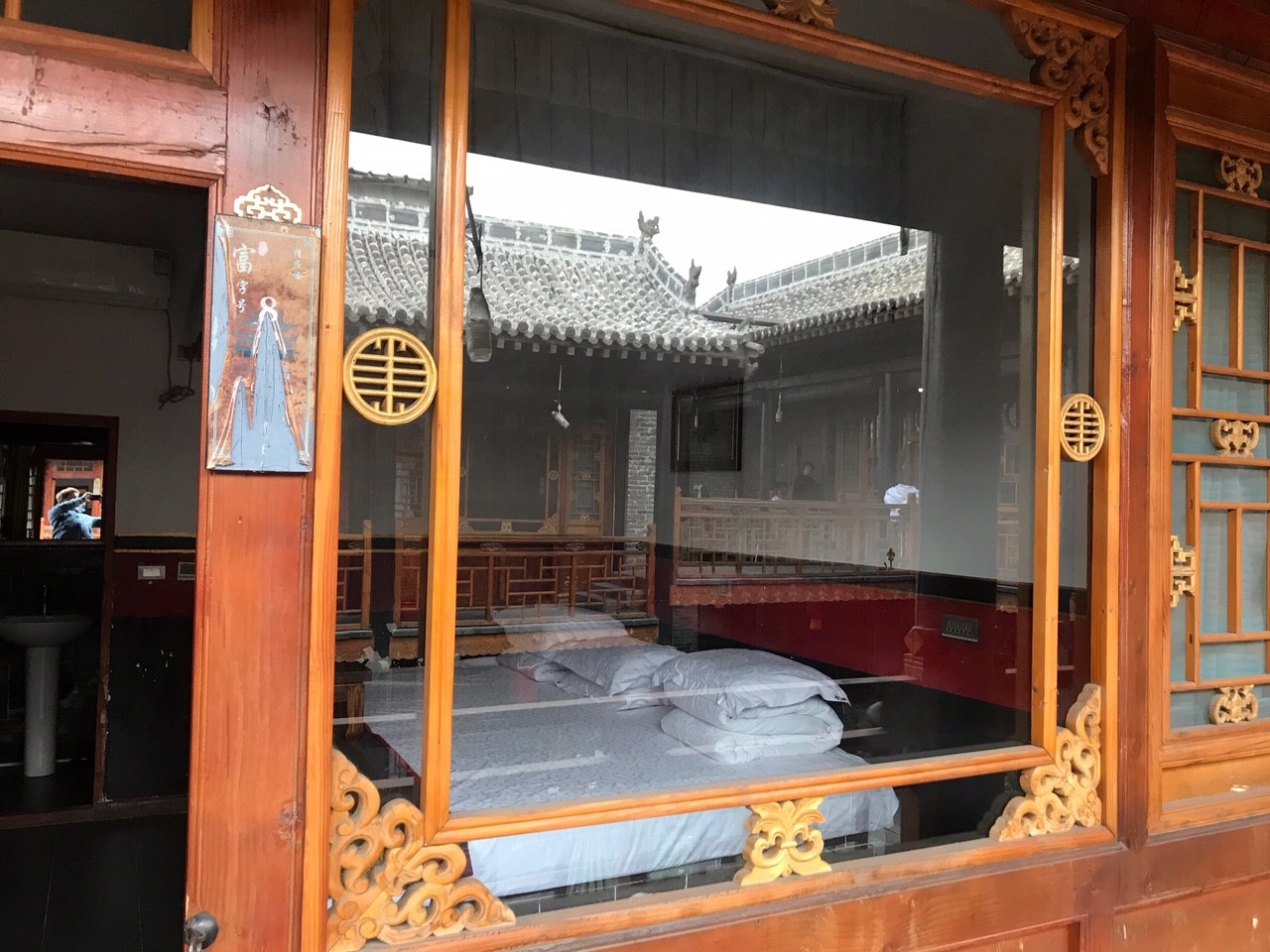
The start of immersion week involved me delivering a session on innovation and value propositions to the 200 students involved in all the immersion week activities. The Beijing, Forshan and Pingyao activities were all focused on innovation and enterprise, so this laid the foundation for the tasks the students would complete during the week. After completing the 4 and a quarter hour high-speed train journey from Beijing, we had the first opportunity to see the ancient city of Pingyao from the electric buggies which drive around the city. Due to the nature of the city and its narrow old streets, cars are not allowed in the city. Which means the city is frequented by electric buggies, which zoom around, following a kind of informal set of driving laws. This does give the feeling that you are involved in a type of Mario Cart game, complete with last minute breaking and overtaking. The hotel was a quaint hotel, set around a nice courtyard, although, it did get very cold in the night. It was also cold in the day and I found myself wearing two jumpers and a coat each day, which was my entire clothes supply for the week.
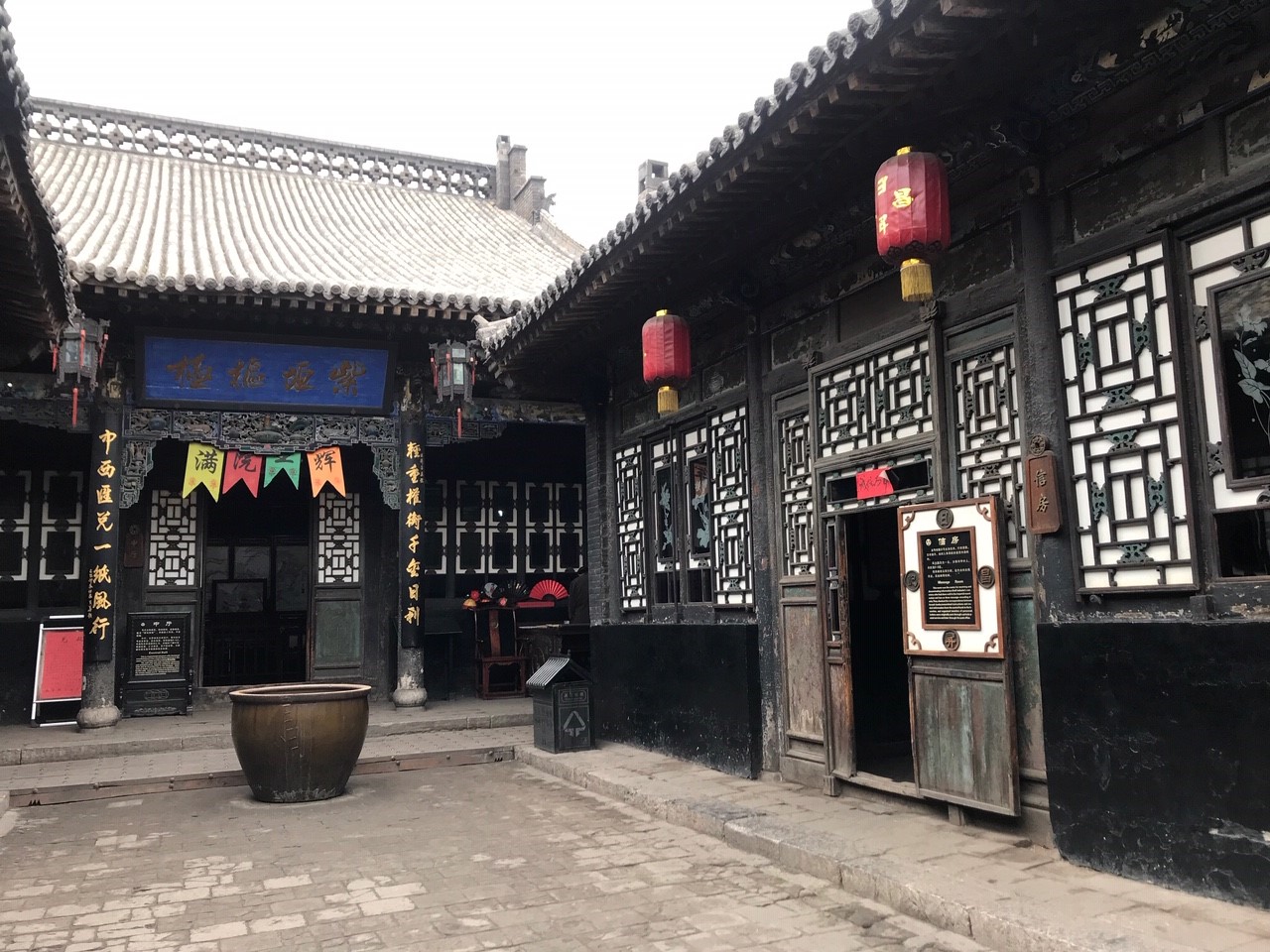
The highlight of the trip for me was visiting the Rishengchang and two old banks and hearing how they created an ecosystem, which helped the city thrive in its heyday. The banks allowed not only deposits, but supported the exchange of the various different currencies used in China at that time. This meant that the city was a great place to do national business, across all the different regions of China. We also visited several of the support services which existed and developed to support the ecosystem, including security escort services to support trade and the court system. The visit highlighted that even hundreds of years ago, a strong and supportive ecosystem was required to support urban and business development. From a tourist perspective the city is a great place to visit, particularly during this time of year, if you are prepared for the cold, as the number of tourists is limited. There is not that much infrastructure for foreign tourists as the vast majority of visitors are domestic tourists. This made findings a cup of coffee in the morning quite tricky, plus one lunch time a visit to McDonald’s was necessary to take a break from the same pattern of food. But the city and some of the surrounding sites are definitely worth a visit.


 Robin Bell